- Introduction — The Beauty of Black and White from the Warring States
- The History and Origins of Matsumoto Castle
- Notable Figures Connected to Matsumoto Castle
- Architectural Features — The Fusion of Beauty and Function
- Highlights and Photo Spots
- Matsumoto Castle Through the Four Seasons — Beauty in Harmony with Nature
- Recommended Sightseeing Itineraries
- Access and Basic Information
- Visitor Reviews
- What Matsumoto Castle Tells Us — A Timeless Aesthetic
Introduction — The Beauty of Black and White from the Warring States
Rising proudly in the heart of Matsumoto City, Nagano Prefecture, Matsumoto Castle is one of the finest surviving castles in Japan from the Warring States period.
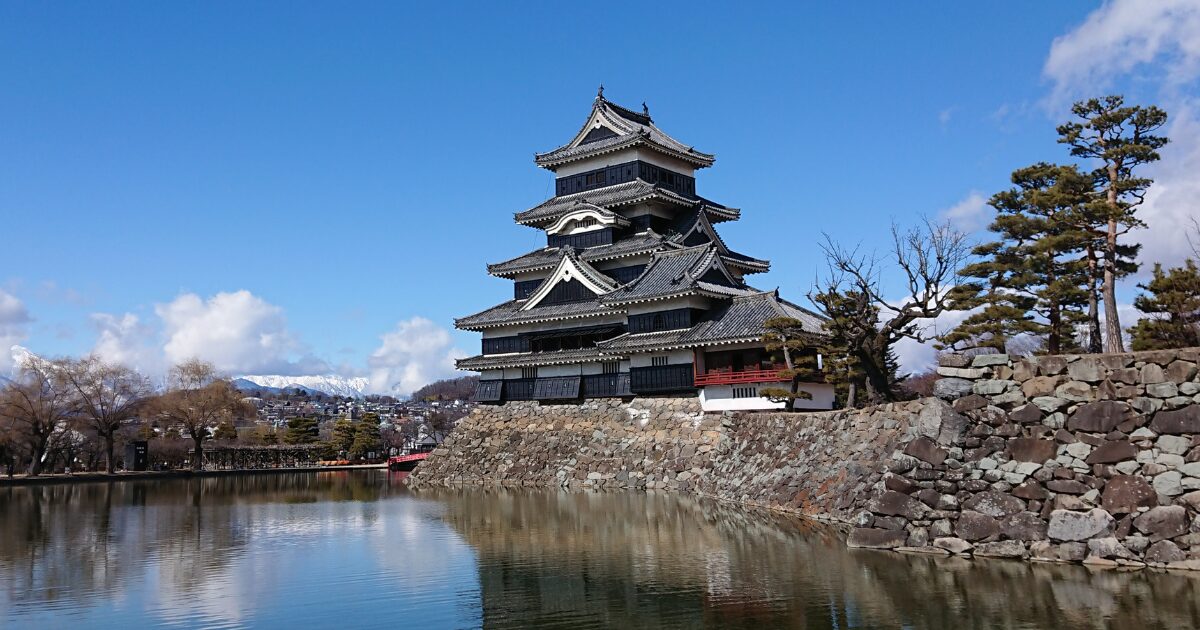
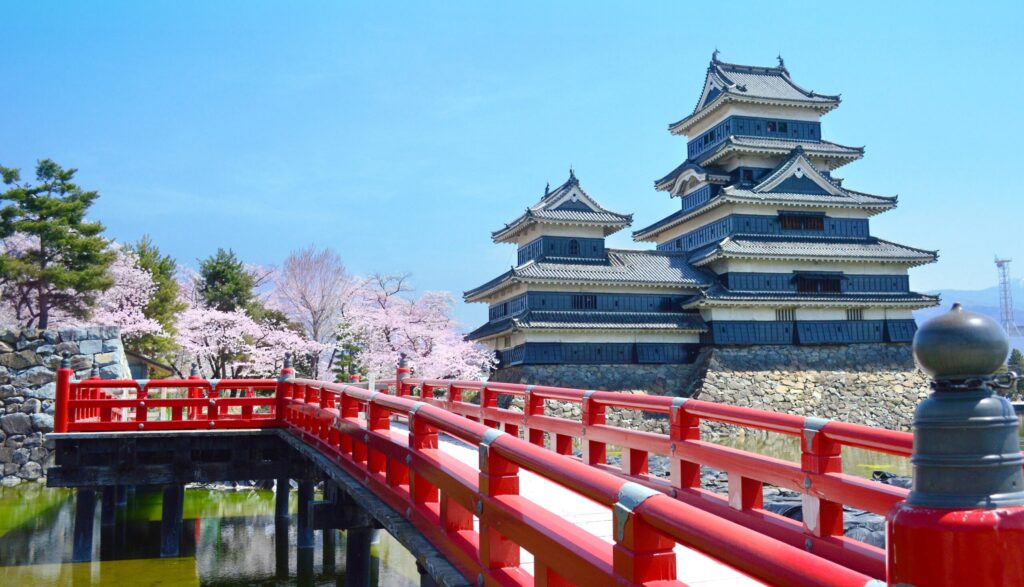
Its five-tier, six-story main keep presents a striking contrast of black lacquered wood and white plaster walls, earning it the nickname “Crow Castle” (Ujō or Karasujō).
Despite its imposing exterior, the interior of the keep reveals the wisdom, discipline, and aesthetic sensibility of the samurai who once defended it. The quiet tension of its corridors evokes centuries of history and resolve.
More than 400 years have passed since its construction, yet Matsumoto Castle remains remarkably intact — its main keep, turrets, stone walls, and moats have survived wars and earthquakes almost unchanged.
This guide explores the world of Matsumoto Castle in depth — from its history and key figures to its ingenious architecture, seasonal highlights, recommended walking routes, and practical access information.
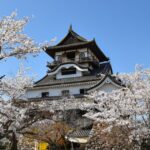
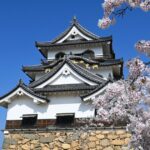
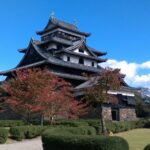
As of 2025, the following five castles in Japan are officially designated as National Treasures and remain standing in their original form:
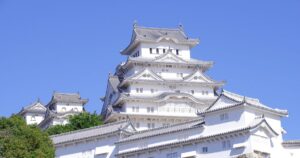
- Himeji Castle (Himeji City, Hyōgo Prefecture) — also a UNESCO World Heritage Site
- Matsumoto Castle (Matsumoto City, Nagano Prefecture)
- Inuyama Castle (Inuyama City, Aichi Prefecture)
- Matsue Castle (Matsue City, Shimane Prefecture)
- Hikone Castle (Hikone City, Shiga Prefecture)
The Meaning of “National Treasure”
A National Treasure is a special title given to cultural properties of exceptional value in Japan.
It applies not only to castles, but also to temples, shrines, paintings, and statues of the Buddha.
In the case of castles, specific buildings such as the tenshu (main keep), yagura (turrets), gates, or walls are designated as National Treasures.
In other words, it is not the entire castle complex that is designated, but certain structures that possess outstanding historical and architectural value.
How Are They Chosen?
Only castles that meet the following three conditions are recognized as National Treasures:
- Historical Importance
The castle must have significant connections to major periods or events in Japanese history. - Architectural Excellence
The design, structure, and construction techniques must represent the highest level of craftsmanship of their time. - State of Preservation
Even after restorations, much of the original material and form must remain intact.
What Is a “Genzon Tenshu” (Original Keep)?
A genzon tenshu refers to a castle keep built centuries ago that has survived fires, wars, and natural disasters without being destroyed.
Although Japan once had over a hundred castles, only twelve still have their original keeps today.
All five National Treasure castles are among these twelve.
That means you can still see, with your own eyes, wooden beams, nails, and white plaster walls that were crafted hundreds of years ago.
Why Only Five?
In the Meiji period, the Japanese government issued the Castle Abolition Ordinance (Haijōrei), leading to the demolition of many castles.
Later, wars, fires, and earthquakes destroyed even more.
Amid these losses, only five castles managed to survive almost exactly as they were built.
Through repeated repairs and careful preservation, these five have been protected as true “Treasures of Japan.”
National Treasure castles are not merely tourist attractions.
They are living cultural properties—testimonies to Japan’s history, architecture, and the enduring dedication of the people who preserved them.
Each castle carries its own story, standing as a bridge between the past and the present.
If you ever have the chance, visit them and feel the centuries of history that still live within their walls.
The History and Origins of Matsumoto Castle
From Fukashi Castle to Matsumoto Castle — The Beginning of the Warring States Era
The story of Matsumoto Castle began more than 500 years ago, in the late Muromachi period.
Its predecessor, Fukashi Castle, was built in 1504 by the Ogasawara clan, the military governors of Shinano Province.
Constructed on flatland surrounded by wetlands, the castle was protected by a system of moats that made it a formidable stronghold.
During the Warring States period, this region was constantly engulfed in conflict. Legendary warlords such as Takeda Shingen, Uesugi Kenshin, and Oda Nobunaga fought fiercely for control of the area.
The castle’s rulers changed frequently. In 1582, after the fall of the Takeda clan, Oda Nobunaga’s retainer Mori Nagayoshi entered Fukashi Castle.
However, following Nobunaga’s sudden death in the Honnō-ji Incident, his rule ended abruptly, and the Matsumoto region once again descended into turmoil.
The Arrival of Ishikawa Kazumasa — From Fortress to Early Modern Castle
That same year, Ishikawa Kazumasa, a senior retainer of Tokugawa Ieyasu, entered Matsumoto.
When Ieyasu was transferred to the Kantō region under Toyotomi Hideyoshi’s rule, Kazumasa was granted control of Shinano and began strengthening the castle as a Tokugawa defensive base.
Around 1585, large-scale reconstruction began, and under the supervision of Kazumasa’s son Ishikawa Yasunaga, the castle’s magnificent five-tier, six-story main keep (tenshu) was completed.
Strategically located between the Uesugi territories to the north and the former Takeda lands to the south, Matsumoto became an essential military stronghold.
By the early 17th century, however, Matsumoto’s role began to shift — from a fortress of war to a castle of governance and peace.
The Edo Period — A Castle of Politics and Culture
After the Battle of Sekigahara in 1600 and the establishment of the Tokugawa shogunate, the Ogasawara family once again became the lords of the Matsumoto Domain.
Lord Ogasawara Hidemasa focused on stabilizing politics and promoting education. Disciplines such as Confucianism and wasan (traditional Japanese mathematics) were encouraged as essential learning for samurai.
Matsumoto flourished as a “castle town of culture,” attracting merchants and scholars alike.
The castle, no longer a fortress for battle, evolved into a symbol of authority, elegance, and refined aesthetics.
Structures such as the Tsukimi Yagura (“Moon-Viewing Tower”) were added, embodying the peaceful spirit of the Edo era and reflecting Japan’s transition from the turbulence of war to the beauty of tranquility.
The Meiji Crisis and the Citizens’ Preservation Movement
Following the Meiji Restoration, the new government issued the Haijōrei (Castle Abolition Ordinance), which led to the demolition of countless castles across Japan — and Matsumoto Castle was no exception.
It was even put up for public auction, facing the imminent danger of dismantlement.
At that critical moment, a local educator named Ichikawa Ryōzō rose to action.
Together with townspeople, he launched a preservation movement, collecting donations and successfully buying back the castle.
This grassroots effort, driven by the citizens themselves, is the reason Matsumoto Castle still stands today.
In the early Shōwa period, the castle underwent extensive restoration, and in 1952, its main keep was officially designated a National Treasure.
Matsumoto Castle endures as one of Japan’s most cherished historical monuments — a living testament to the wisdom, resilience, and beauty that defined the age of the samurai.
Notable Figures Connected to Matsumoto Castle
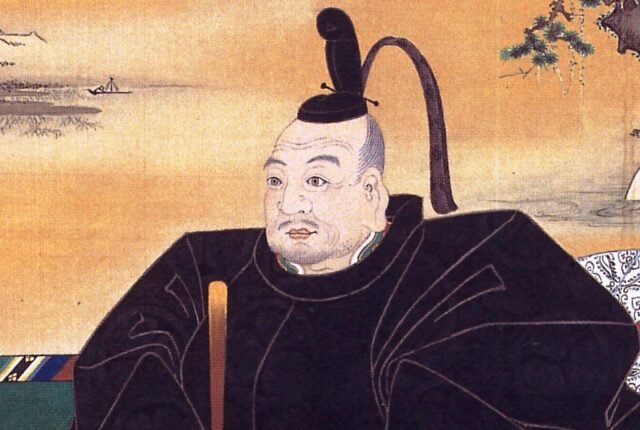
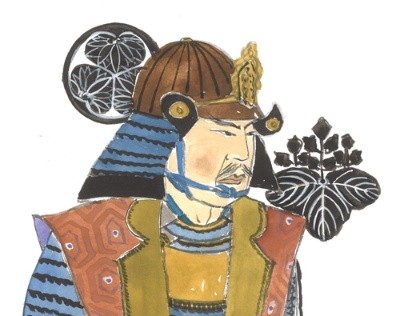
Ishikawa Kazumasa (1534–1593)
A close retainer of Tokugawa Ieyasu and the man who laid the foundation for Matsumoto Castle’s construction. Caught between the shifting powers of Ieyasu and Toyotomi Hideyoshi, he skillfully used his strategic insight to fortify the castle both politically and militarily.
OGASAWARA Hidemasa (1569–1615)
The first lord of the Matsumoto Domain under the Tokugawa shogunate. He balanced governance with cultural development, promoting education, scholarship, and the arts, and guided Matsumoto toward prosperity.
ICHIKAWA Ryōzō (1845–1919)
An educator during the Meiji period and the leader of the citizens’ movement that saved Matsumoto Castle from demolition. Remembered as the “guardian of the modern age,” his dedication ensured the castle’s survival into the present.
Through the actions of these individuals — spanning the Warring States, Edo, and modern eras — Matsumoto Castle was transformed from a fortress of war into a living cultural treasure that continues to embody Japan’s enduring heritage.
Architectural Features — The Fusion of Beauty and Function
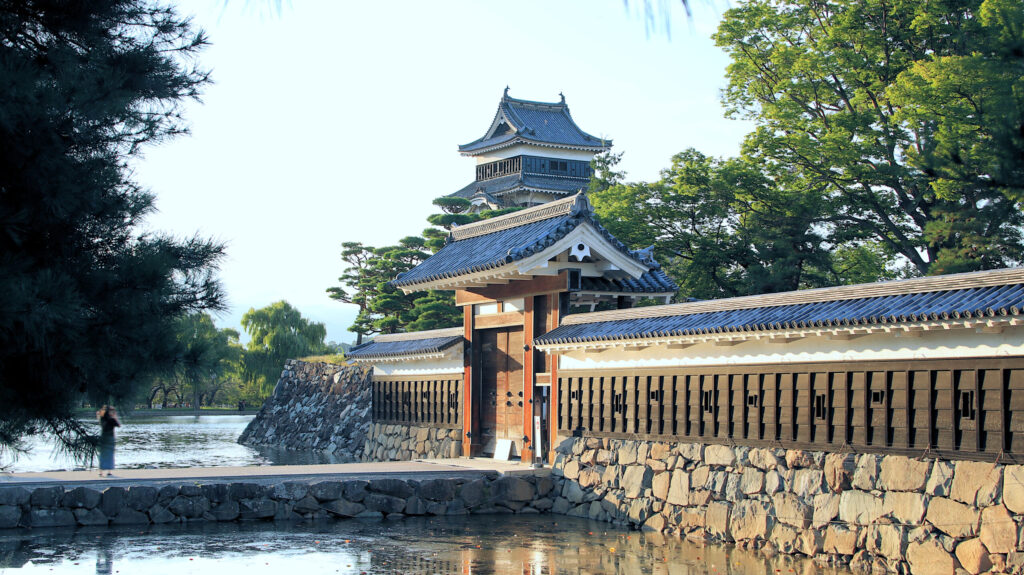
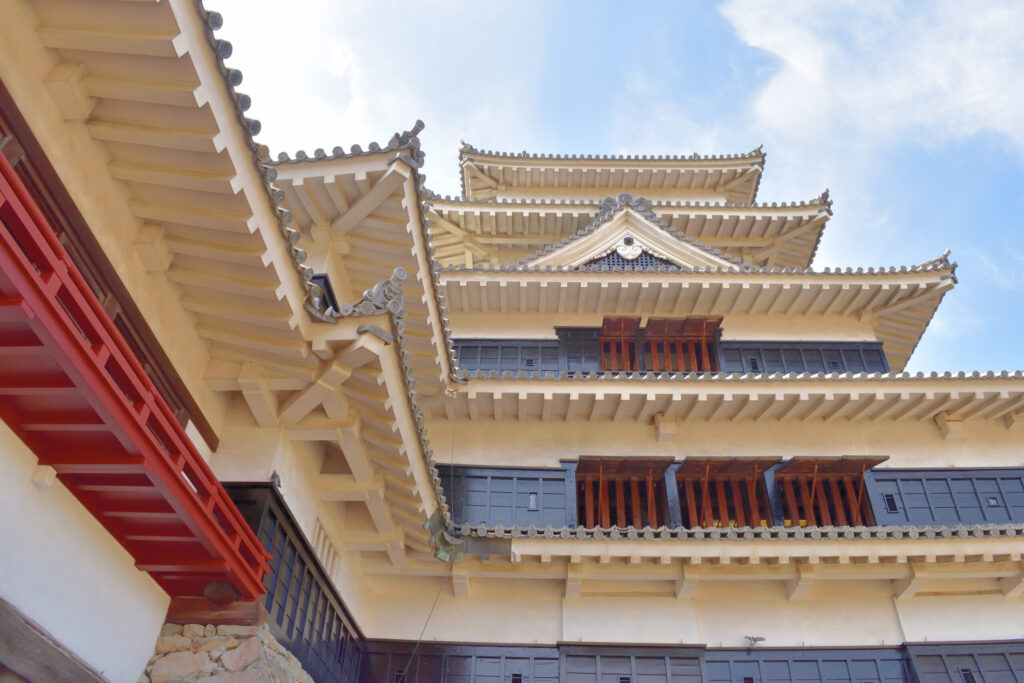
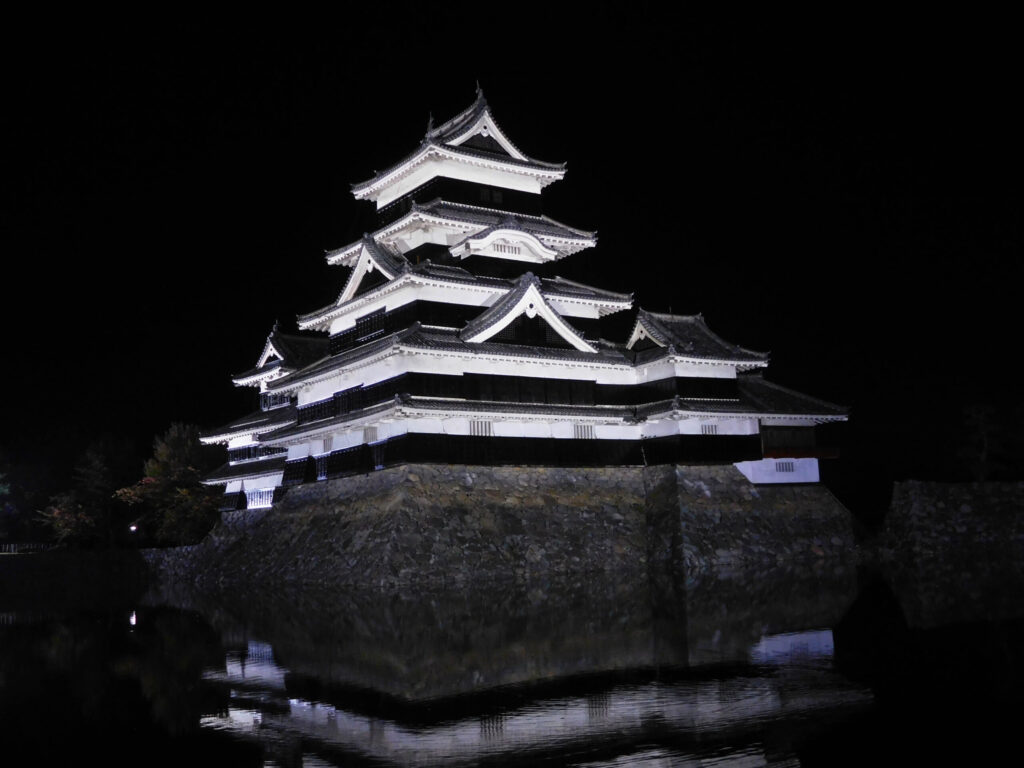
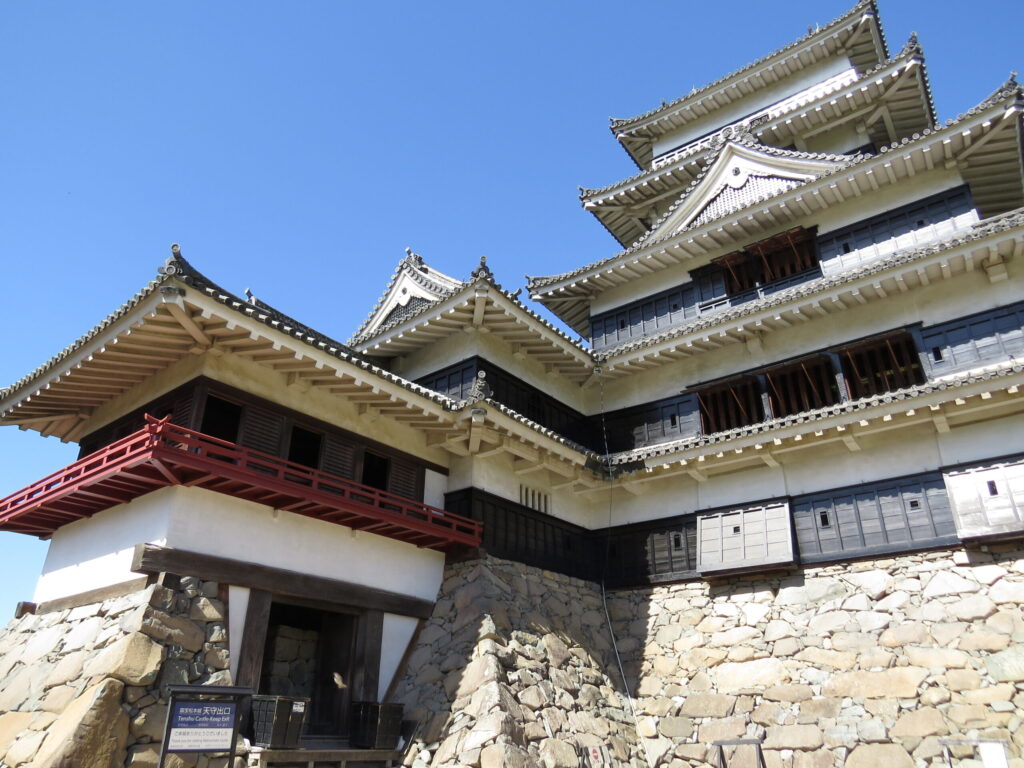
The Five-Tier, Six-Story Main Keep — A Fortress with a Hidden Floor
From the outside, Matsumoto Castle appears to have five stories, yet inside it contains six.
Between the fourth and fifth floors lies a hidden floor, a concealed space designed to station soldiers during times of attack.
The interior is ingeniously equipped with defensive features such as yazama (narrow openings for arrows), teppōzama (gun ports), and ishi-otoshi (stone-dropping chutes) used to strike enemies directly below.
The arrangement of beams and interlocking wooden joints demonstrates remarkable earthquake resistance — a testament to the craftsmanship that has kept the castle standing firm for over four centuries.
Black Lacquered Siding — The Aesthetics of Night Warfare
The castle’s iconic black exterior is far more than a matter of decoration.
The wooden boards of the lower walls were coated with black lacquer (shitaji-ita) to make the structure less visible during night battles and to obscure it from enemy view.
Meanwhile, the upper sections were finished in white plaster, serving both fireproofing and moisture-resistant functions.
This dual-tone design — the interplay of black and white — creates the refined yet tense beauty that defines Matsumoto Castle’s silhouette.
The Moon-Viewing Tower — A Symbol of Peace
Added during the Edo period, the Tsukimi Yagura (“Moon-Viewing Tower”) is an elegant three-story annex built not for war, but for cultural appreciation.
From its wide windows, one could gaze upon the moon setting behind the Northern Alps, and the space was often used to host banquets for envoys of the shogun.
That a castle once forged for battle later became a place to admire the moon speaks volumes — Matsumoto Castle itself stands as a living symbol of Japan’s transition from war to peace.
Highlights and Photo Spots
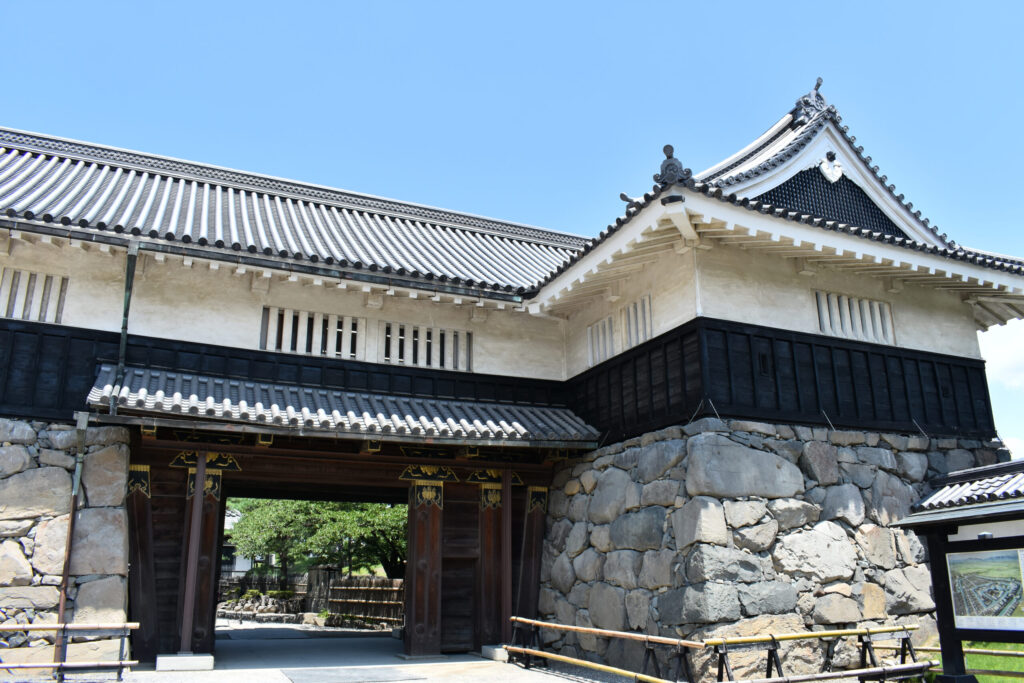
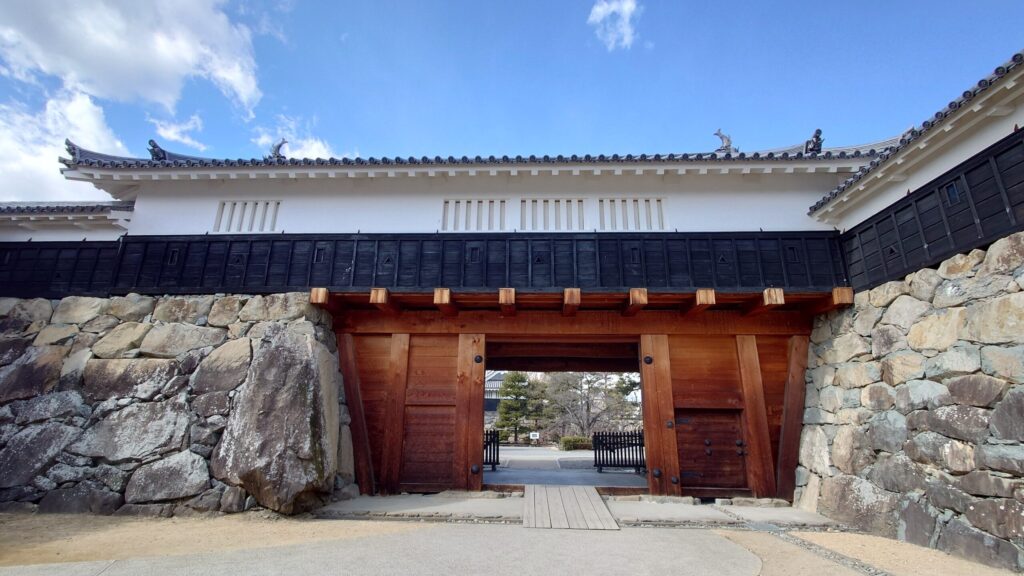
Kuro-mon & Taiko-mon Gates
These imposing wooden gates retain the aura of the Warring States era. Once used as the main entrances for samurai, they convey a sense of dignity and strength.
Honmaru Garden
The best vantage point for photographing the castle’s elegant silhouette. From here, the main keep rises majestically against the sky, surrounded by seasonal flowers that enhance its beauty throughout the year.
Main Keep Observation Floor
From the top floor, visitors are rewarded with panoramic views of the Northern Alps, including the towering peaks of Mount Jōnen and Mount Norikura.
Tsukimi Yagura (Moon-Viewing Tower)
A serene space infused with Edo-period charm. The warmth of the wood and the soft natural light create a calming atmosphere, inviting quiet reflection rather than battle.
The Inner Moat’s Water Mirror
On calm mornings or at sunset, the main keep reflects perfectly upon the still water of the moat. This breathtaking sight, known as “Upside-Down Matsumoto Castle,” is beloved by photographers from around the world.
For Castle Enthusiasts — Subtle Details Worth Noticing
Gun and Arrow Slits:
Each floor features teppōzama (gun ports) and yazama (arrow slits) set at carefully calculated angles, allowing defenders to target enemies at varying distances with precision.
Drainage Holes in the Stone Walls:
Small openings were built into the stone base to release rainwater — a subtle but crucial design that maintains the castle’s structural integrity.
Carpenters’ Ink Inscriptions:
During restoration, craftsmen’s handwritten marks were discovered on the pillars — signatures and notes from 400 years ago, silently preserving the legacy of Japan’s master builders.
Matsumoto Castle Through the Four Seasons — Beauty in Harmony with Nature
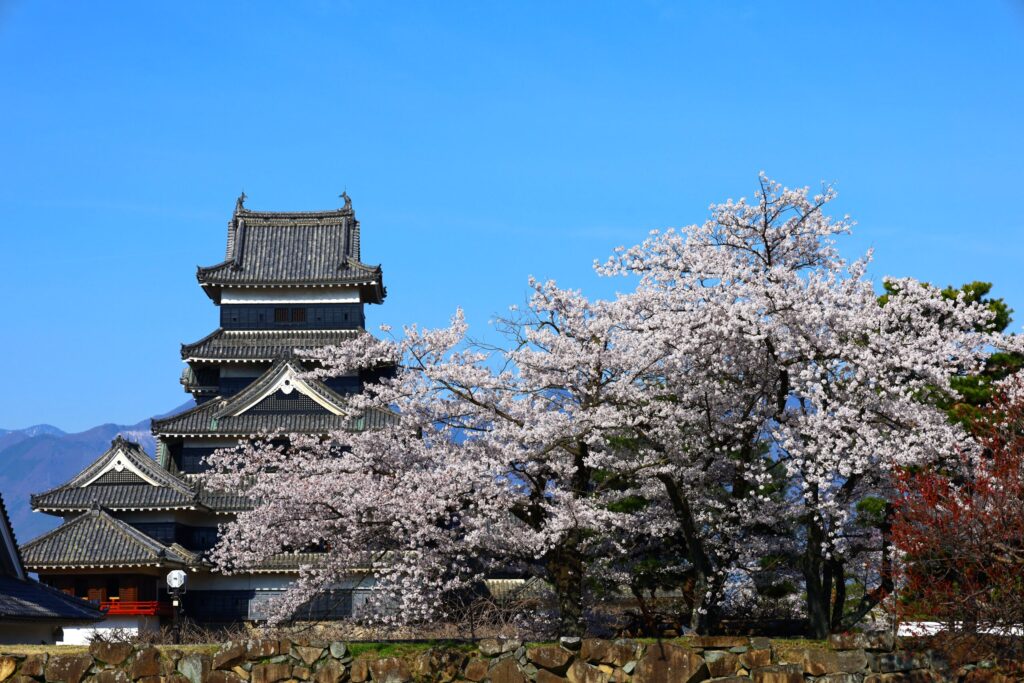
Spring (Early April):
Cherry blossoms burst into full bloom, surrounding the castle with delicate pink hues. During the Night Sakura Illumination, the reflection of the main keep shimmering in the moat creates a dreamlike, almost ethereal scene.
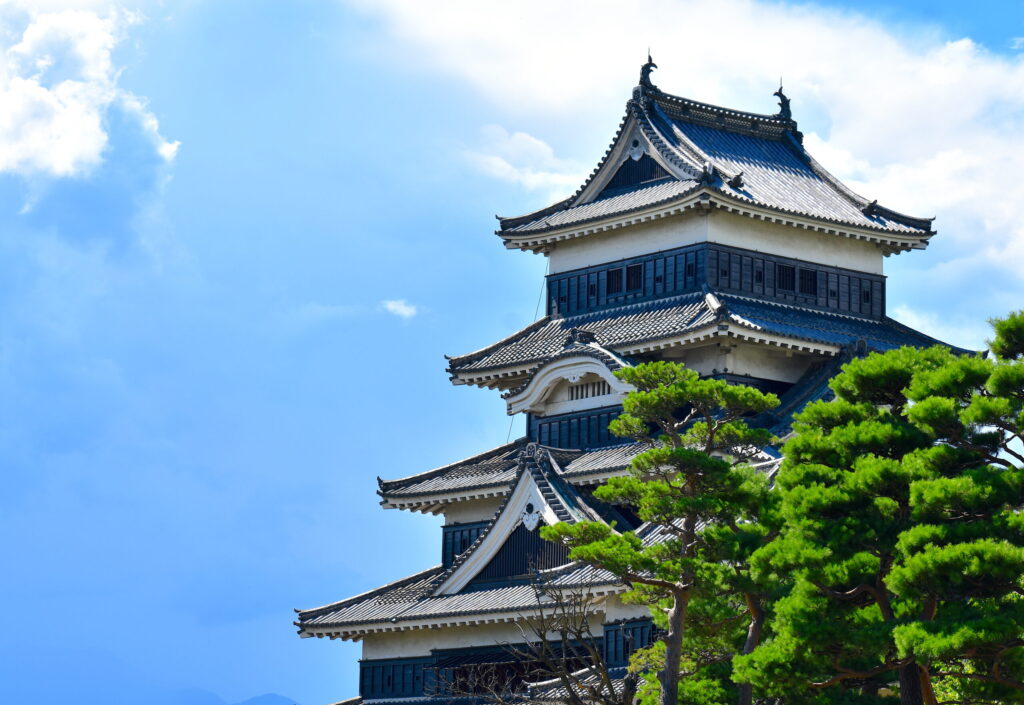
Summer (July–August):
The deep blue sky contrasts vividly with the castle’s black lacquered walls. The city comes alive with the Matsumoto Bonbon festival, when locals and visitors dance through the streets in a joyful celebration of summer.
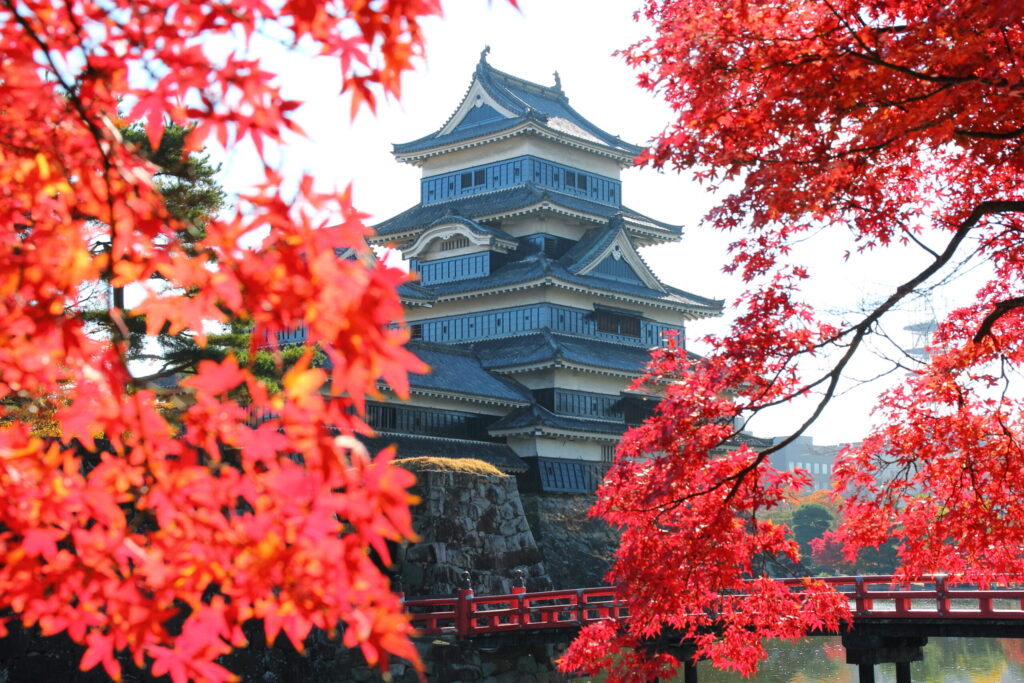
Autumn (October–November):
The castle grounds glow with the reds and golds of autumn foliage. The maples in the Honmaru Garden sway gently in the breeze, offering one of the most picturesque views of the year — a favorite among photographers.
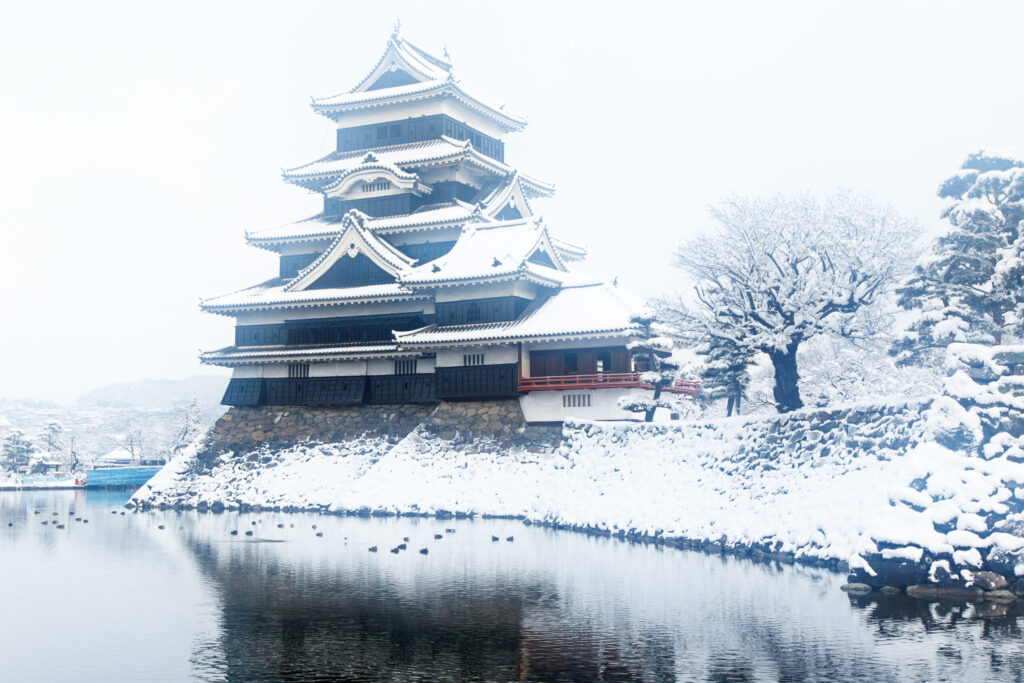
Winter (December–February):
Blanketed in snow, the main keep exudes an almost sacred stillness. The interplay of black and white against the crisp winter air captures the essence of Japanese aesthetic beauty at its purest.
Recommended Sightseeing Itineraries
Half-Day Course (Approx. 3 Hours)
09:00 Arrive at JR Matsumoto Station
09:20 Walk or take the Town Sneaker bus (North Route) to Matsumoto Castle
09:30–11:00 Tour the castle tower and the Moon-Viewing Tower (Tsukimi Yagura)
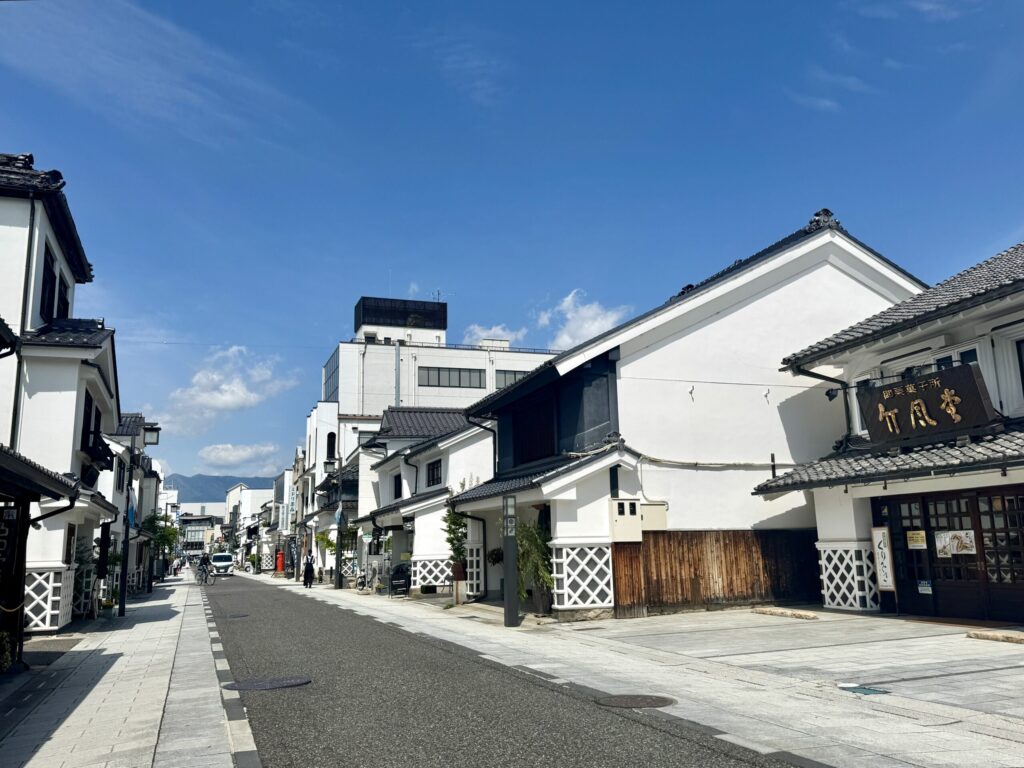
11:10–12:00 Visit the Matsumoto City Museum and stroll through the old castle town streets
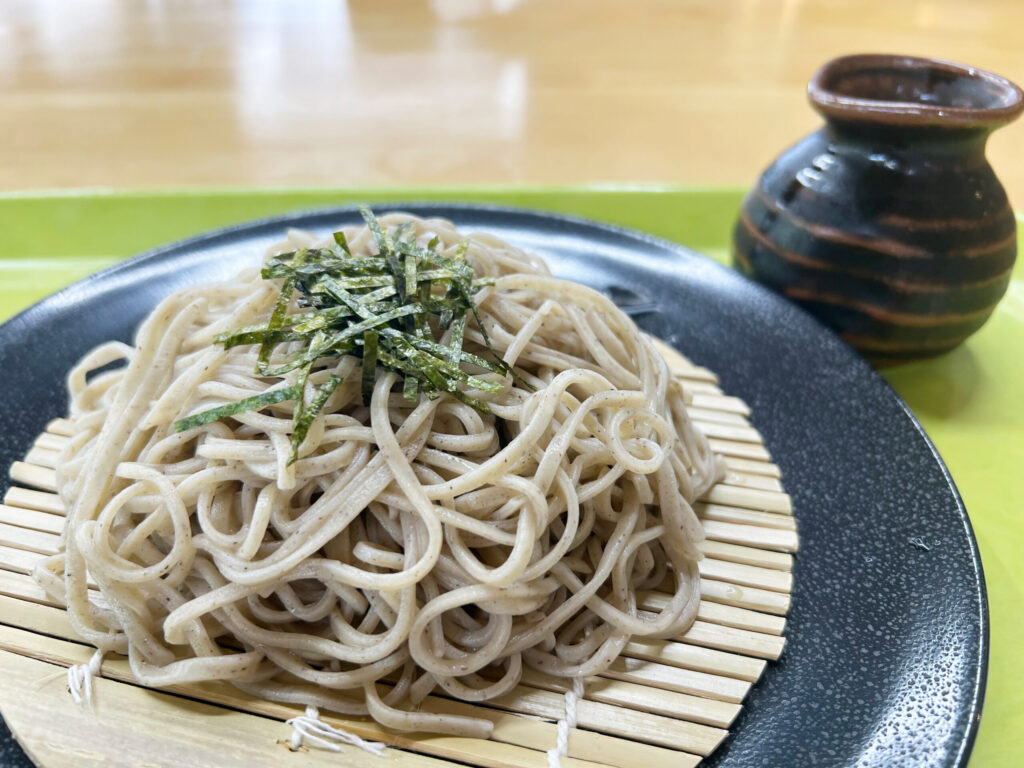
12:00 Enjoy lunch at a soba restaurant (Recommended: Nomugi or Asada)
Full-Day Course (Approx. 6 Hours)
09:00 Depart from Matsumoto Station
09:30–11:00 Explore Matsumoto Castle in depth
11:10–12:00 Walk along Nakamachi Street, known for its traditional kura-zukuri (storehouse-style) buildings and cozy cafés
12:10–13:00 Lunch featuring Shinshu soba noodles or local horse sashimi (basashi)
13:30–15:00 Visit the Matsumoto City Museum of Art — don’t miss Yayoi Kusama’s famous “Garden of Dots”
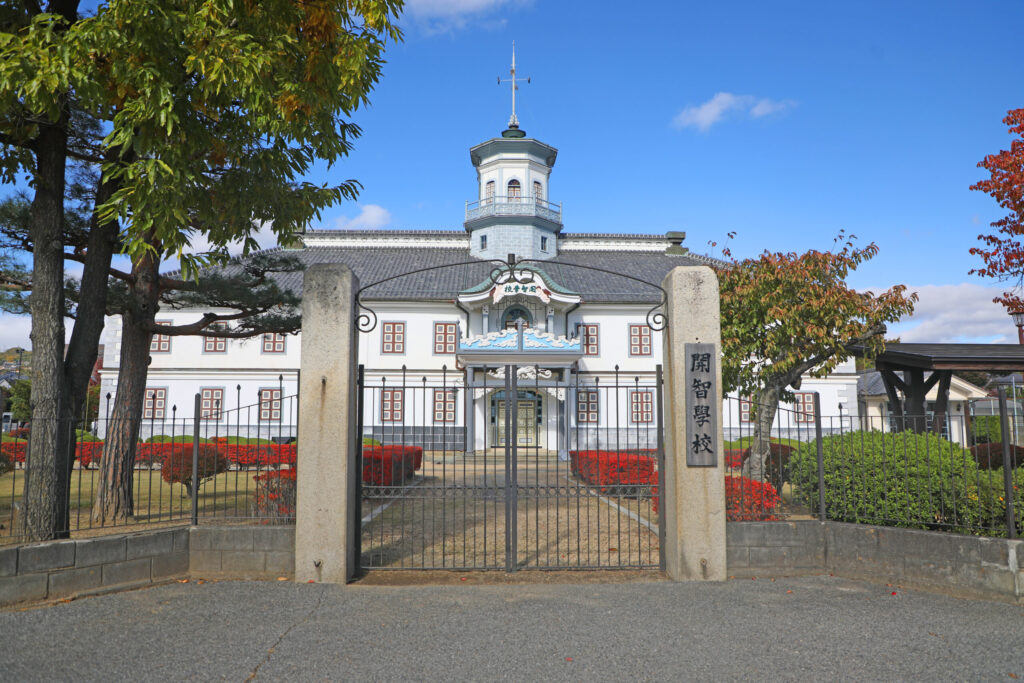
15:10–16:00 Tour Former Kaichi School or visit Yohashira Shrine
16:30 Relax and unwind at Asama Onsen, one of Matsumoto’s historic hot springs
Access and Basic Information
- Location: 4-1 Marunouchi, Matsumoto City, Nagano Prefecture
- Nearest Station: About a 20-minute walk from JR Matsumoto Station
- By Bus: From Matsumoto Station (Oshiro Exit), take the Town Sneaker North Route and get off at “Matsumoto Castle / City Hall” — the castle is right in front of the stop.
- Parking: Ōtemon Parking Lot (5-minute walk) / Municipal Kaichi Parking Lot (10-minute walk)
- Opening Hours: 8:30 a.m. – 5:00 p.m. (last entry at 4:30 p.m.)
- Closed: December 29 – 31
- Admission: Adults ¥700 / Elementary & Junior High School Students ¥300
Official Website of the National Treasure Matsumoto Castle
Visitor Reviews
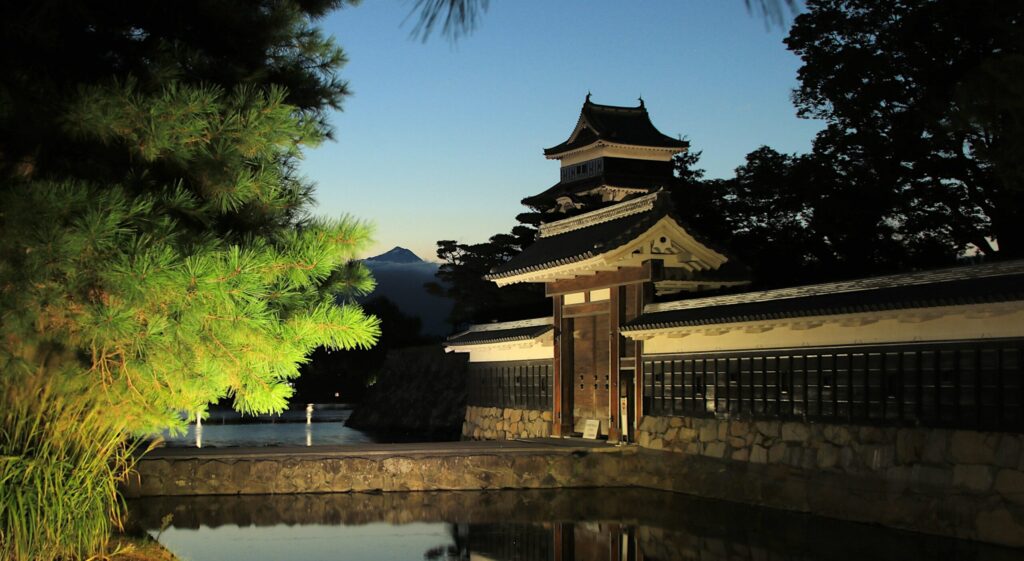
“The contrast of black and white is breathtaking — the castle reflected in the moat looks like a painting.”
“The stairs were steeper than I expected, but the view from the top took my breath away.”
“The Moon-Viewing Tower is so elegant, it’s hard to believe this was once a samurai fortress.”
“Our guide explained everything so clearly that even a beginner in Japanese history could enjoy it.”
“The nighttime illumination is magical — a dream for photography lovers.”
“It’s within walking distance from the station, and the shopping street along the way has a lovely atmosphere.”
What Matsumoto Castle Tells Us — A Timeless Aesthetic
The black lacquer of Matsumoto Castle symbolizes strength and dignity, while the white plaster represents purity and peace.
Together, these two tones embody the balance between contrasting forces — the chaos of the Warring States and the tranquility of the Edo era, tension and serenity, power and beauty.
When you gaze up at the main keep standing against the backdrop of the Northern Alps, you can feel the essence of Japanese aesthetics — a sense of harmony and restraint that has been passed down for over four centuries.
Matsumoto Castle is more than just a historical monument. It is a living expression of culture, preserved and cherished by generations who refused to let its spirit fade.
The Japanese version of this article is here.↓↓↓