- Introduction
- From Ordinary Roots to the Path of Politics
- Living in the Political Arena — Defeat and Renewal
- Politics of Conviction — Choosing Responsibility Over Identity
- Her Political Philosophy — To Protect and To Nurture
- Speaking Without Fear
- How the World Sees Sanae Takaichi
- A New Kind of Leader — Quiet Strength
- Conclusion — Conviction Moves Society Quietly
Introduction
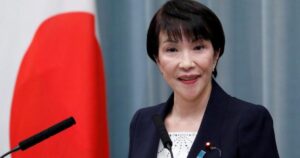
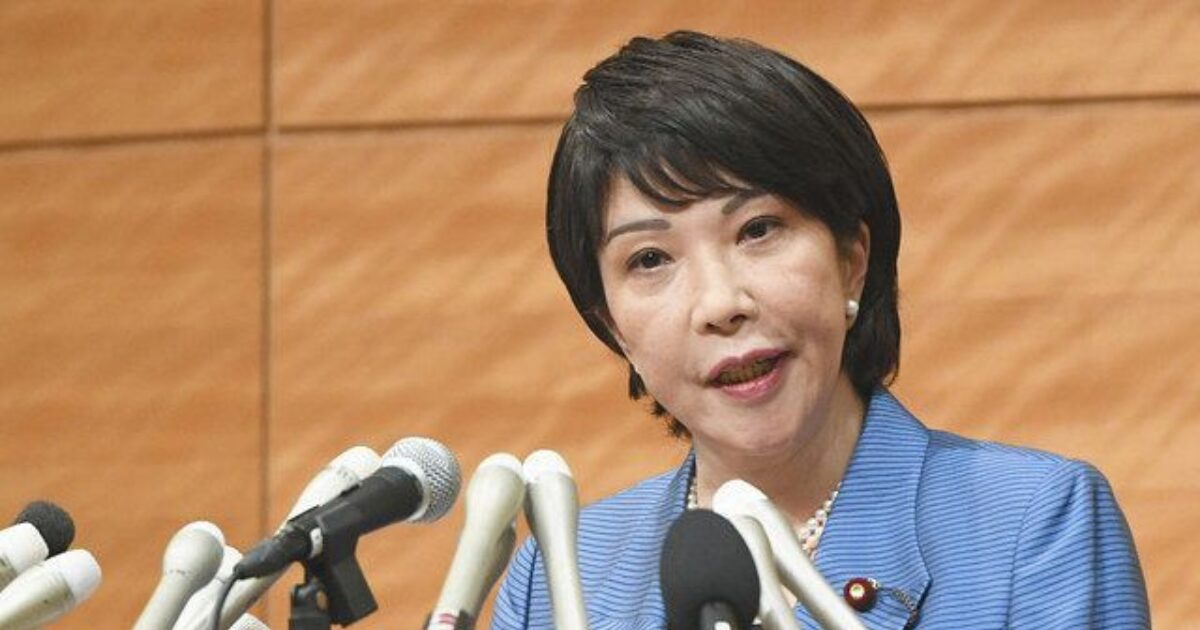
Sanae Takaichi, Japan’s first female prime minister, has drawn intense public attention.
The media often emphasizes the phrase “the first woman,” but when we trace her life, that label feels far too small.
Before being a woman, she is a politician — one who accepts responsibility.
She acts with conviction, speaks without fear, and takes full responsibility for her words.
That unwavering attitude, sometimes praised and sometimes criticized, has shaped her image as a straightforward and principled leader.
This article looks back on how Sanae Takaichi became the politician she is today — and the values that define the way she seeks to lead Japan.


From Ordinary Roots to the Path of Politics
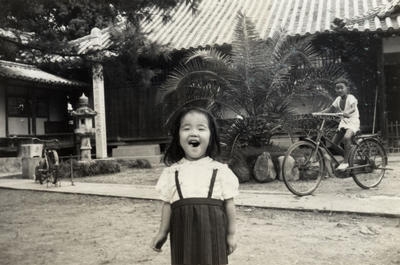

Takaichi was born in 1961 in Nara City, Nara Prefecture.
Her father worked for an automobile manufacturer, and her mother served with the Nara Prefectural Police.
She was raised in a working family, not a political dynasty — an upbringing familiar to many Japanese households.
As a child, she was quiet and thoughtful, preferring reading and observation to speaking in front of others.
Frequent school transfers gave her adaptability and a keen sense for understanding people, which she later described as one of her formative strengths.
After graduating from high school, she entered Kobe University’s Faculty of Business Administration.
While pursuing music on the side, she developed a deep interest in how societies and economies function.
Upon graduation in 1984, she joined the Matsushita Institute of Government and Management, where she learned the essence of practical politics — turning ideals into action.


In 1986, she worked as a staff member in the U.S. Congress, gaining firsthand policy experience.
By 1989, she was anchoring a news program for a private broadcaster.
Experiencing both the media and policy worlds gave her a balanced understanding of communication and governance — the foundation of her pragmatic political style.
This period formed the core of her philosophy: to value responsibility over righteousness, and to shape policies that could actually be implemented.
Her realism — forged in these early years — continues to define her approach to politics.
Living in the Political Arena — Defeat and Renewal
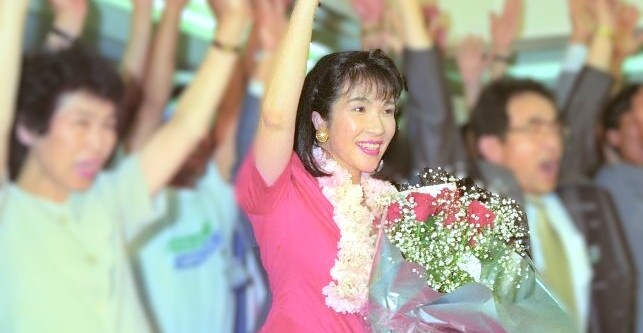
In 1993, Takaichi was elected to the House of Representatives for the first time.
At that time, female lawmakers were rare — especially young ones from regional constituencies like Nara.
Her entry into national politics was itself groundbreaking.
Over the years, she served in various key areas — labor, economy, communications, and local administration — eventually becoming a senior vice minister and later a cabinet minister.
As Minister for Internal Affairs and Communications, she helped promote Japan’s “My Number” identification system and digital governance.
She is particularly known for her grasp of information and technology policy, connecting innovation to society.
Her path, however, was not without hardship.
She lost her seat at one point and spent several years outside parliament.
Looking back, she calls that period “a time for self-reflection.”
By traveling across regions and meeting constituents directly, she rediscovered what citizens truly expected from their representatives.
Politics, she learned, is not sustained by idealism alone.
It demands resilience and accountability.
After her comeback, her words carried more restraint — and a deeper sense of realism grounded in experience.
Politics of Conviction — Choosing Responsibility Over Identity
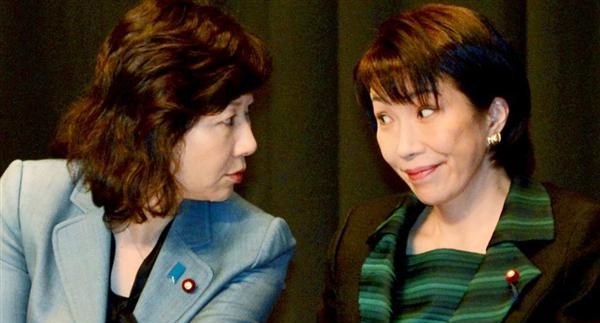
In politics, being a woman still draws special attention.
It can bring visibility, but also stereotypes — expectations of softness, empathy, or maternal care.
Takaichi deliberately distances herself from such assumptions, focusing instead on her duties.
She often says, “I’m not a female politician. I’m Sanae Takaichi, a politician.”
She rejects gendered framing, insisting that only policies and results deserve evaluation.
Her standard is not how society sees her, but how she fulfills her responsibility to it.
At her core lies an unflinching realism.
Rather than chasing ideals, she seeks to reform systems.
Rather than painting hope with words, she builds the structures that sustain it.
This pragmatic vision is what makes her a “strong leader” in the eyes of many.
Her Political Philosophy — To Protect and To Nurture
Across her policies, two themes emerge consistently: protecting the nation and nurturing people.
On the economic and security fronts, Takaichi has long emphasized economic security.
She has advocated strengthening domestic technology, supply chains, and strategic industries such as semiconductors, generative AI, and defense innovation.
For her, national security means safeguarding the daily lives of citizens — an idea that runs through all her policymaking.
The second pillar is education and childrearing.
She believes that “raising the next generation is the greatest responsibility of politics.”
Her policies focus on supporting women in the workforce, improving work–life balance, and expanding educational opportunities in rural areas.
These initiatives are not framed as “for women,” but “for the future.”
Her approach to education and family policy is driven not by sentiment but by duty — setting her apart from traditional gender-based politics.
Speaking Without Fear
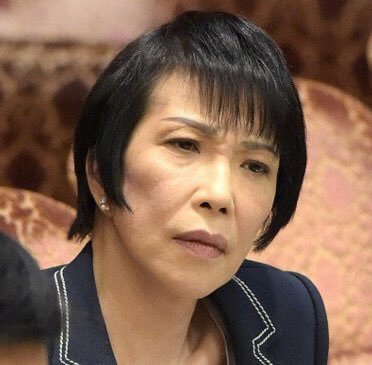
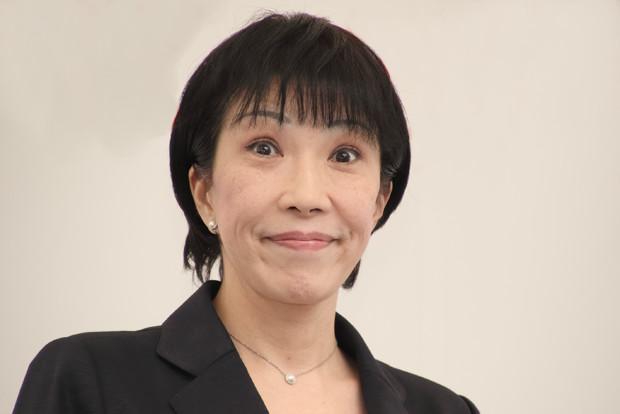
Conviction often invites controversy.
Takaichi’s statements frequently spark debate in the media.
On diplomacy, defense, and historical issues, she refuses to take ambiguous positions.
Critics may call her uncompromising, but beneath that firmness lies consistency: a long-term commitment to safeguarding Japan’s stability.
She avoids short-term populism, instead weighing decisions with decades-long perspective — a path few politicians dare to take.
Takaichi speaks in her own words, regardless of audience.
In debates, she rarely reacts emotionally; instead, she listens carefully, organizes her thoughts, and responds with logic and calm precision.
That sincerity — more than her ideology — has earned her a reputation as someone to be trusted, even by those who disagree with her.
How the World Sees Sanae Takaichi
The news of Japan’s first female prime minister made global headlines.
Major outlets in the U.S. and Europe described her as “a pragmatic negotiator with conservative values,” seeing her as a symbol of Japan’s political maturity in embracing female leadership.
What foreign observers praise most is her consistency in diplomacy.
She has repeatedly stressed that “Japan must speak with its own voice in the international community.”
This stance is not nationalist in tone, but rooted in a belief that Japan must shoulder its global responsibilities as an independent actor.
Many overseas commentators have welcomed her rise as “the emergence of a Japanese leader with a genuinely global outlook.”
A New Kind of Leader — Quiet Strength
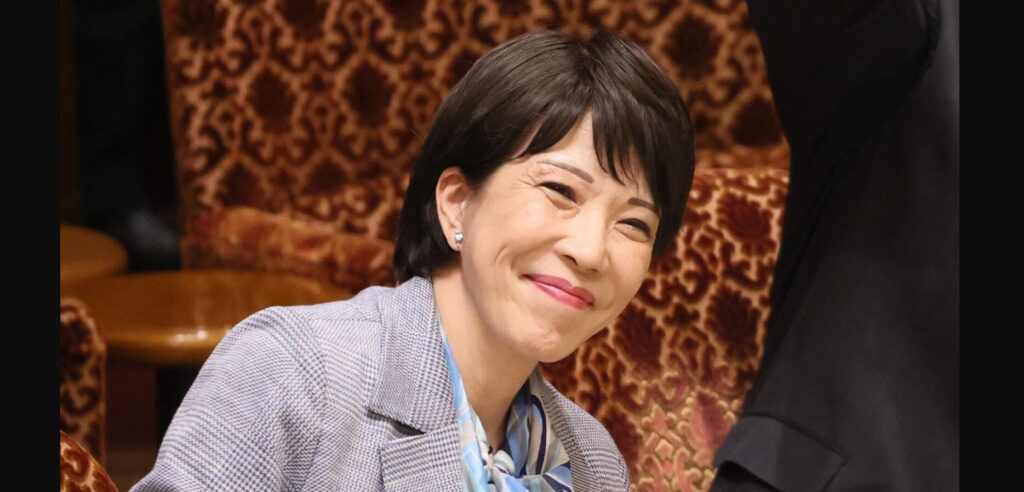
There is a calm strength in Takaichi’s leadership style.
She avoids spectacle and grand gestures, preferring measured words and steady action — an approach that, paradoxically, inspires confidence.
She does not perform strength; she embodies it.
That distinction defines her presence.
Politics, after all, is not about dreaming of ideals but having the courage to face reality.
Her realism ensures that ideals do not fade into illusion, and within that realism, her integrity quietly shines.
What she represents is not “the age of women leaders,” but “the age of leaders with conviction.”
In her world, politics has no gender — only responsibility.
Conclusion — Conviction Moves Society Quietly
Takaichi’s career contains few moments of theatrical drama.
Her progress has been gradual, but each decision has subtly reshaped Japan’s political landscape.
As Japan enters an era where women can lead, her story reminds us of something universal: that one can live beyond labels, guided by one’s beliefs.
Politics is not distant or abstract.
One person, acting with conviction, can alter the course of a nation.
And we are witnessing that truth unfold right now.
In the next article, we will explore how the emergence of Japan’s first female prime minister will influence society, the economy, and Japan’s role in the world — and what new possibilities it opens for us all.
The Japanese version of this article is here.↓↓↓