Introduction
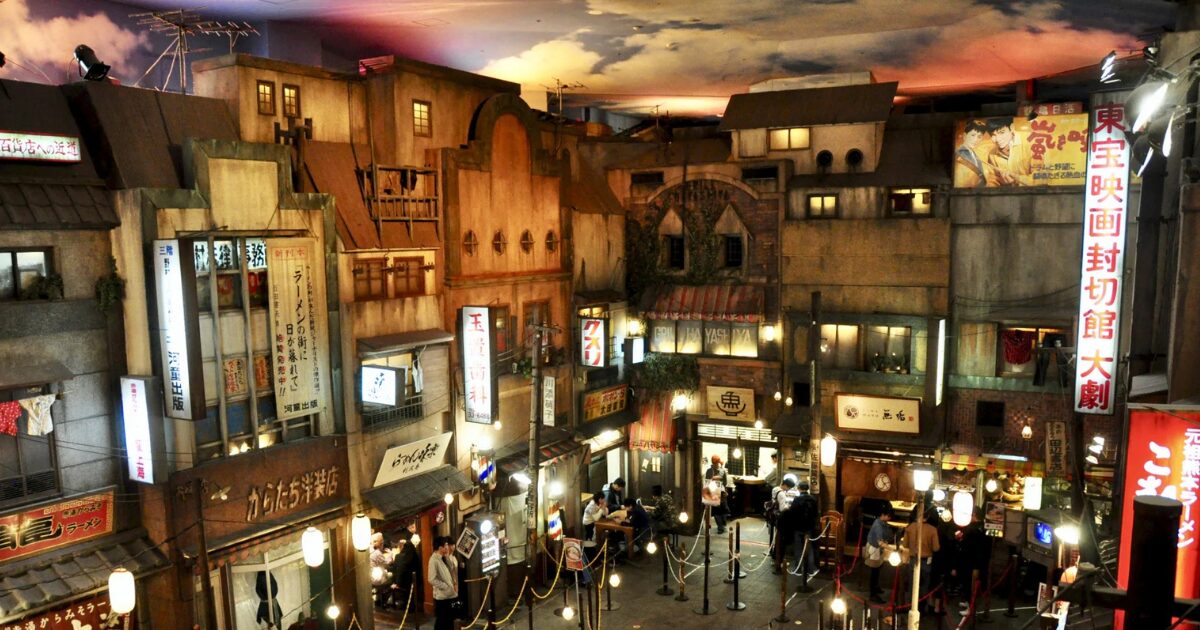
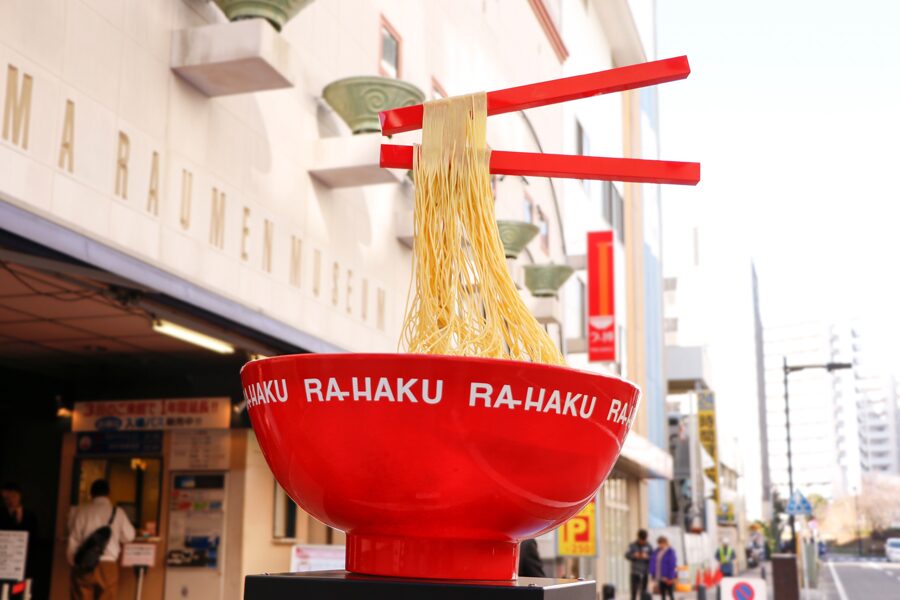
A five-minute walk from Shin-Yokohama Station, the Shin-Yokohama Ramen Museum — affectionately nicknamed “Ra-Haku”— lets you taste famous bowls from across Japan inside a lovingly recreated townscape set in 1958, the year instant ramen was born.
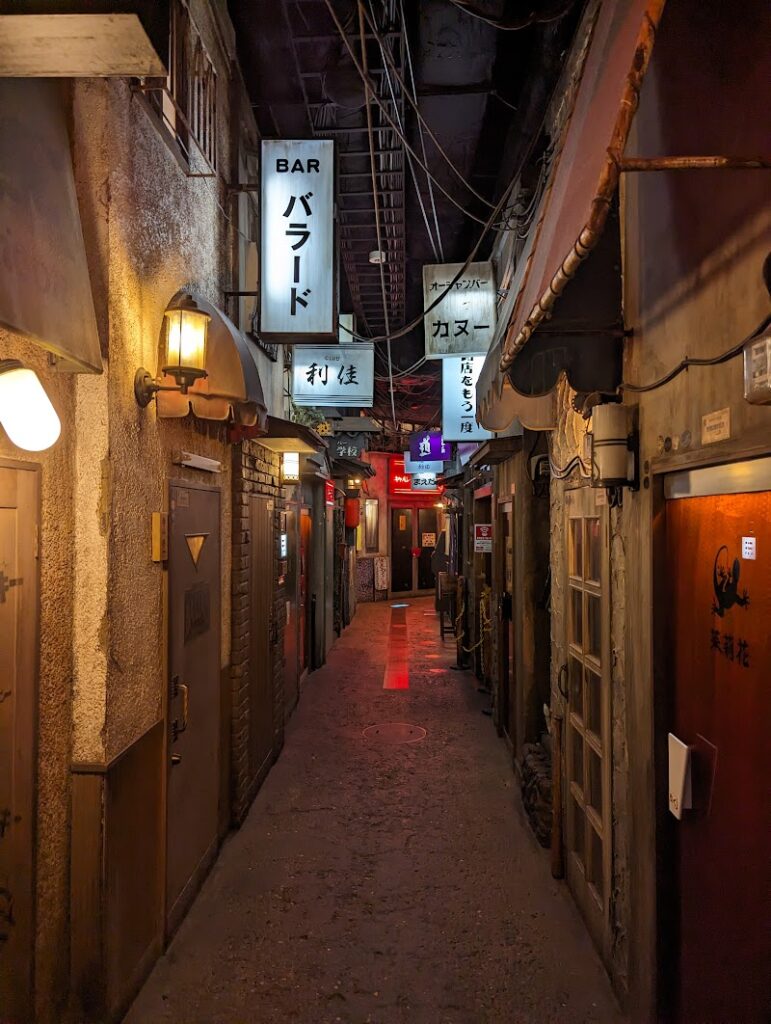
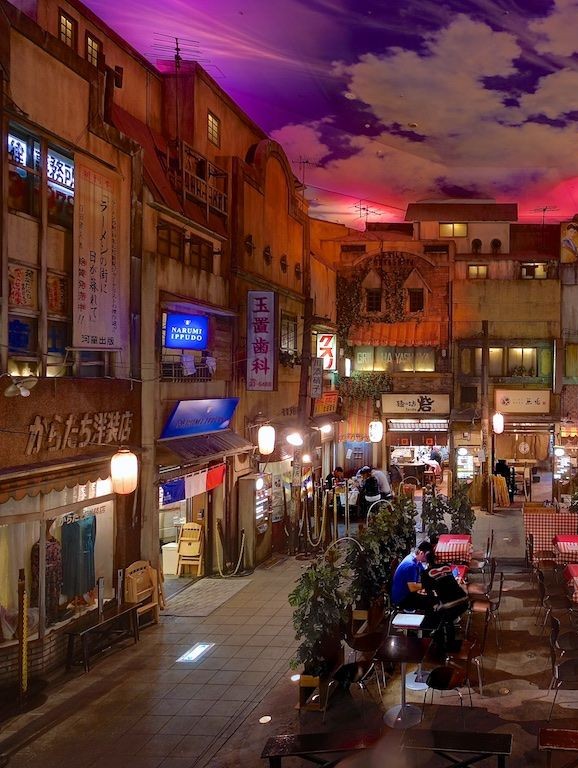
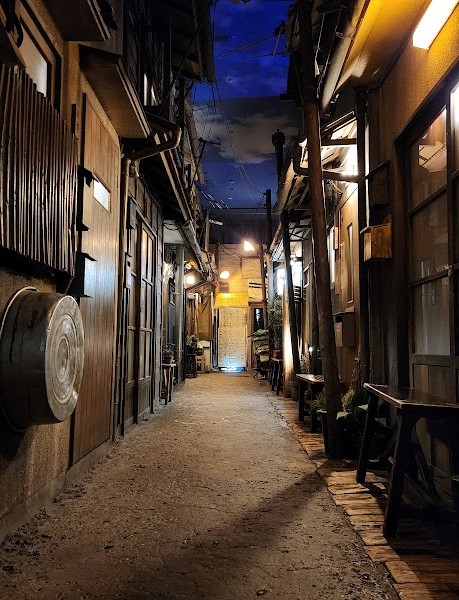
Step downstairs and you’ll find neon lights, retro posters, narrow alleyways, and the delicious hum of slurping. It’s an all-indoor attraction, so rain never spoils the fun.
Whether you’re here with family, a partner, friends, or on a solo ramen pilgrimage, you can eat, learn, make noodles, and soak up old-school vibes for hours.
What Exactly Is the Shin-Yokohama Ramen Museum ?
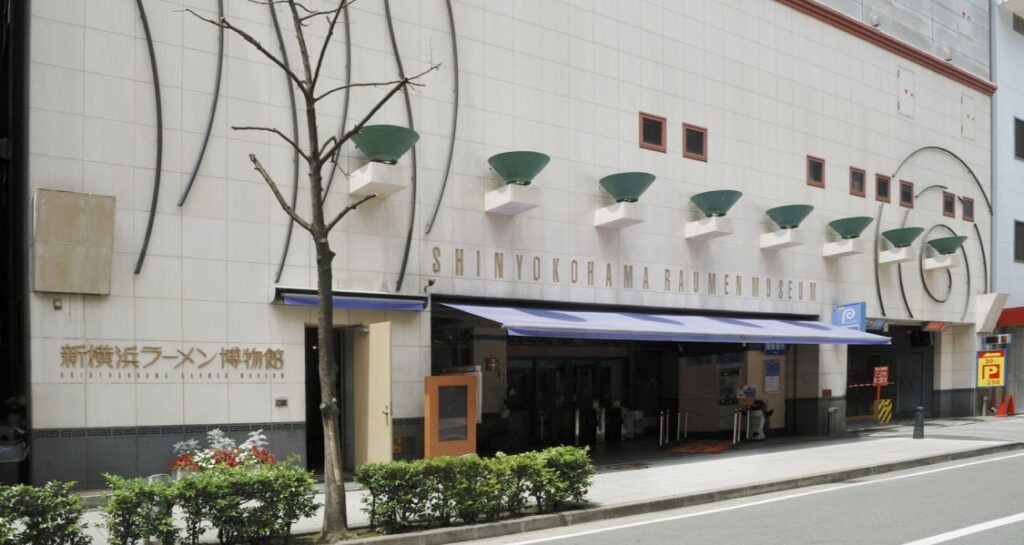
The museum spans three levels:
• 1F (street level): entrance, museum shop, and hands-on zones.
• B1F–B2F: a 1958 Japanese streetscape filled with ramen shops, a small café/snack bar, a dagashi (retro sweets) store, and seasonal performance spaces.
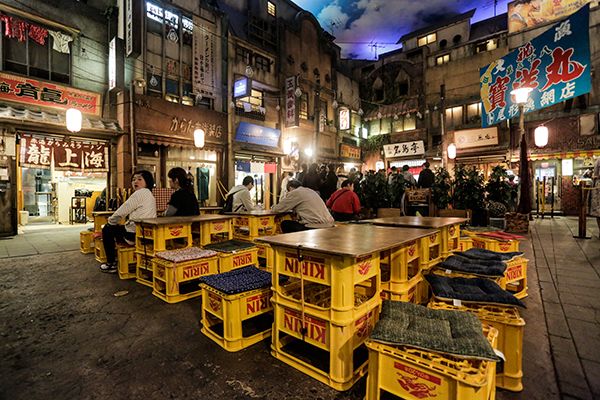
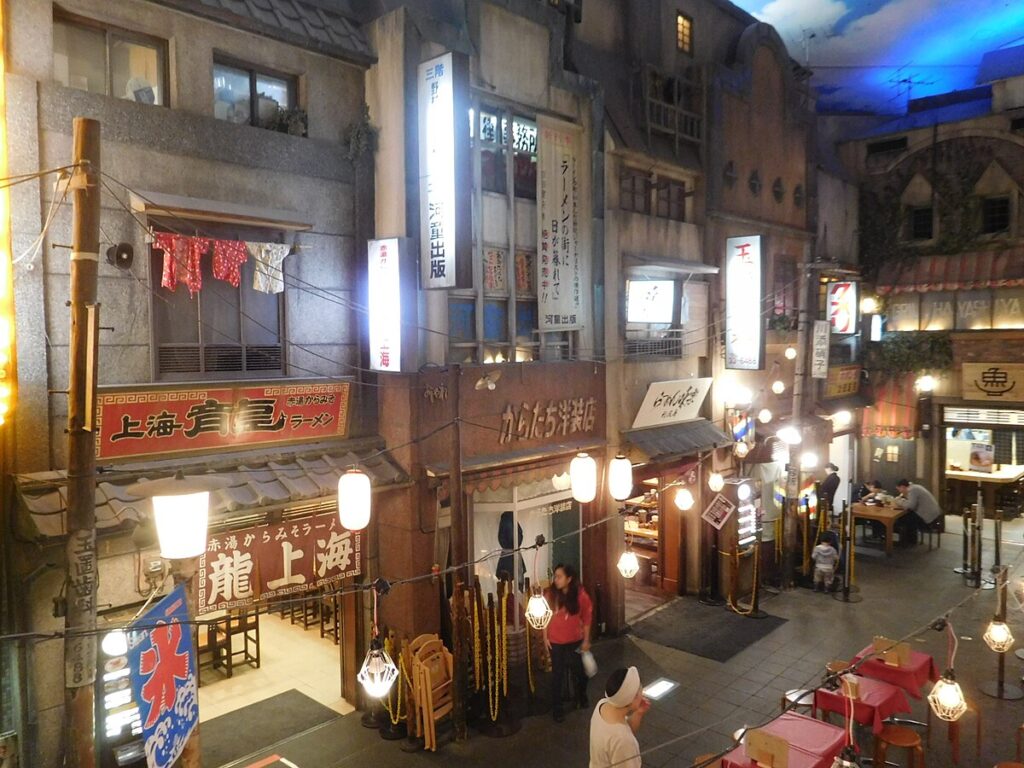
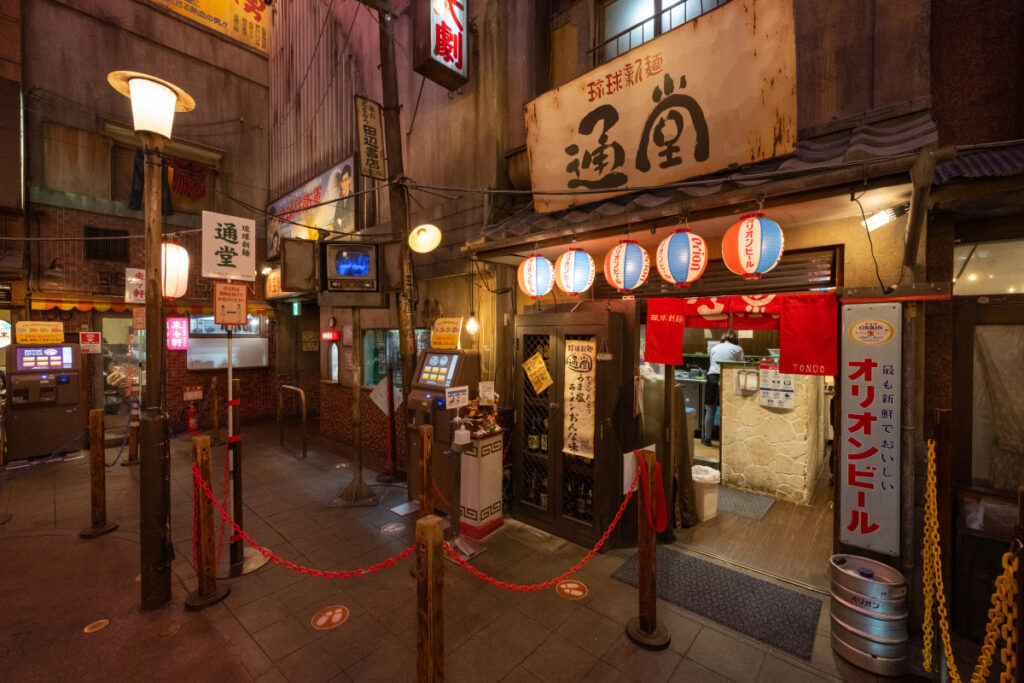
Signage is in English, and ticket machines support multiple languages, making it straightforward for international visitors.
The experience clusters into four pillars — Eat, Learn, Make, and Play — so ramen here isn’t just a flavor; it’s a story you can see and a craft you can touch.
What Can You Eat?
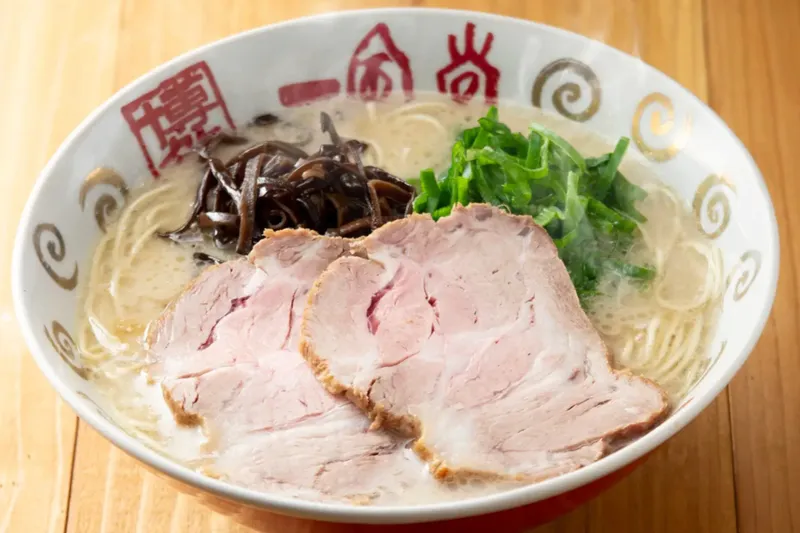
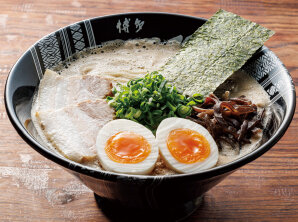
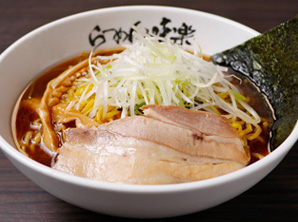
A Line-Up of Regional Styles
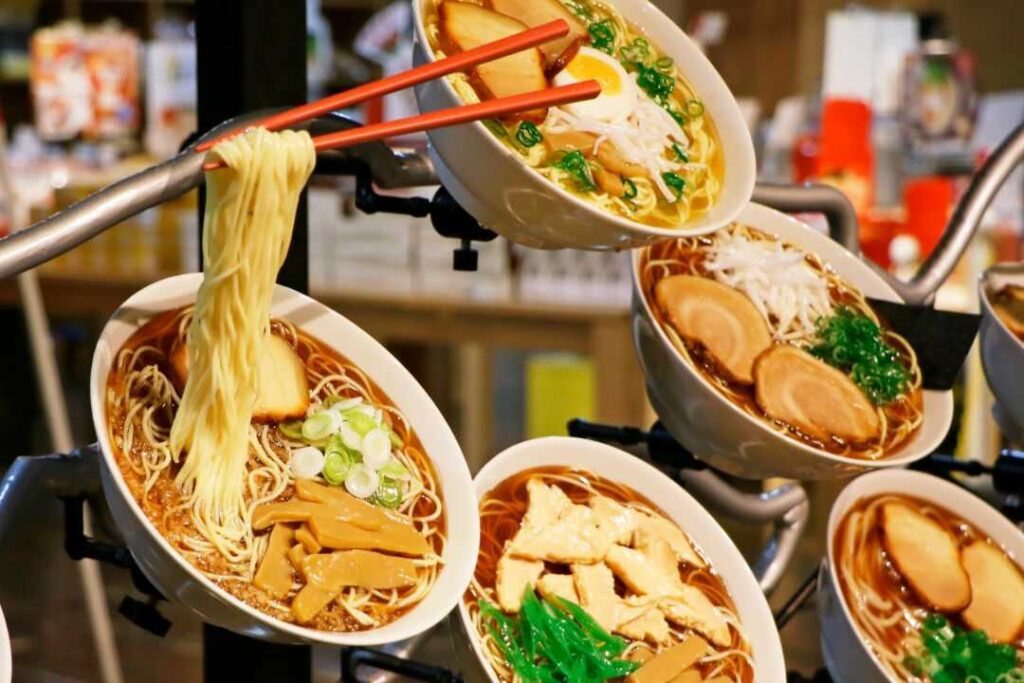
Expect a rotating cast of regional ramen: clear kelp broths, soy sauce (shōyu), miso, tonkotsu, Iekei, creamy chicken paitan, and more.
Pop-ups and limited menus appear through the year, so check current line-ups before you go to target your dream bowl.
Mini Ramen = Your Best Friend
There’s one important house rule: from junior-high age and up, each person orders their own bowl at a shop.
Sharing a single bowl between two adults isn’t allowed.
If you want to sample multiple shops, order the “mini ramen” offered at many counters.
Most people find two to three minis comfortable — go beyond that only if your stomach is in training.
Vegetarian / Vegan Options


Fulfilling its mission to share Japanese ramen culture with the world, the museum works with shops to offer vegetable-based ramen inspired by shōjin ryōri (Buddhist temple cuisine).
Treat the posted charts as guidance for vegetarians rather than formal allergy labels, and always confirm details at the counter on the day — especially if you have allergies.
Learn: The Gallery
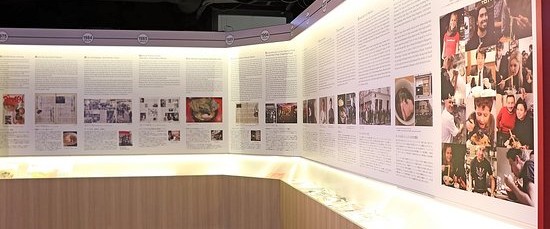
Before you slurp, stroll.
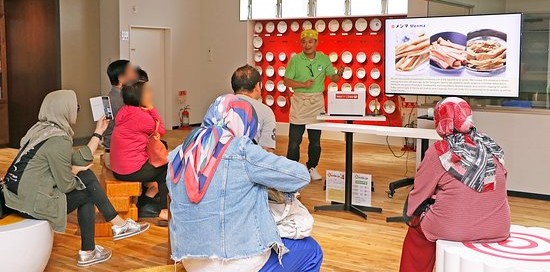
The first-floor exhibition explains how ramen evolved in Japan, with timelines, photos, and artifacts.
Understanding the broth’s backstory tends to sharpen your taste buds for what comes next.
Make: Hands-On Experiences
Ramen-Making Class (Green-Bamboo Method)
Where:
1F Experience Area
What you do:
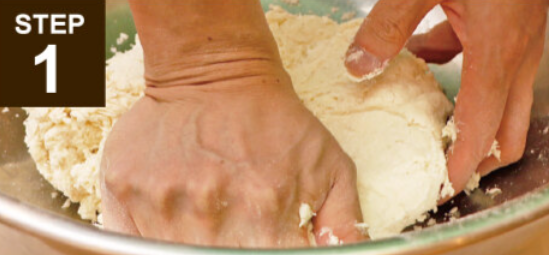
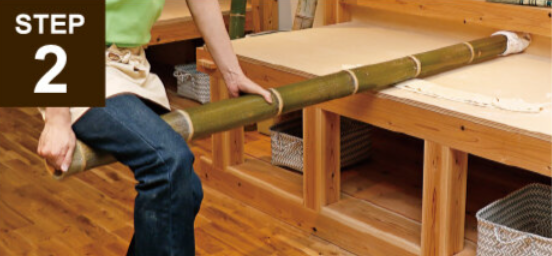
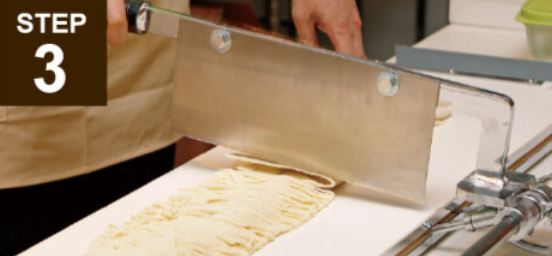
knead dough, beat it with a length of green bamboo (traditional “aodake-uchi”), cut your noodles, boil, and taste your own shōyu ramen. You’ll feel the spring of domestic wheat, the give of the bamboo, and the aroma as your noodles cook — full five-senses ramen.
Good to know:
• Reservation required and slots fill quickly—book as soon as your date is set.
• Standard fee ¥4,700 per person (tax included). Museum admission is extra.
• Usual start times include 11:30 / 13:30 / 15:30 / 17:30 (check the latest).
• Recommended for ages 10+ (younger elementary students may join with an adult).
• Tell staff in advance about any allergies; they’ll advise on what’s possible.
• Some sessions let you take home part of the noodles you made.
RA-HAKU SUGOMEN LAB (Build-Your-Own Cup Ramen)

Where:
1F Experience Area
What you do:
Create a one-of-a-kind instant cup: choose noodle thickness/hydration/alkaline level (kansui) and aging, pick the soup and toppings, then customize your container and lid on your phone via the museum Wi-Fi.
Pick-up follows the completion notice. Base price includes noodles, soup, three toppings, cup, and lid; premium toppings cost extra.
Last pickup is typically one hour before closing.
Occasionally it switches to reservations or features limited collaboration soups — check on the day.
Why it’s fun:
you’ll finally be able to explain why you like a certain noodle — by thickness, hydration, and kansui level— and run your own “taste experiments” by comparing different builds.
Play: Retro Showa Atmosphere
Kamishibai & Seasonal Events
Storytelling and pop-up shows are staged in the 1958 streets—nostalgic for adults, magical for kids.
Dates vary; confirm on the official calendar.
Street Performances (Temporarily Suspended)
Juggling and pantomime once livened weekends and were free to watch during a post-ramen stroll.
As of 2025, these performances are paused.
Check the museum’s site or socials for any restart news.
Dagashi-ya “Yūyake Shōten”
A classic candy-toy shop recreated just like the neighborhood stores of old Japan.
It’s perfect for a quick break while you wait.
Café & Snack “Kateko”
Retro desserts straight from early-Showa cafés — pudding, cream soda, parfaits, bavarois — and the museum’s cult-favorite soft-serve (available to go).
Alcoholic drinks are also served.
Museum Shop
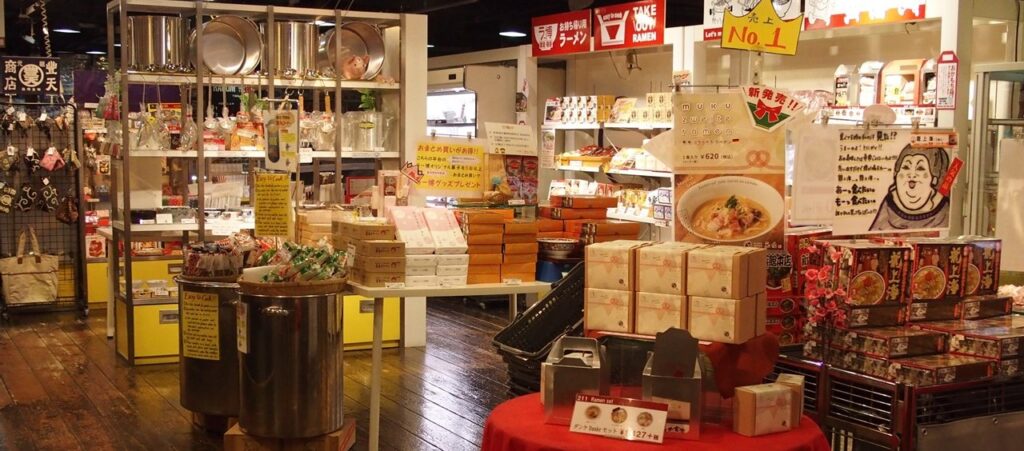
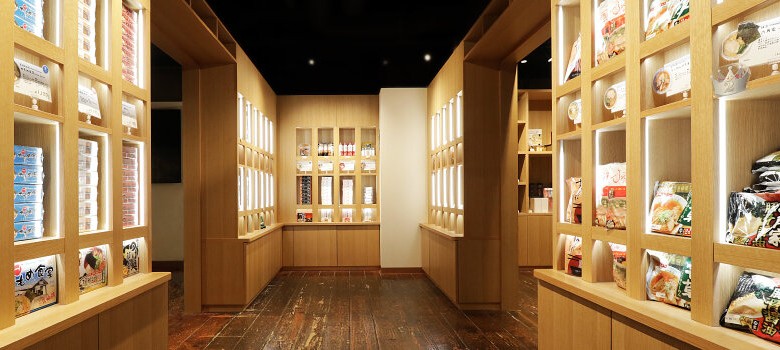
At the Museum Shop on the first floor of the Shin-Yokohama Ramen Museum, you’ll find a wide selection of take-home noodles and limited-edition merchandise.
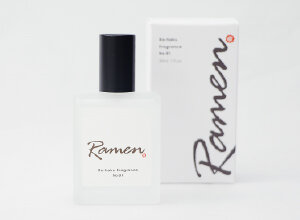
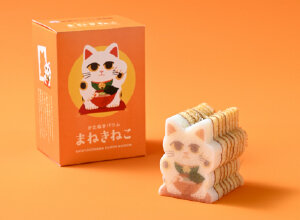
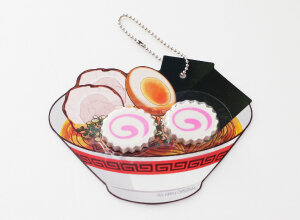
In addition to take-home ramen supervised by each shop owner, the shop sells plenty of conversation-starting items—quirky perfumes and lip balms, baked treats, stationery, and more. Perfect souvenirs to remember your visit.
Essential Visitor Info (2025)
Admission (same-day)
• Adults (19+): ¥450
• Children 6–18 / Seniors 65+: ¥100
• Preschoolers: free
• Annual pass: digital ¥500 / card ¥800
• Groups (15+): Adults ¥400, Children/Seniors ¥50
Re-entry is allowed: ask for a same-day stamp at 1F Information if you plan to pop out and come back. Hours and pricing can change, so check the official page before your visit.
Hours (typical)
• Weekdays 11:00–21:00
• Weekends/holidays 10:30–21:00
Last orders at ramen shops are about 30 minutes before closing. The museum usually closes on Dec 31 and Jan 1; temporary changes may occur.
Facilities & Policies
- One bowl per person (junior-high age and up) at each shop; use mini ramen for tasting multiple places.
- No outside food or drinks.
- Non-smoking indoors (except designated spots).
- Free Wi-Fi and cashless accepted, but a few spots like the dagashi shop or some vending machines may be cash-only—carry coins.
- Baby chairs, kids’ tableware, elevators, multipurpose restrooms, diaper-changing stations, and a limited number of wheelchairs available
Getting There & Parking
By train + on foot:
- About 5 minutes on foot from Shin-Yokohama Station (Shinkansen / JR Yokohama Line / Municipal Subway)
- About 1 minute on foot from Exit 10 of Shin-Yokohama Station (Sotetsu–Tokyu Shin-Yokohama Line / Municipal Subway)
- Underground passage → Exit 10 → turn left at the first traffic light → turn right just past FamilyMart → it’s the fourth building on the left
- From Yokohama Station (for reference): about 11 minutes by subway; about 15 minutes via JR or Tokyu lines
Parking
- Affiliated paid parking (building floors 2–7 and rooftop; 175 spaces)
- Rates: ¥250 per 30 minutes; 30-minute discount with museum use; same-day maximum ¥2,600
- No entry/exit between 00:00 and 06:00; cash payment only
- Vehicle limits: height 2.1 m / width 1.8 m / length 5 m
Frequently Asked Questions
Q. Can I re-enter after leaving?
A. Yes. Get a same-day stamp at 1F Information so you can step out and come back later.
Q. Do all shops serve mini ramen?
A. Many do, but size and availability vary by shop. Ask before ordering.
Q. Are vegetarian/vegan or allergy-aware options available?
A. The museum highlights vegetable-based ramen and provides guidance, but treat it as orientation rather than an allergen label. Always confirm on the day with staff and check the counter notices
Q. Is there English support?
A. Yes. There’s an English website and floor guides, plus multilingual ticket machines (English, Traditional/Simplified Chinese, Korean, Thai
Q. Is it family-friendly?
A. Very. Elevators, baby chairs, kids’ tableware, multipurpose restrooms, kamishibai shows, and the dagashi shop make it easy with children.
Wrap-Up
The Shin-Yokohama Ramen Museum is a time capsule where you taste regional ramen, grasp the history behind each bowl, roll noodles by hand, and wander a 1958 streetscape that hums with nostalgia.
New limited-time shops and menus appear through the year, so every visit can be a different chapter in the same delicious story.
For ramen fans — and anyone curious about the culture behind Japan’s most beloved comfort food — Ra-Haku is a must-eat, must-learn, must-play stop.
Why not visit Ra-Haku, a spot you can enjoy again and again?
The Japanese version of this article is here.↓↓↓