Introduction
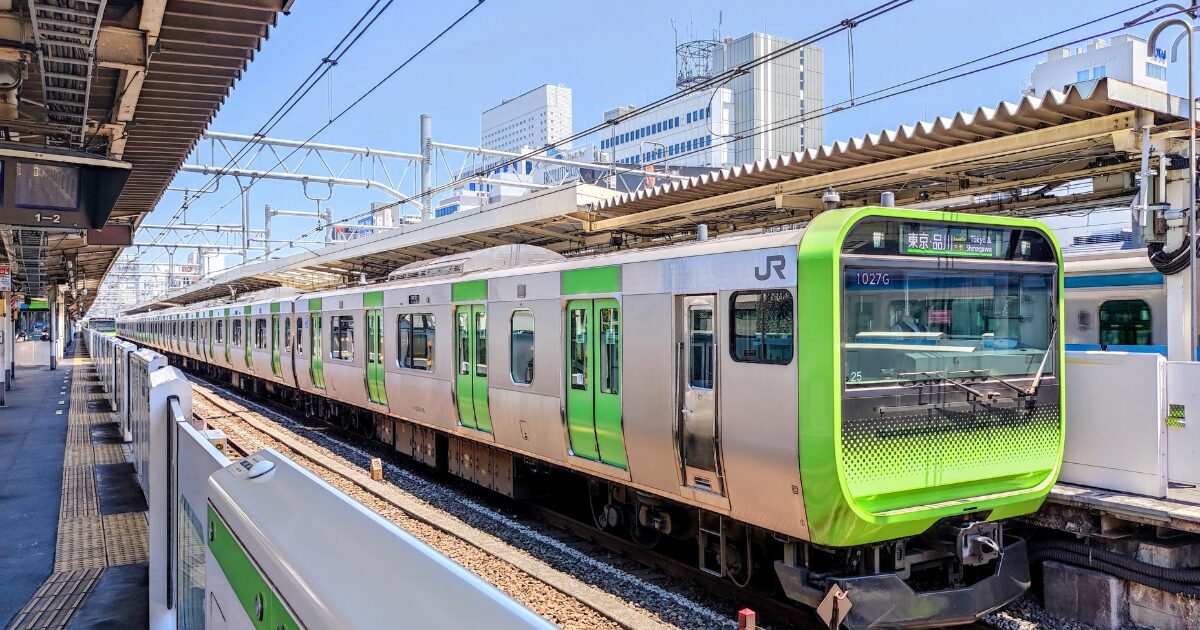
For many visitors, Japanese trains on time are more than a stereotype—they show how precision and respect shape everyday life. Shinkansen arrive within seconds of schedule, station clocks move in perfect rhythm, and commuters board in calm order. This punctuality isn’t magic. It reflects Japan’s culture, engineering, and a deep respect for time.
The Culture Behind Japanese Trains on Time

Japan’s focus on punctuality runs deep in daily life. From school bells to work schedules, arriving on time means showing respect for others. Being late, even a little, often feels inconsiderate.
Because of this mindset, the same discipline guides public transport. Train companies treat a one-minute delay as a service failure. In 2017, Tsukuba Express even apologized for leaving 20 seconds early. The world was surprised, but people in Japan saw it as normal. This dedication helps make Japanese trains on time a global standard of reliability.
Precision Engineering and Scheduling
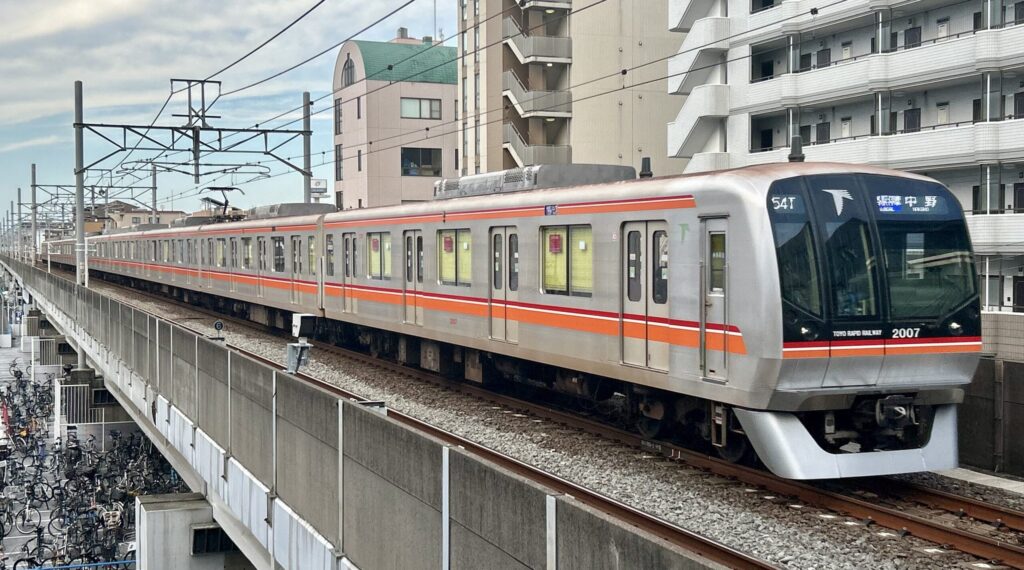
Cultural discipline works hand in hand with advanced engineering. Japan’s rail network—especially the Shinkansen—runs with millimeter-level accuracy. Sensors check track temperature and wheel alignment, while automated systems adjust performance in real time.
Planners schedule every stop and door-open time to the second. Decades of data guide each decision. JR Central reports that the average delay per train is less than half a minute a year. Such precision proves how technology keeps Japanese trains on time.
Teamwork That Keeps Japanese Trains on Time
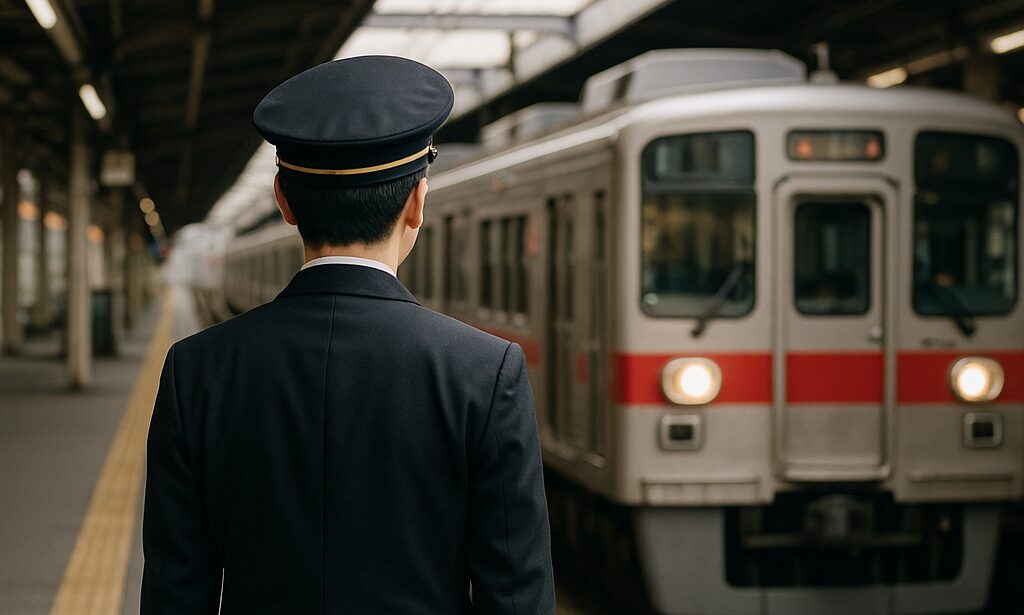
Technology matters, but teamwork makes the system flawless. Station crews practice Shisa Kanko (“pointing and calling”) to stay alert. Conductors point to signals and clocks while calling out checks aloud.
This early-20th-century method cuts human error by about 85%. Everyone—from cleaners to conductors—moves in perfect sync. Thanks to this coordination, a Shinkansen can be cleaned and ready in only seven minutes. Teamwork keeps Japanese trains on time every day.
Crisis Management and Reliability
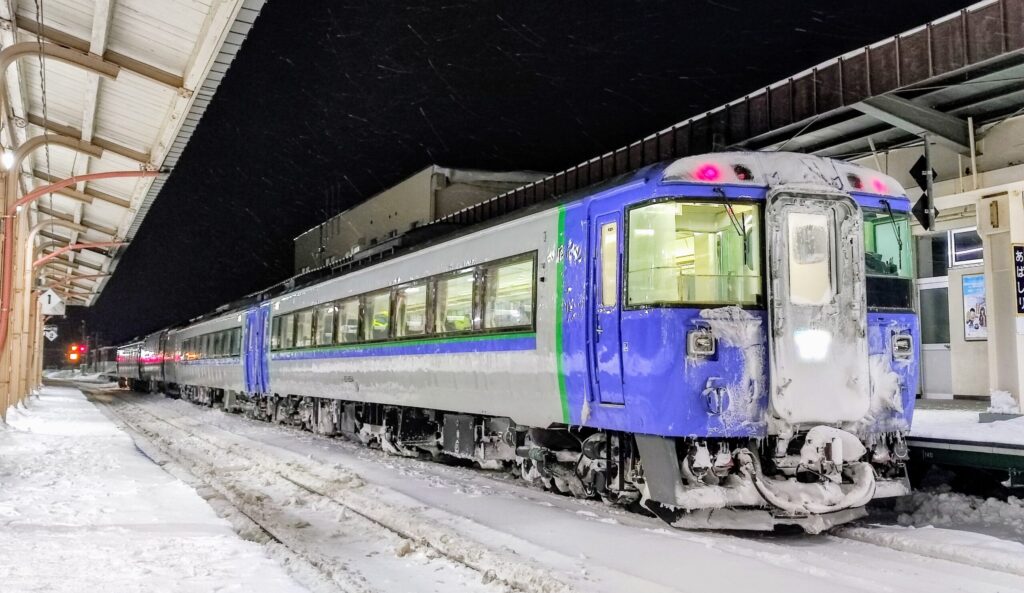
Even during earthquakes, typhoons, or heavy snow, Japan’s trains rarely stop for long. The country’s early-warning system halts Shinkansen seconds before tremors arrive. When delays happen, staff act fast.
Stations show real-time updates, distribute delay certificates (chien shoumei), and suggest alternate routes. This clear communication builds public trust. As a result, Japanese trains on time remain dependable even in a crisis.
Punctuality as a Reflection of Society
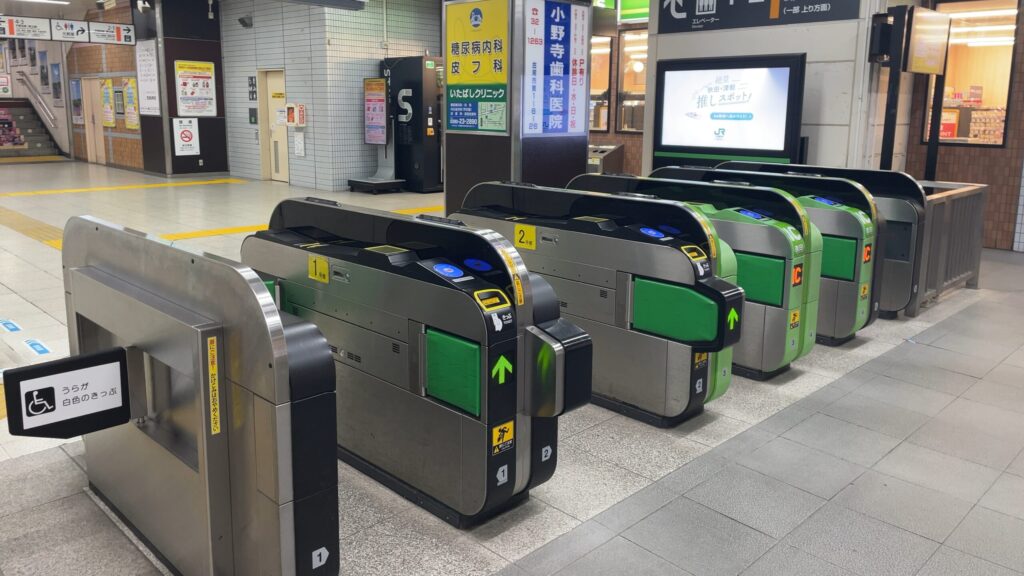
Japanese trains on time reflect more than technology—they mirror shared values. The belief that “time belongs to everyone” shapes social harmony. People line up neatly, ride quietly, and move together with efficiency.
While many Western cultures favor flexibility, Japan prizes balance and cooperation (wa). Each passenger contributes to the system’s rhythm. The train’s reliability represents etiquette, pride, and identity.
Conclusion
Japan’s trains don’t rely on luck; they rely on trust, respect, and discipline. Every arrival keeps a promise—to be on time for one another. In a world used to delays, Japanese trains on time remain a quiet but powerful symbol of national character.
The Japanese version of this article is here.↓↓↓