Introduction
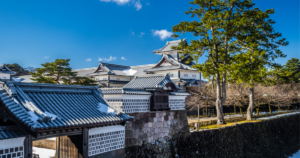
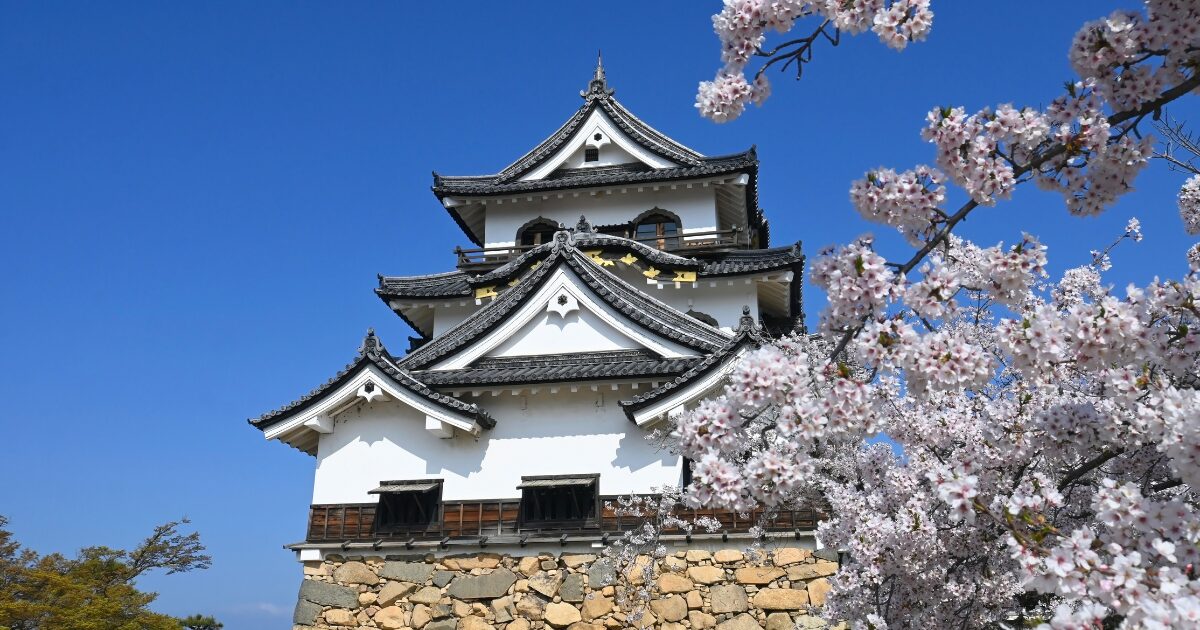
Overlooking Lake Biwa from a gentle hill, Hikone Castle gleams with white walls that catch the sun and centuries of memory.
This National Treasure of Japan was built in the early 1600s by the loyal retainers of Ii Naomasa, one of Tokugawa Ieyasu’s famed Four Generals.
Completed by his sons Naotsugu and Naotaka, the castle became both a bastion of defense and a monument to loyalty.
Today, its elegant three-tiered keep rises above peaceful gardens and an Edo-style townscape where tradition still lives.
Hikone Castle remains one of Japan’s most beloved historical landmarks — a place where architecture, history, and humanity converge in quiet dignity.
This guide introduces its origins, the Ii family’s legacy, structural ingenuity, surrounding town, and practical access — so that every visitor can see beyond the white walls to the spirit they represent.
As of 2025, the following five castles in Japan are officially designated as National Treasures and remain standing in their original form:
- Himeji Castle (Himeji City, Hyōgo Prefecture) — also a UNESCO World Heritage Site
- Matsumoto Castle (Matsumoto City, Nagano Prefecture)
- Inuyama Castle (Inuyama City, Aichi Prefecture)
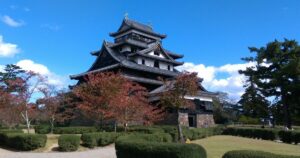
- Matsue Castle (Matsue City, Shimane Prefecture)
- Hikone Castle (Hikone City, Shiga Prefecture)
The Meaning of “National Treasure”
A National Treasure is a special title given to cultural properties of exceptional value in Japan.
It applies not only to castles, but also to temples, shrines, paintings, and statues of the Buddha.
In the case of castles, specific buildings such as the tenshu (main keep), yagura (turrets), gates, or walls are designated as National Treasures.
In other words, it is not the entire castle complex that is designated, but certain structures that possess outstanding historical and architectural value.
How Are They Chosen?
Only castles that meet the following three conditions are recognized as National Treasures:
- Historical Importance
The castle must have significant connections to major periods or events in Japanese history. - Architectural Excellence
The design, structure, and construction techniques must represent the highest level of craftsmanship of their time. - State of Preservation
Even after restorations, much of the original material and form must remain intact.
What Is a “Genzon Tenshu” (Original Keep)?
A genzon tenshu refers to a castle keep built centuries ago that has survived fires, wars, and natural disasters without being destroyed.
Although Japan once had over a hundred castles, only twelve still have their original keeps today.
All five National Treasure castles are among these twelve.
That means you can still see, with your own eyes, wooden beams, nails, and white plaster walls that were crafted hundreds of years ago.
Why Only Five?
In the Meiji period, the Japanese government issued the Castle Abolition Ordinance (Haijōrei), leading to the demolition of many castles.
Later, wars, fires, and earthquakes destroyed even more.
Amid these losses, only five castles managed to survive almost exactly as they were built.
Through repeated repairs and careful preservation, these five have been protected as true “Treasures of Japan.”
National Treasure castles are not merely tourist attractions.
They are living cultural properties—testimonies to Japan’s history, architecture, and the enduring dedication of the people who preserved them.
Each castle carries its own story, standing as a bridge between the past and the present.
If you ever have the chance, visit them and feel the centuries of history that still live within their walls.
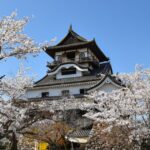
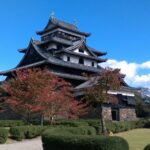
A Castle for Peace after War

Ii Naomasa’s Vision
Following the Tokugawa victory at Sekigahara (1600), Ii Naomasa was granted 180,000 koku of land around Hikone.
He began planning a new stronghold to secure the route between Kyoto and Edo, but died before construction started.
His sons continued his dream, beginning work in 1604 and finishing around 1622.
Inherited Craftsmanship and Urban Planning
Timber and stone from dismantled castles such as Sawayama and Ōtsu were reused — a practical decision and a symbol of continuity.
Under Ii Naotaka, the surrounding town was carefully laid out with moats, canals, and merchant districts.
Thus Hikone grew as both fortress and thriving cultural center, its prosperity linked to Lake Biwa’s waterways.
The Ii Clan and the Turning Points of Japan
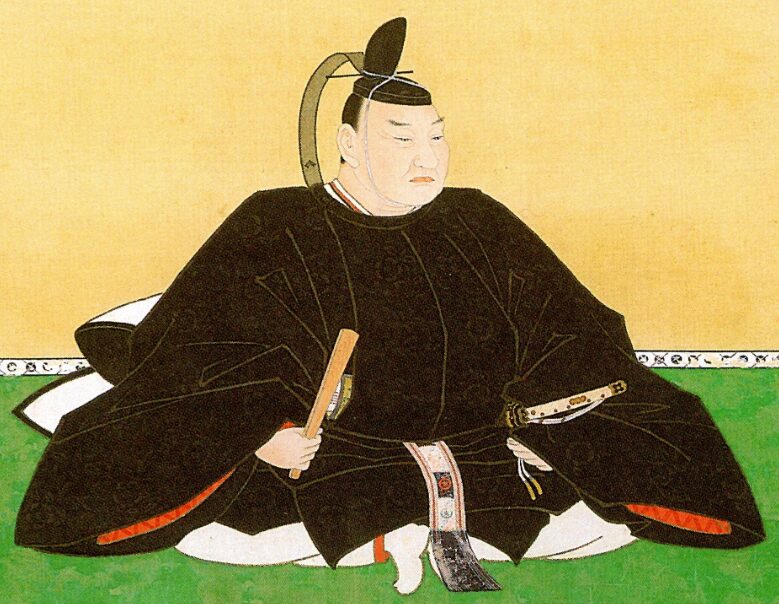

The Courage of Ii Naosuke
Centuries later, Ii Naosuke, the clan’s fifteenth lord, faced a different kind of battle.
As Tairō (Chief Minister) of the shogunate, he confronted the Western powers pressing Japan to open its ports.
Believing isolation would lead to ruin, he signed the Treaty of Amity and Commerce with the United States in 1858, beginning Japan’s modernization.
His decision ignited fierce opposition, and in 1860 he was assassinated in the Sakuradamon Incident.
Yet his moral courage — choosing progress over popularity — made him a symbol of integrity.
Statues and exhibits around the castle honor his resolve and keep his story alive.
Loyalty and Balance
The Ii family served the Tokugawa for 250 years, their governance marked by prudence and order.
The castle’s geometry, its calm white surfaces and measured proportions, mirror that same spirit: strength expressed through restraint.
Architecture of Beauty and Defense
The Three-Story Keep

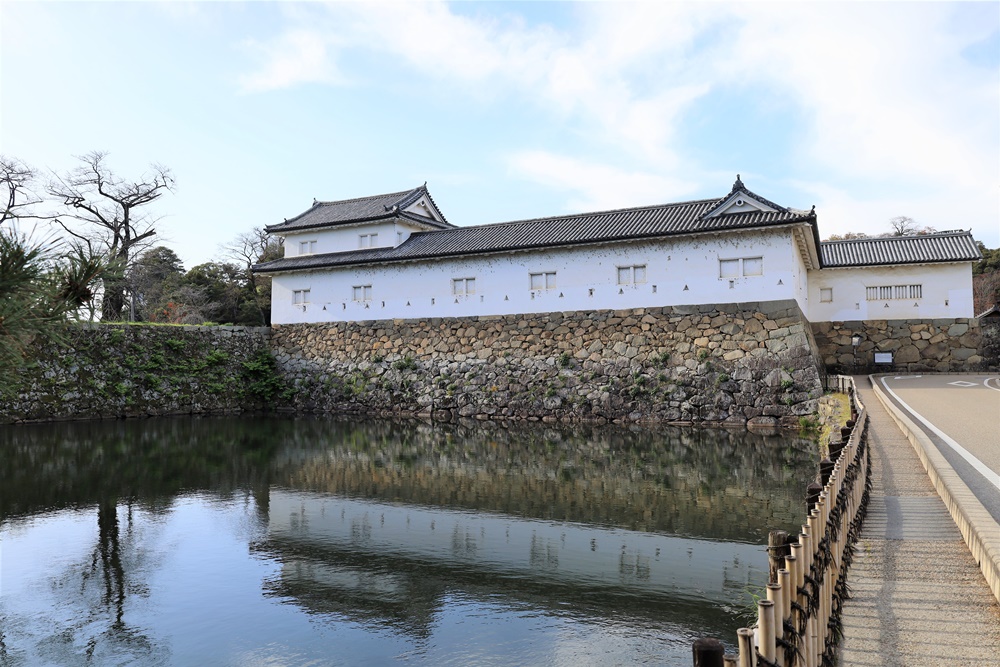
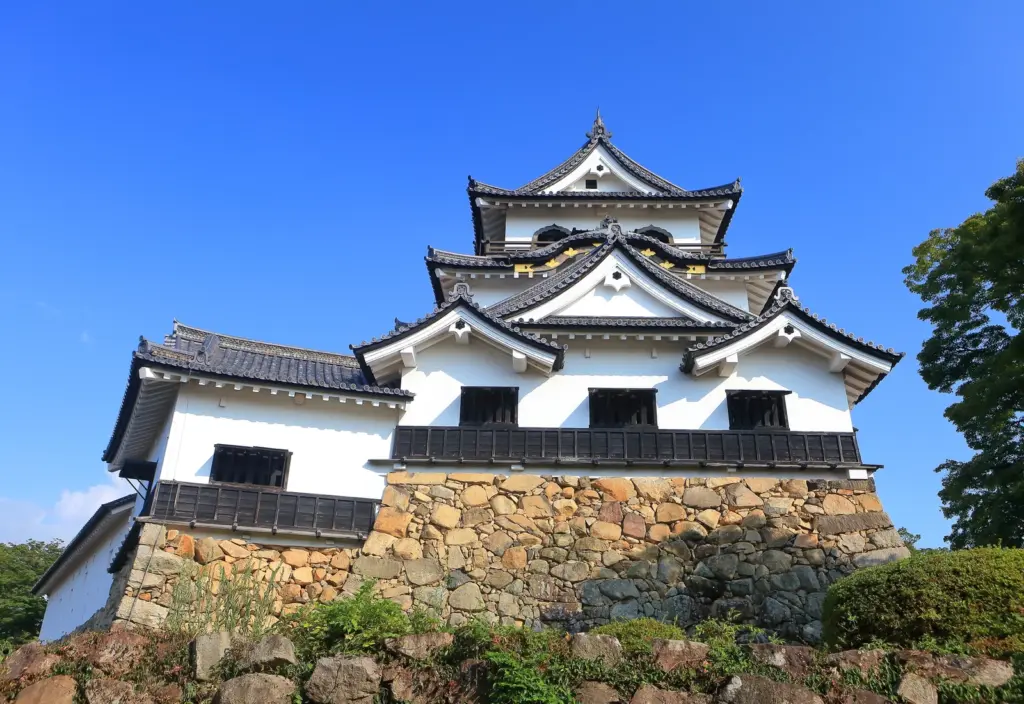
The main keep of Hikone Castle combines elegance with tactical design.
Its triple roofs curve gracefully in chidori hafu and karahafu styles, while the bright plaster resists both moisture and fire.
Inside, narrow stairs and confined passages limit attackers, and hidden chutes allow stones to be dropped on invaders.
What appears serene from afar conceals a warrior’s mind within.
Tenbin-yagura and the Stone Walls
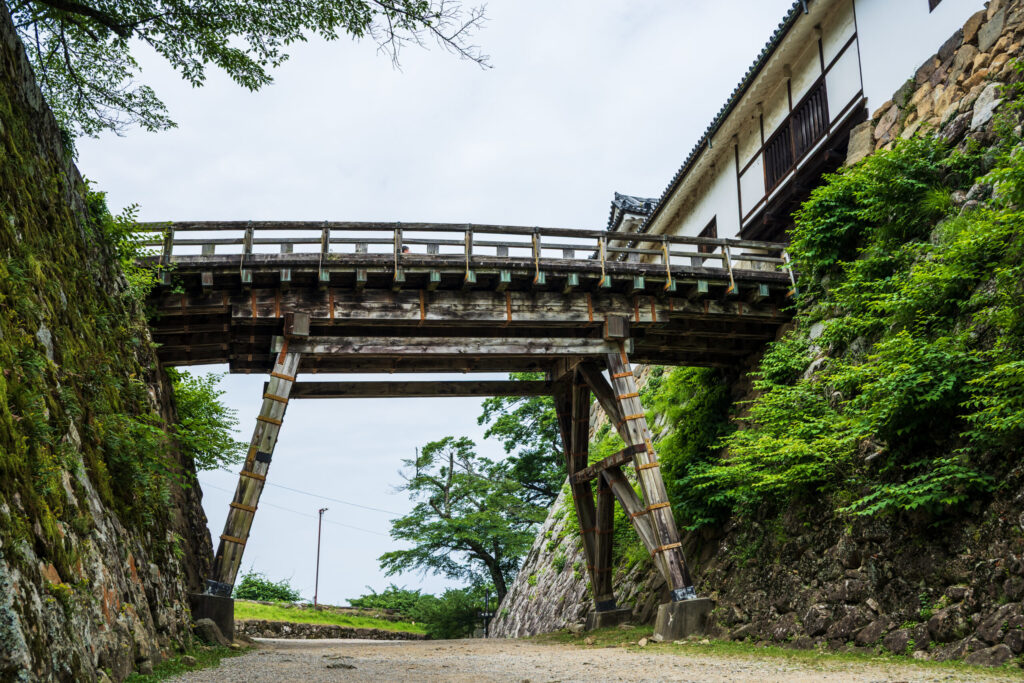
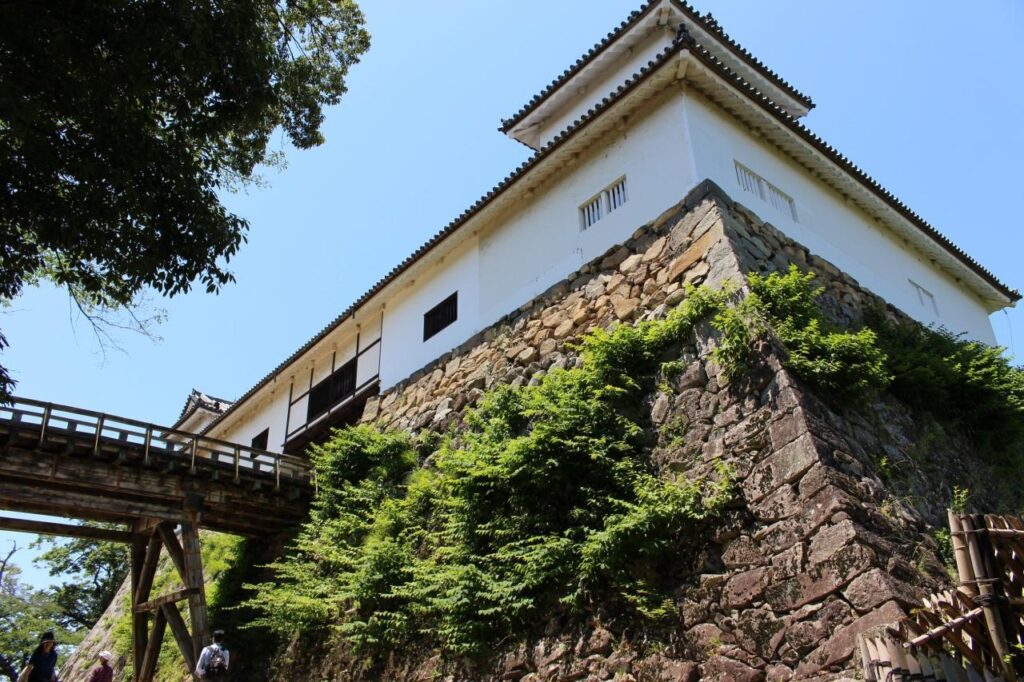
One of Hikone’s icons, the Tenbin-yagura (“Balance Turret”), stands on a ridge with a bridge at its center.
In wartime the bridge could be destroyed, isolating the enemy.
Its perfect symmetry embodies functional beauty.
The surrounding stone walls, built using the gobō-zumi method — long stones driven deep into the earth — remain astonishingly stable even today.
Saved by Imperial Command
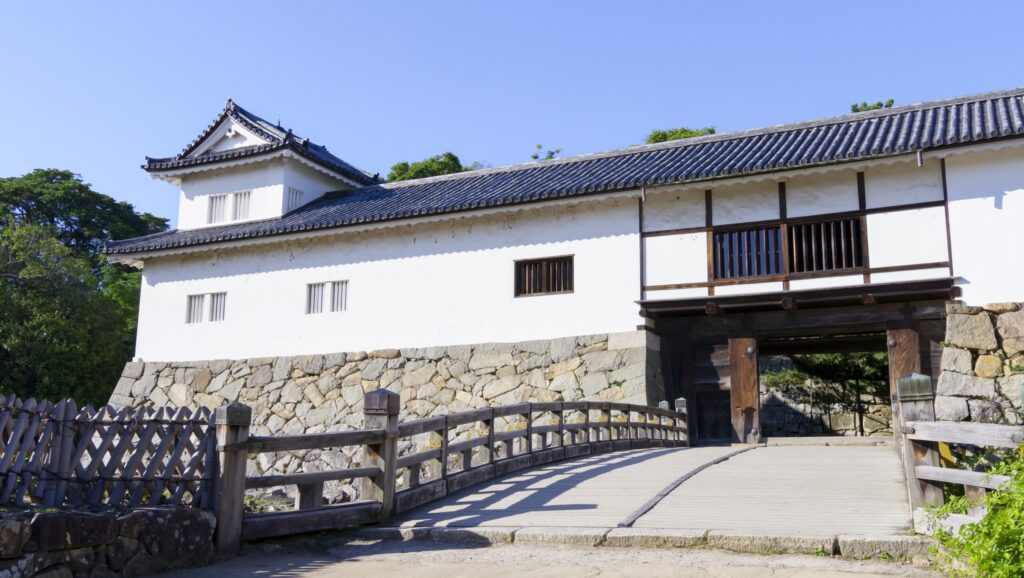
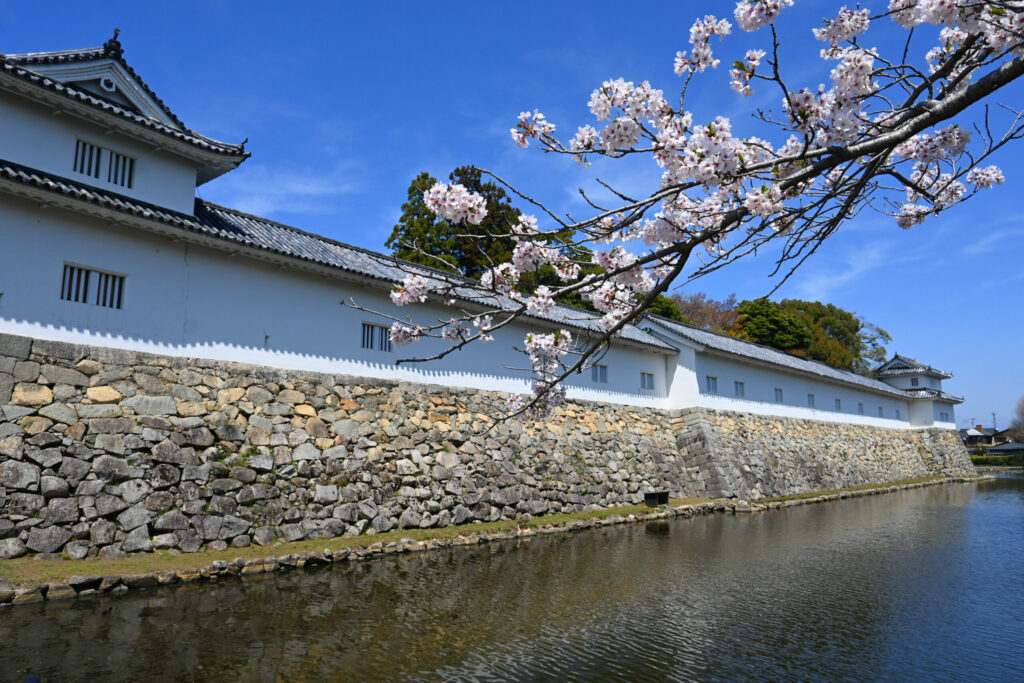
In the 1870s, Hikone Castle faced demolition under the new Meiji government’s Haijō Rei.
During Emperor Meiji’s visit to nearby Ōtsu, he glimpsed the castle and was so impressed by its beauty that he ordered it preserved.
That imperial remark saved the structure, allowing it to survive as one of Japan’s twelve original castles and a National Treasure since 1952.
The Castle Town and the Four Seasons

Genkyū-en Garden — Refined Tranquility
North of the keep lies Genkyū-en Garden, once a villa for the Ii lords.
Designed as a strolling pond garden, it frames the castle’s reflection in the water.
Tea houses such as Hōshō-dai offer matcha and seasonal sweets — a taste of the Edo elite’s calm pleasures.
Yume Kyōbashi Castle Road
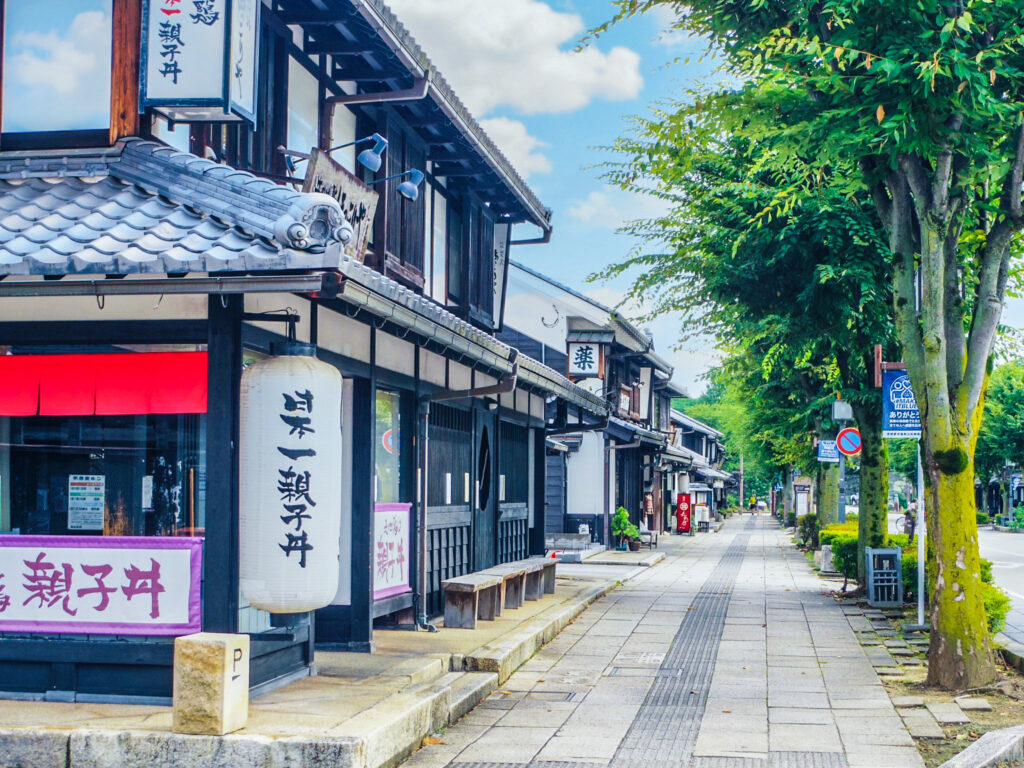
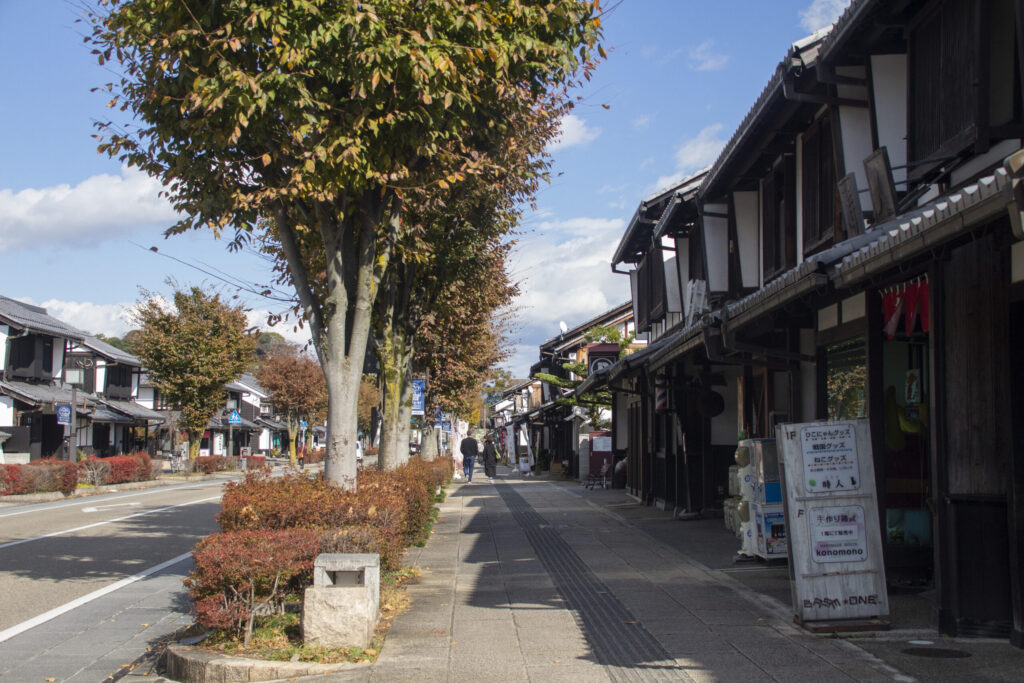
South of the castle spreads Yume Kyōbashi Castle Road, where white-walled townhouses and lattice windows recreate the Edo atmosphere.
Shops sell Ōmi-gyū beef croquettes, sake, and wagashi; the friendly mascot Hikonyan often greets visitors.
This living street embodies the peace that replaced warfare — a continuation of the castle’s gentle philosophy.
The Seasons of Hikone
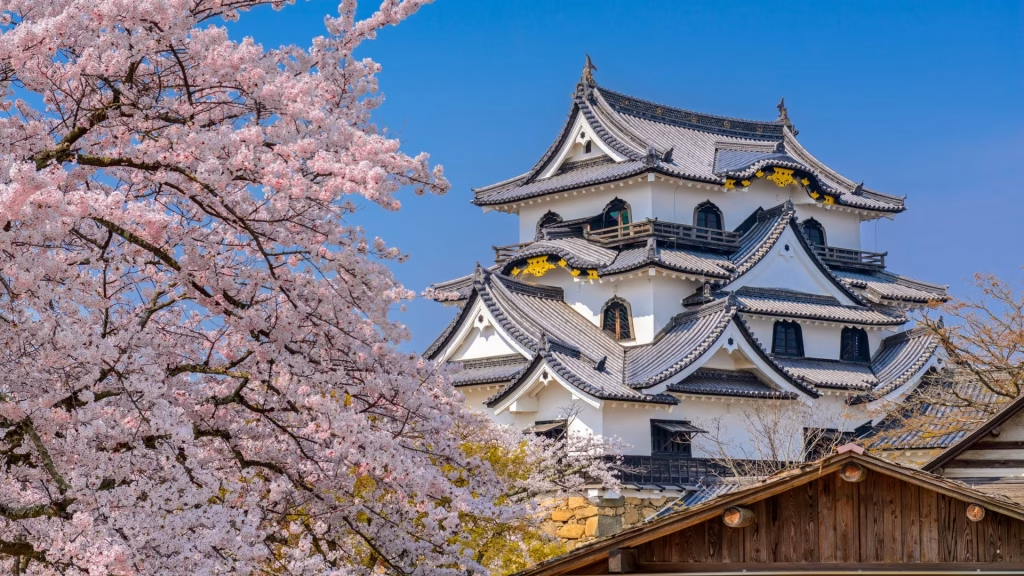
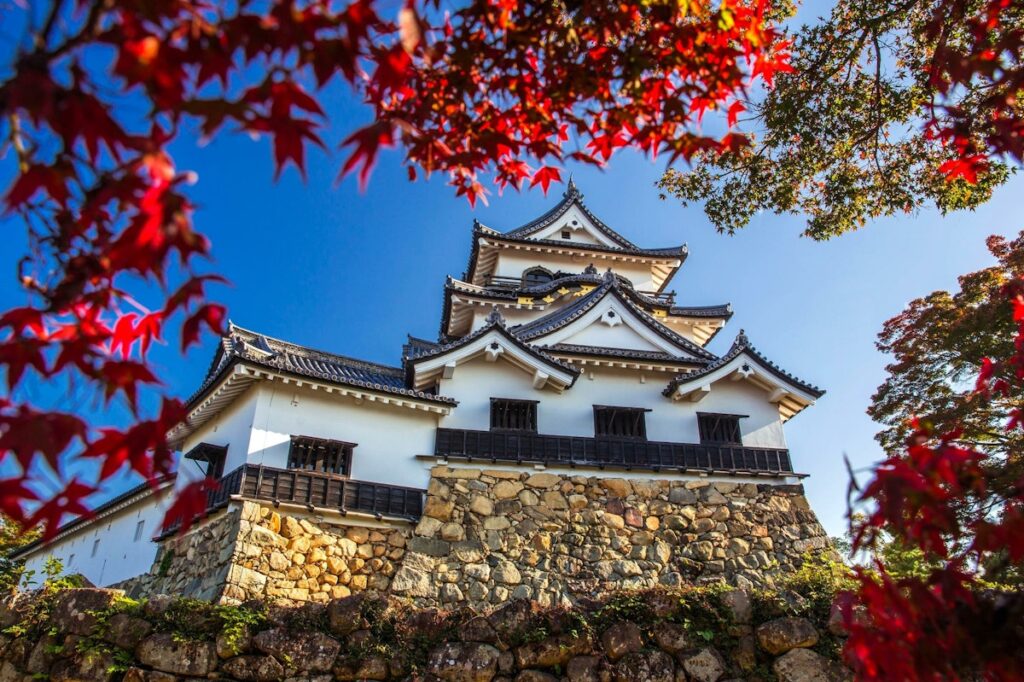
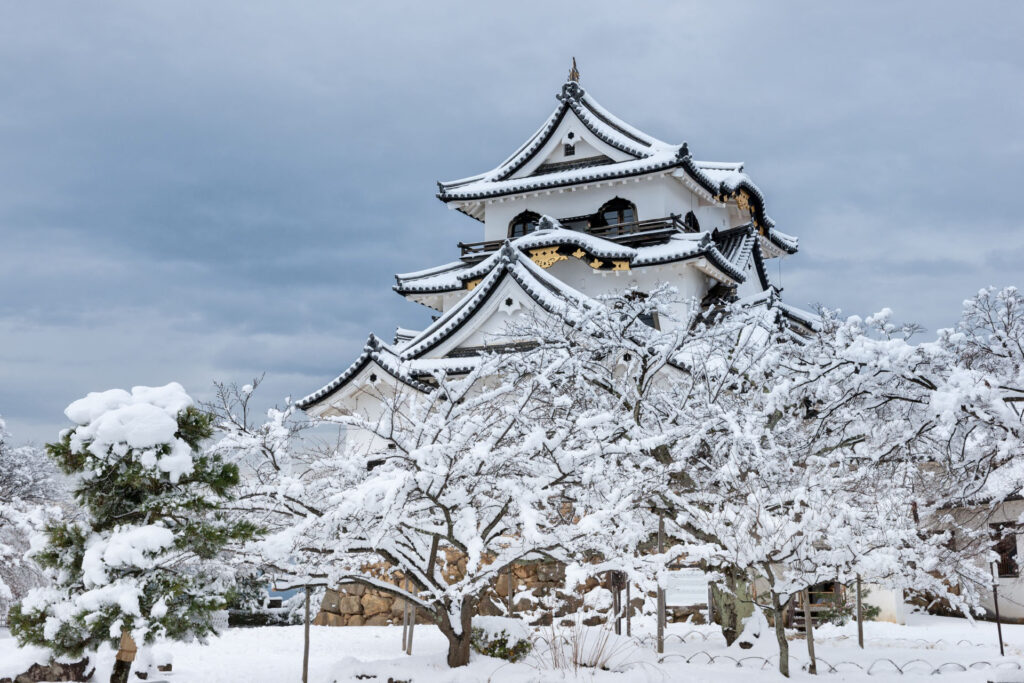
- Spring: More than 1,200 cherry trees bloom; the illuminated keep glows above the moat.
- Summer: Blue sky, green water, and white walls form a brilliant triad.
- Autumn: Maples in Genkyū-en flame scarlet beside the mirrored tower.
- Winter: Snow muffles the city; the keep becomes an ink-wash dream.
Each season, the harmony of Hikone Castle renews its message of balance between nature and humankind.
Access & Visitor Information

Location:
1-1 Kinkame-chō, Hikone City, Shiga Prefecture
Access:
15 min walk from JR Hikone Station
Hours:
8:30 a.m.–5:00 p.m. (last entry 4:30 p.m.)
Admission:
Adults ¥800 / Children ¥200
Closed:
Open year-round (except during severe weather)
Nearby Attractions:
Hikone Castle Museum, Genkyū-en Garden, Yume Kyōbashi Castle Road
Local Flavors:
Ōmi beef dishes, traditional wagashi from Umoregi-no-ya shop, local sake “Hikone Junmai.”
Official Website of the National Treasure Hikone Castle
Conclusion – Honor within Silence
Hikone Castle stands for integrity.
Its white walls symbolize purity; its calm design, order and discipline.
Lord Ii Naosuke’s decision to open Japan reflected that same courage — the belief that true loyalty sometimes means facing change.
As sunlight glances off the plaster walls and the waters of Lake Biwa shimmer below, the castle whispers a timeless lesson:
beauty endures when it is guarded by sincerity,
and peace, once earned, must be tended with quiet strength.
The Japanese version of this article is here.↓↓↓