Introduction — Discover the Magic of Autumn Leaves Japan
Every year, from mid-October through early December, Japan turns into a living canvas painted in fiery red, orange, and gold.
This transformation is known as autumn leaves Japan — a phrase that captures not only the colors of fall but also the mood of reflection and serenity that defines the season.
In 2025, meteorological forecasts indicate that the peak of fall foliage will arrive slightly later than usual across most of Japan due to warmer early autumn temperatures and mild nights. This means that travelers visiting in late November and even early December will have more chances to see nature at its most colorful.
Among hundreds of viewing spots, three destinations stand above all: Kyoto, where history and art meet the season; Nikko, where sacred mountains and waterfalls ignite in red; and Mt. Takao, Tokyo’s quick and easy escape for autumn beauty.
Let’s explore these timeless landscapes that define autumn leaves Japan.
1. Kyoto — The Eternal Capital of Autumn
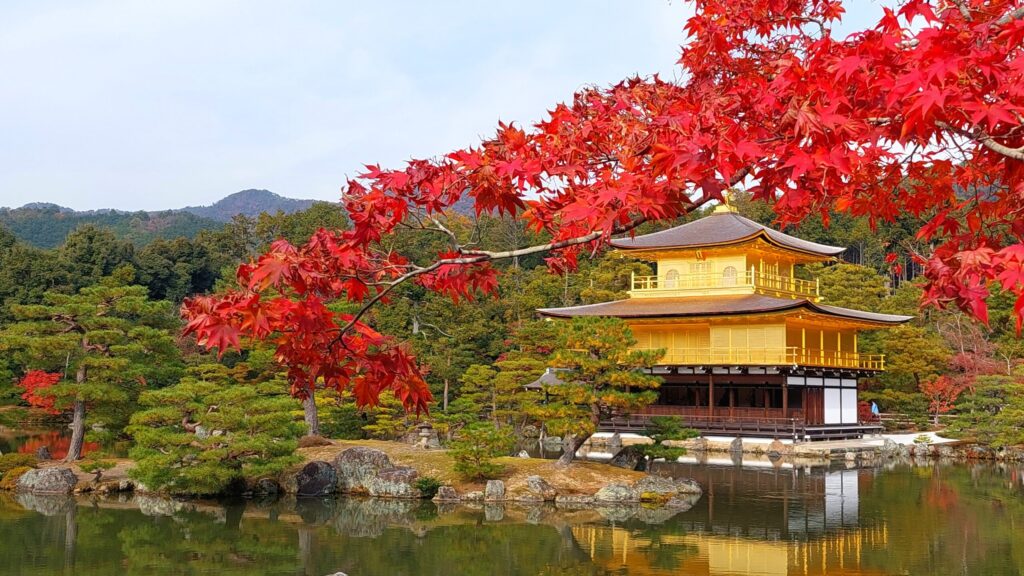
Kyoto is the beating heart of autumn leaves Japan, a city where ancient temples and quiet gardens merge seamlessly with the natural rhythm of the seasons.
When autumn arrives, its wooden pagodas, moss gardens, and stone bridges glow under a canopy of maples — a sight that has inspired poets and painters for centuries.
Peak Season 2025
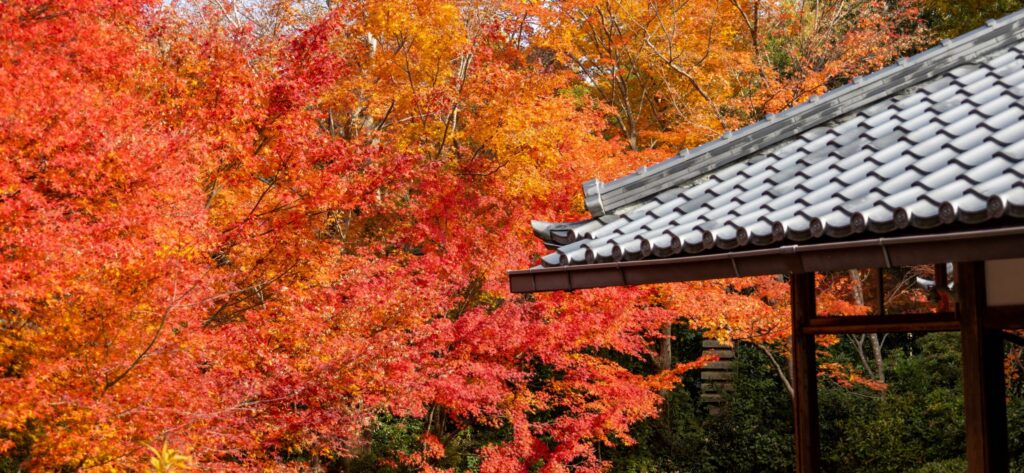
Forecasts from Japanese weather agencies suggest Kyoto’s foliage will reach its peak between November 20 and December 5, 2025, slightly later than the long-term average.
Higher areas such as Takao, Kurama, and Ohara begin coloring earlier in mid-November, while the city center — including Gion and Higashiyama — glows at its best around the final week of November.
Eikando (Zenrin-ji Temple) — The Temple of Autumn
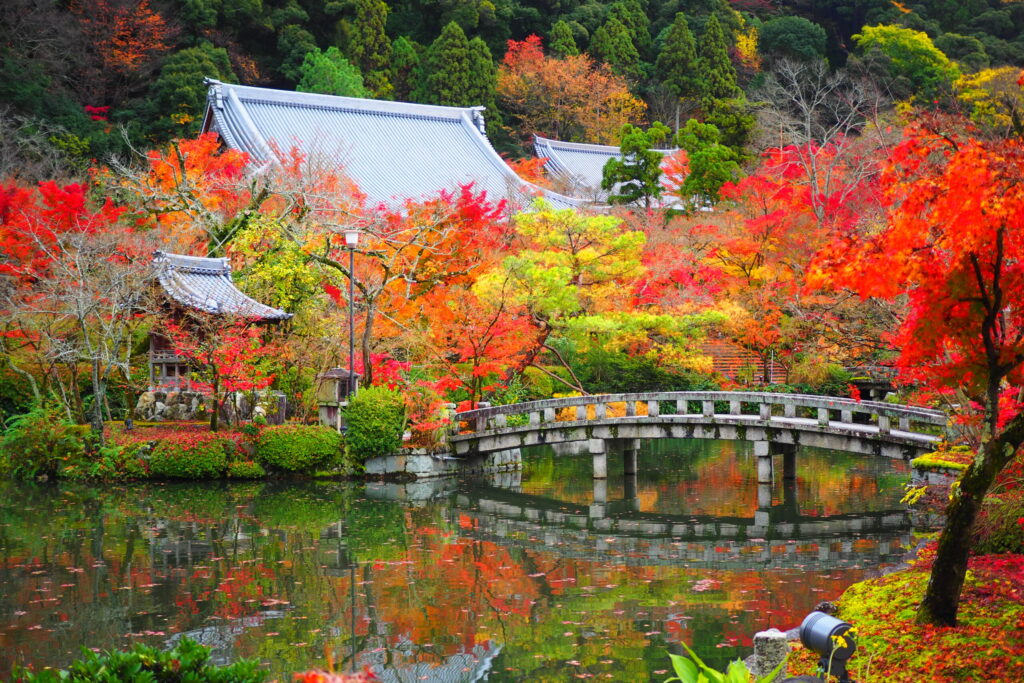
If there is one place that defines autumn leaves Japan, it is Eikando.
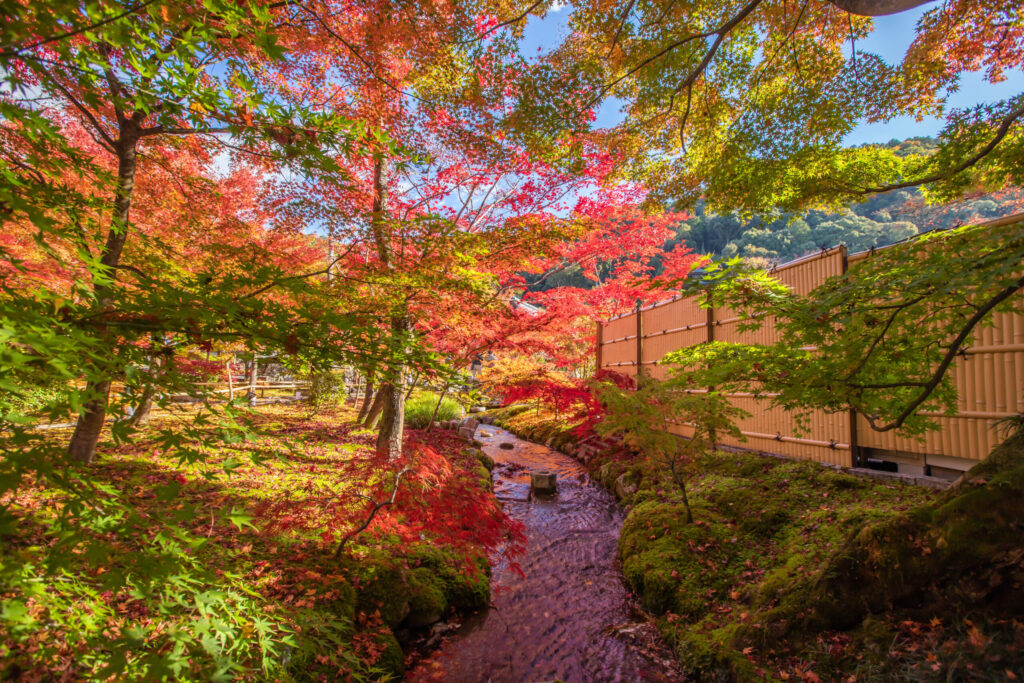
More than 3,000 maple trees embrace the temple grounds, surrounding the famous Tahōtō Pagoda and reflecting beautifully in the still waters of Hojo Pond.
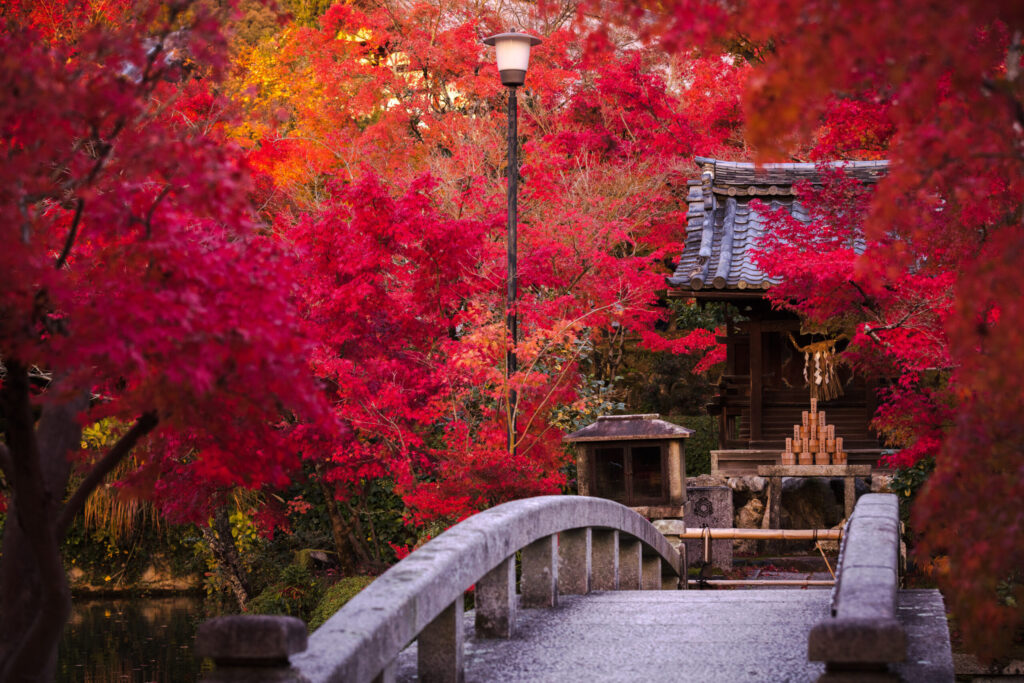
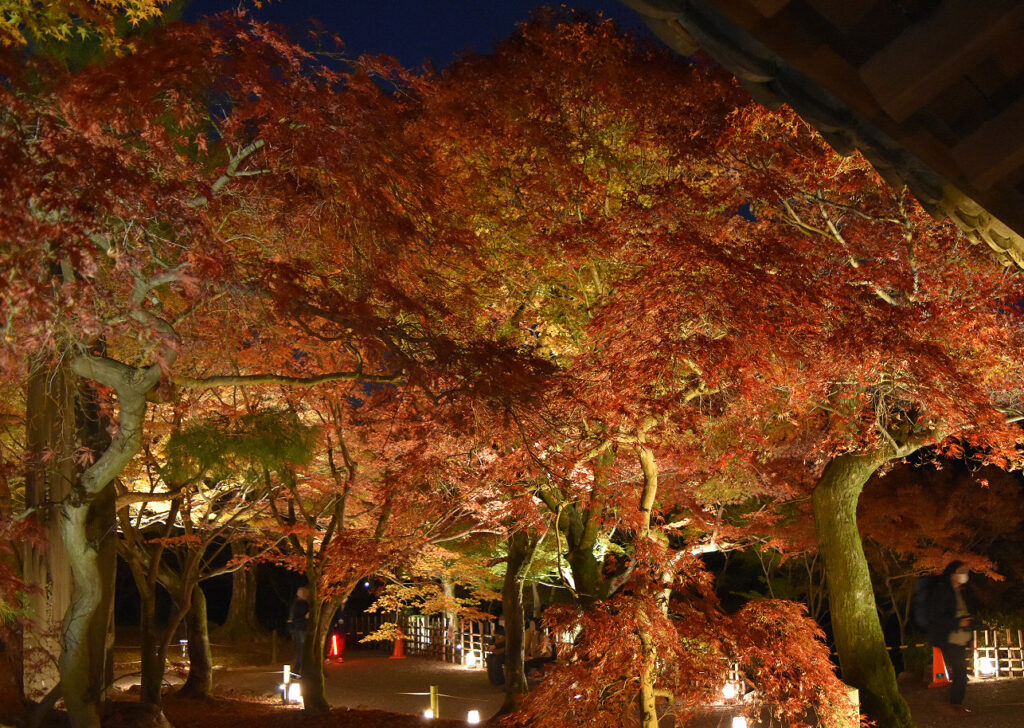
In 2025, the temple will again hold its annual night illumination from November 6 to December 3, when the reds and golds shimmer in the lantern light, creating an almost ethereal experience.
Access: Subway Tozai Line to Keage Station, then a 15-minute walk; or Kyoto City Bus No. 5 to Nanzenji Eikando-michi.
Tip: Arrive just before sunset to enjoy the shift from daylight to illumination — one of Kyoto’s most magical transitions.
Tofuku-ji Temple — A Sea of Crimson beneath Tsutenkyo Bridge
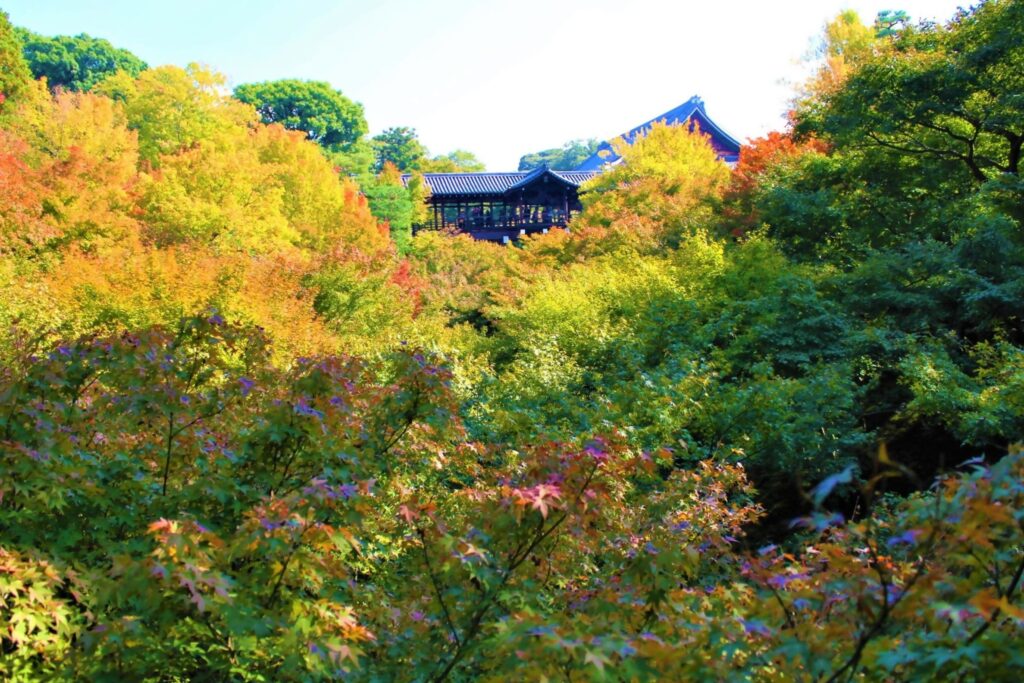
Tofuku-ji is another icon of Kyoto autumn. The view from the Tsutenkyo Bridge overlooking a valley of nearly 2,000 maple trees is breathtaking.
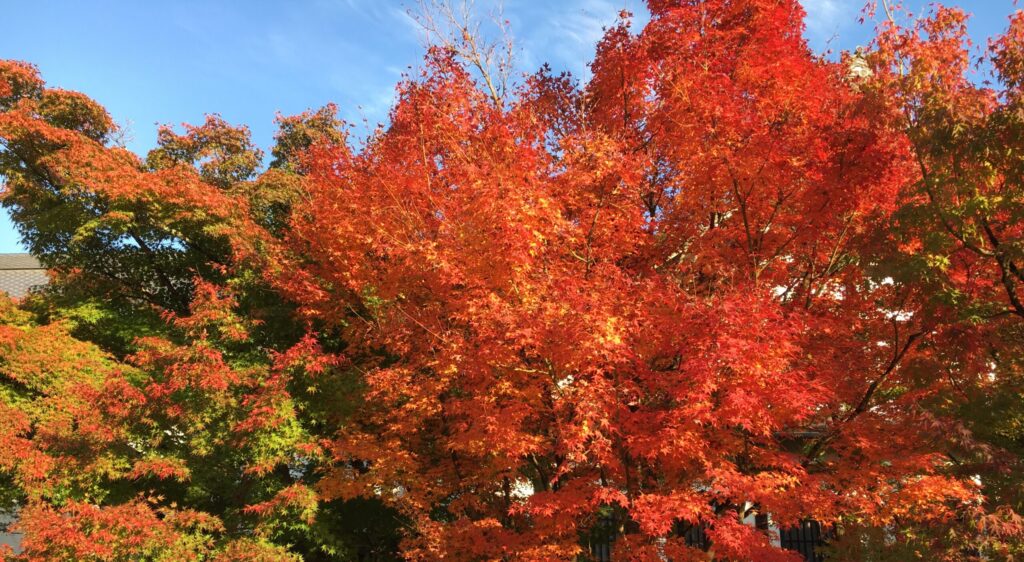
The deep crimson tones here result from a unique hybrid maple native to the temple grounds. In 2025, full color is expected between November 13 and 28.
Access: JR or Keihan Tofukuji Station, about a 10-minute walk.
Insider Note: Visit early in the morning (8:00–9:00) before crowds gather; morning light streaming through the leaves is perfect for photography.
Arashiyama — Where Mountains Meet the River
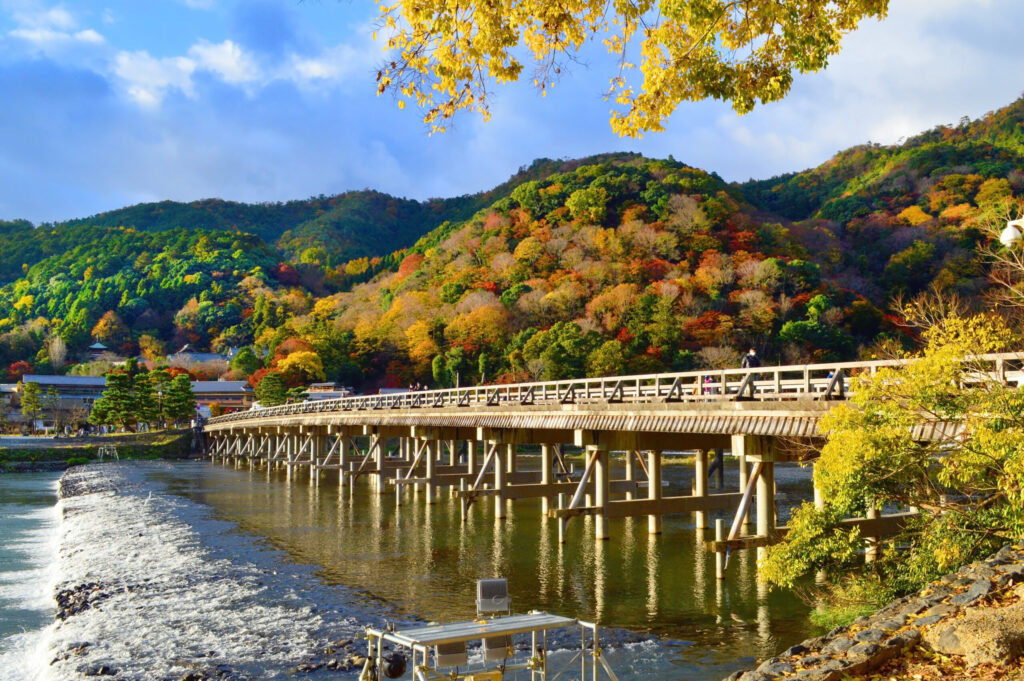
At the western edge of Kyoto, Arashiyama offers one of the most picturesque landscapes of autumn leaves Japan.
The mountains surrounding the Katsura River turn bright red and orange, and the Togetsukyo Bridge — first built in the 9th century — becomes a natural frame for this glowing panorama.
The Arashiyama Momiji Festival will take place on November 9, 2025, featuring Heian-era court performances on boats along the river.
Later in the season, the Arashiyama Hanatouro Light-up (early December) illuminates bamboo groves and riversides, wrapping the town in a golden glow.
Access: JR Saga-Arashiyama Station or Hankyu Arashiyama Station.
Tip: For a unique perspective, take the Sagano Scenic Railway through the mountains — its windows open to a tunnel of red leaves.
Kiyomizu-dera & Kodai-ji — Kyoto from Above
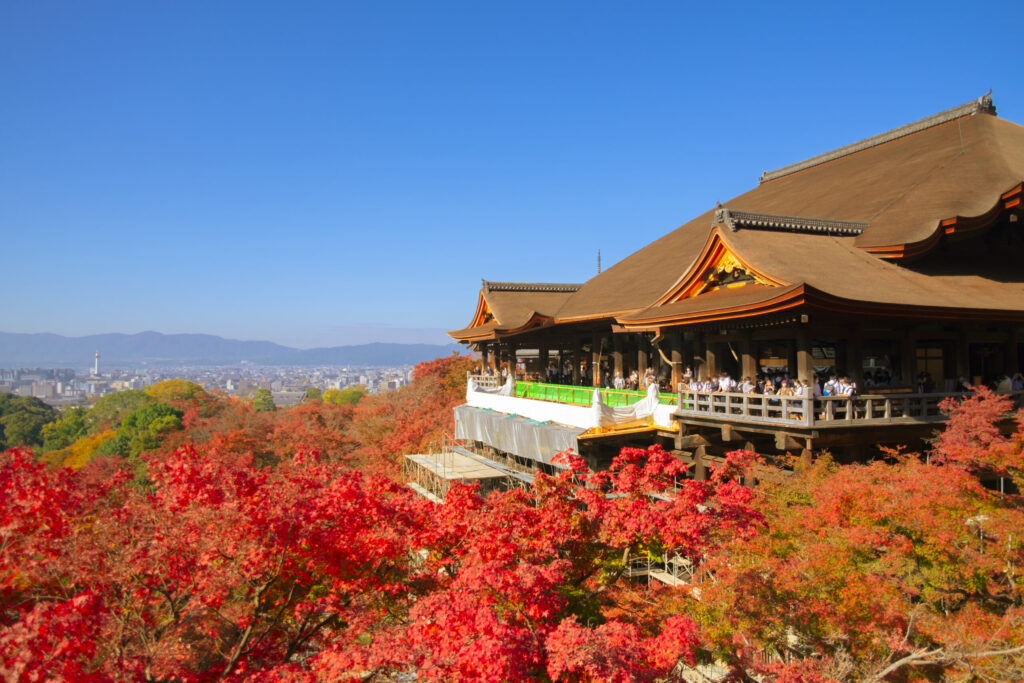
Kiyomizu-dera’s wooden stage, built without a single nail, overlooks a sea of fiery maple trees and the city beyond.
In 2025, its famous autumn light-up is expected between November 15 and December 1, illuminating both the temple and the hillside.
Nearby Kodai-ji Temple, known for its bamboo grove and zen gardens, also offers a refined and tranquil light-up during the same period.
Access: Bus No. 206 from Kyoto Station to “Gojozaka” or “Kiyomizu-michi,” then 10 minutes on foot.
Kitano Tenmangu Shrine — A Hidden Gem
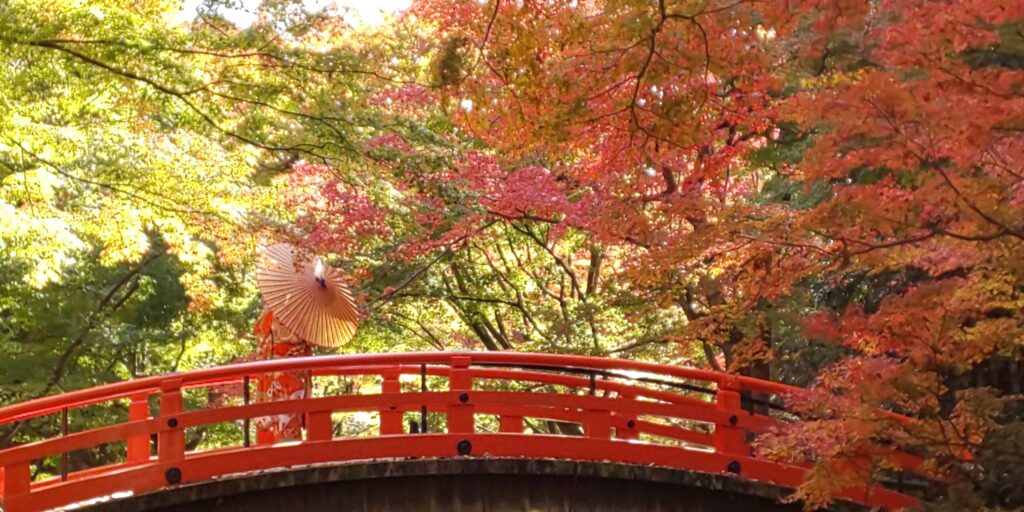
Far from the crowded temples, the Momiji-en Garden at Kitano Tenmangu offers a quieter experience.
Over 350 maples line the Kamiya River, turning brilliant shades from scarlet to gold.
The garden will open from October 25 to December 8, 2025, with evening illumination starting in mid-November.
Access: Kyoto City Bus No. 50 from Kyoto Station to “Kitano Tenmangu-mae.”
Why Kyoto Defines Autumn Leaves Japan
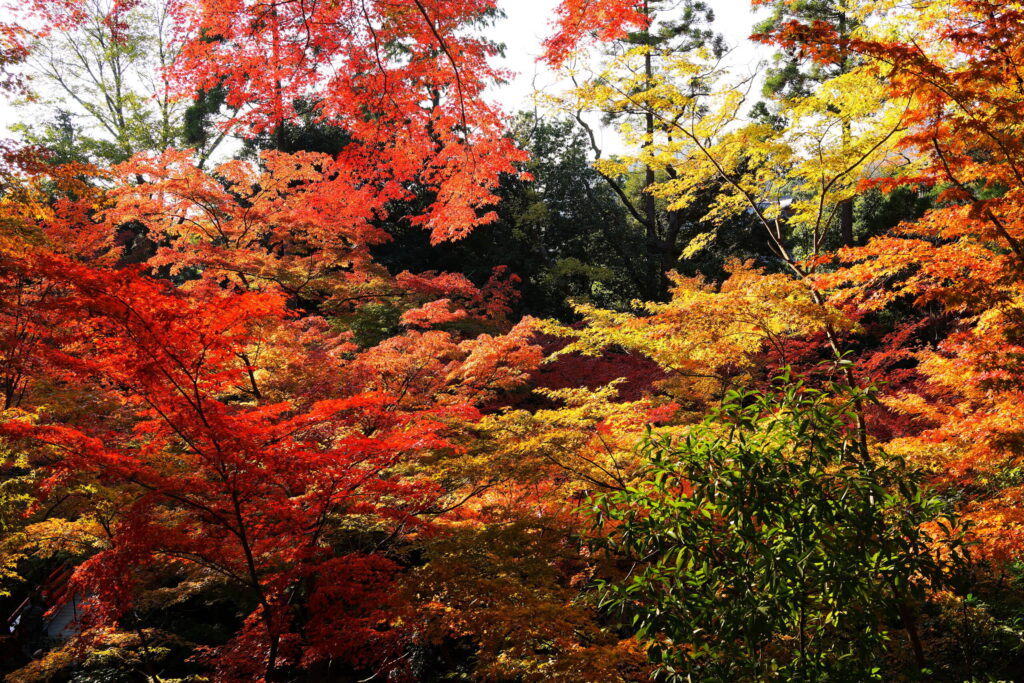
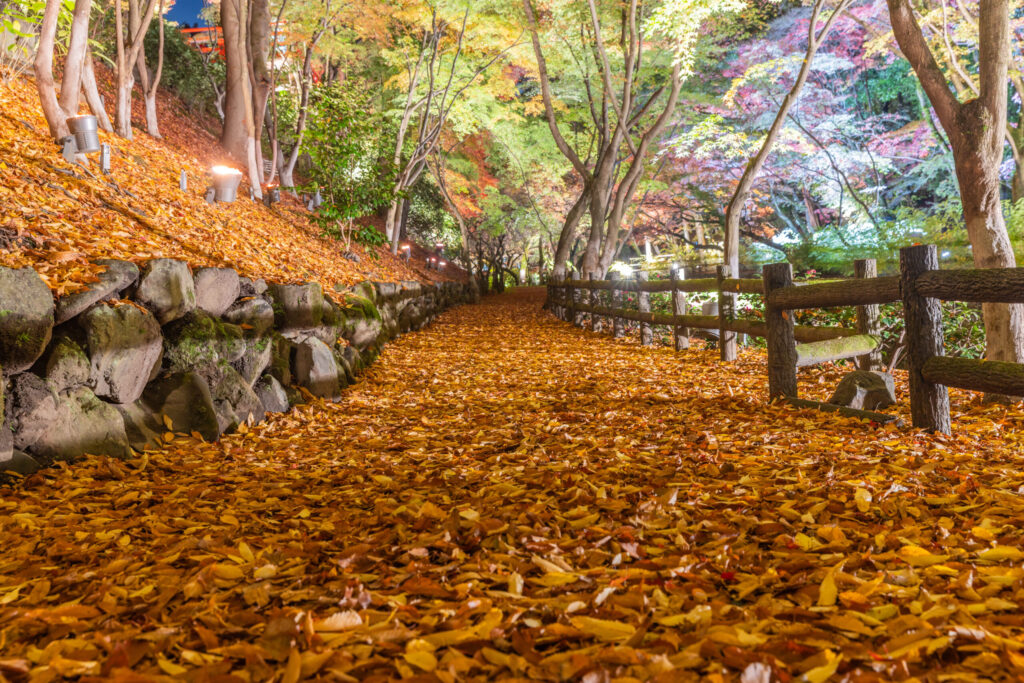
Kyoto’s foliage is not just a seasonal attraction — it’s a cultural ritual.
Temples hold evening prayers under maple trees; monks rake fallen leaves into perfect circles in Zen gardens; teahouses serve warm matcha overlooking scarlet courtyards.
To walk through Kyoto in late November is to walk through time itself.
2. Nikko — Nature, Spirit, and the Symphony of Color
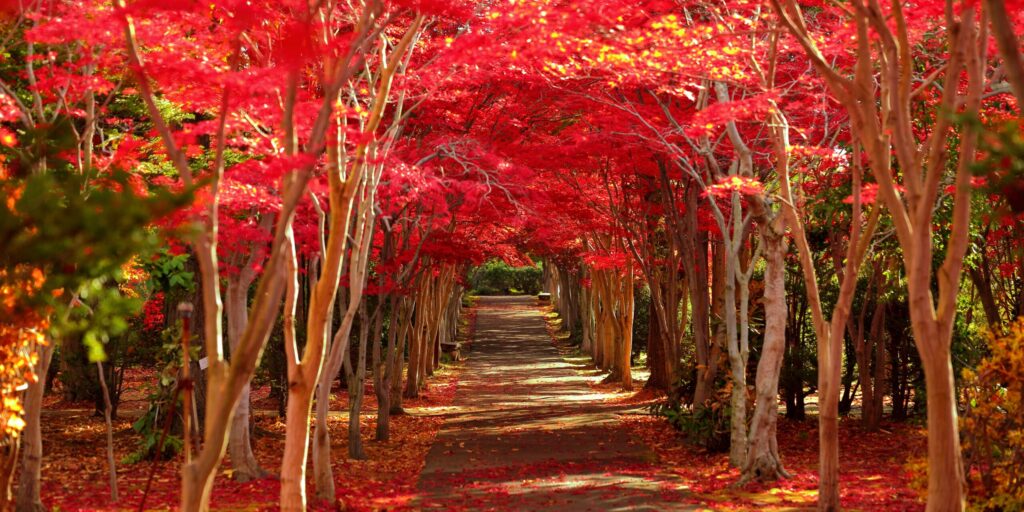
While Kyoto represents human artistry, Nikko in Tochigi Prefecture embodies nature’s grandeur.
A UNESCO World Heritage site, Nikko is famous for its ornate shrines and vast mountain landscapes.
Here, waterfalls, lakes, and forests combine into one of the most dynamic expressions of autumn leaves Japan.
2025 Peak Season and Climate Trends
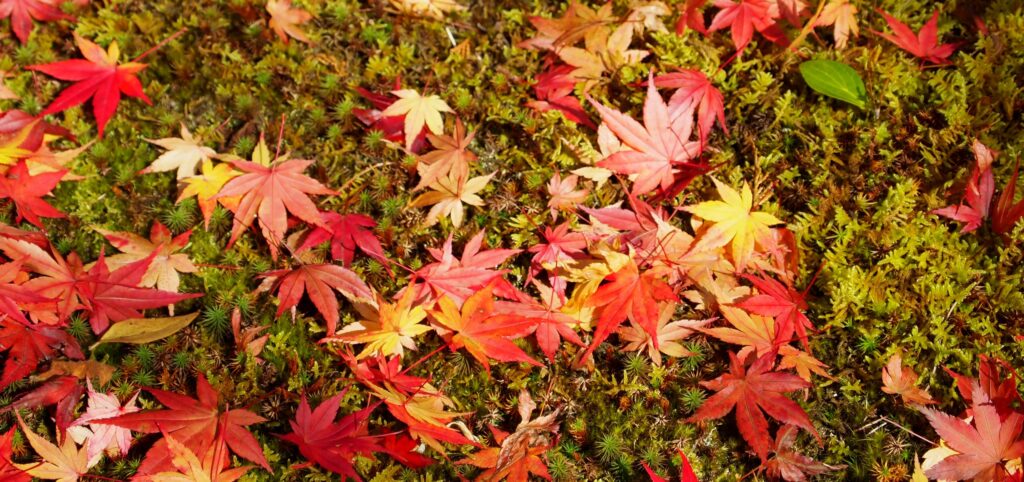
According to Japan Meteorological and local foliage forecasts, Nikko’s 2025 autumn leaves will likely start around October 20 in higher elevations like Senjogahara and reach peak color in the last week of October through early November at Lake Chuzenji and Irohazaka.
Lower areas near Nikko’s shrines should see their best hues around November 5–15, about a week later than average.
Irohazaka Road — The Iconic Mountain Ascent
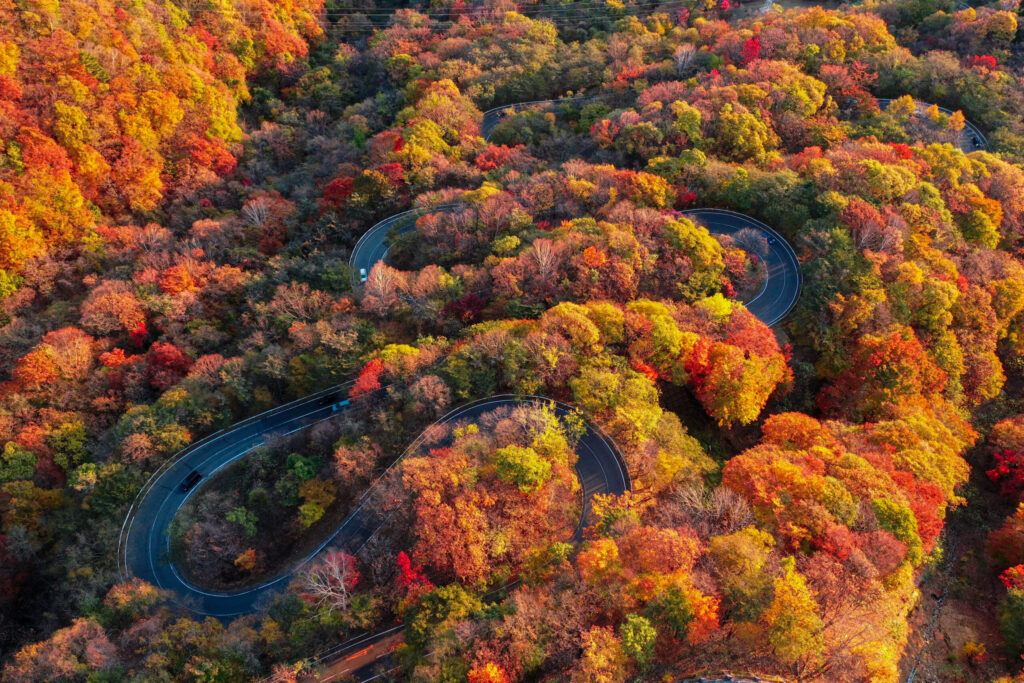
Few places capture the grandeur of autumn leaves Japan like the winding Irohazaka Road, with its 48 hairpin curves linking Nikko town to Lake Chuzenji.
Each turn reveals a new panorama of gold and red stretching across the mountains.
In 2025, color is expected to peak between October 27 and November 3, depending on weather and altitude.
Access: From Tobu Nikko Station, take the Chuzenji Onsen Bus to “Akechidaira.” Early morning departures help avoid traffic.
Lake Chuzenji & Mount Nantai — Reflection of Autumn
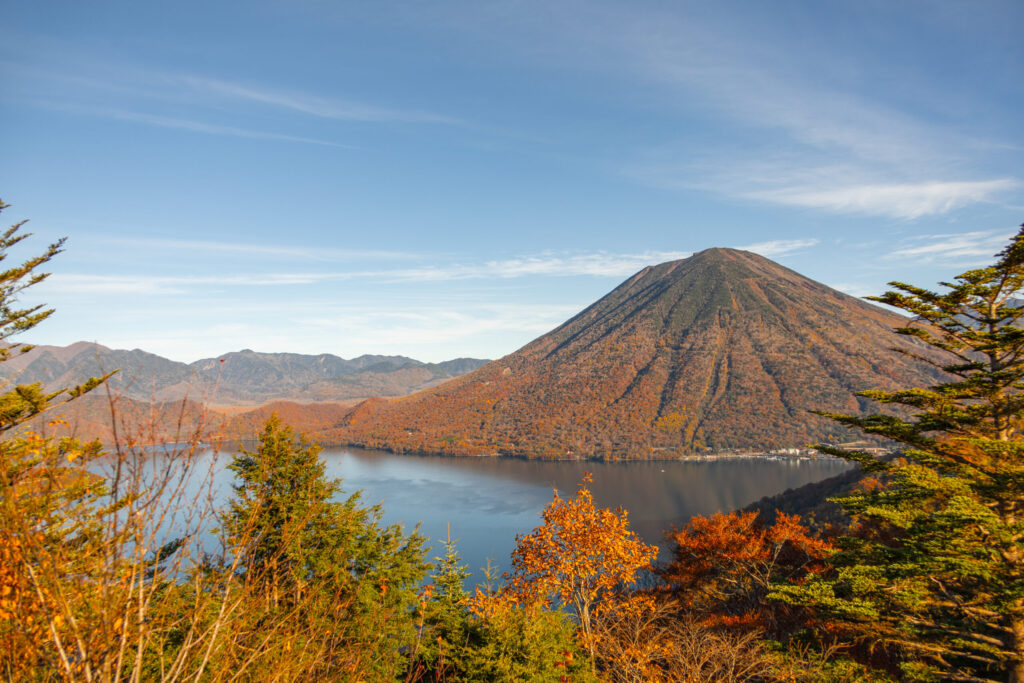
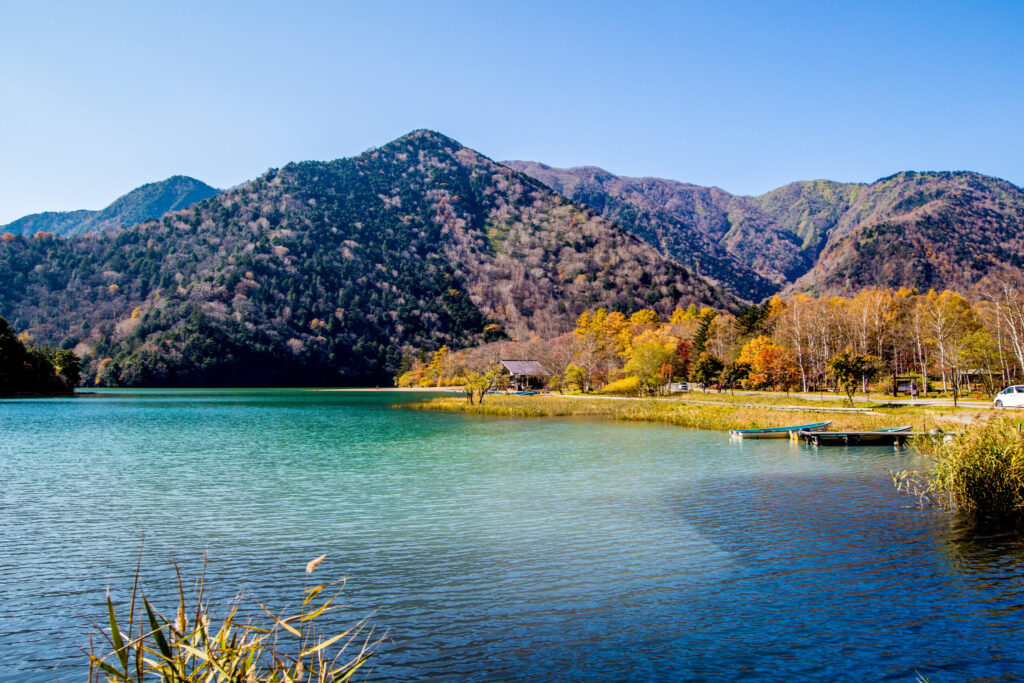
At the foot of Mount Nantai, Lake Chuzenji becomes a mirror of autumn color.
The best time to visit is October 30 to November 5, when the surrounding forests glow and the air turns crisp and clear.
From the lakeshore or from a sightseeing boat, you can see the entire mountain range dressed in shades of red, yellow, and bronze.
Access: Tobu Bus from Nikko Station (50 minutes) to “Chuzenji Onsen.”
Kegon Falls & Ryuzu Falls — Water Meets Flame
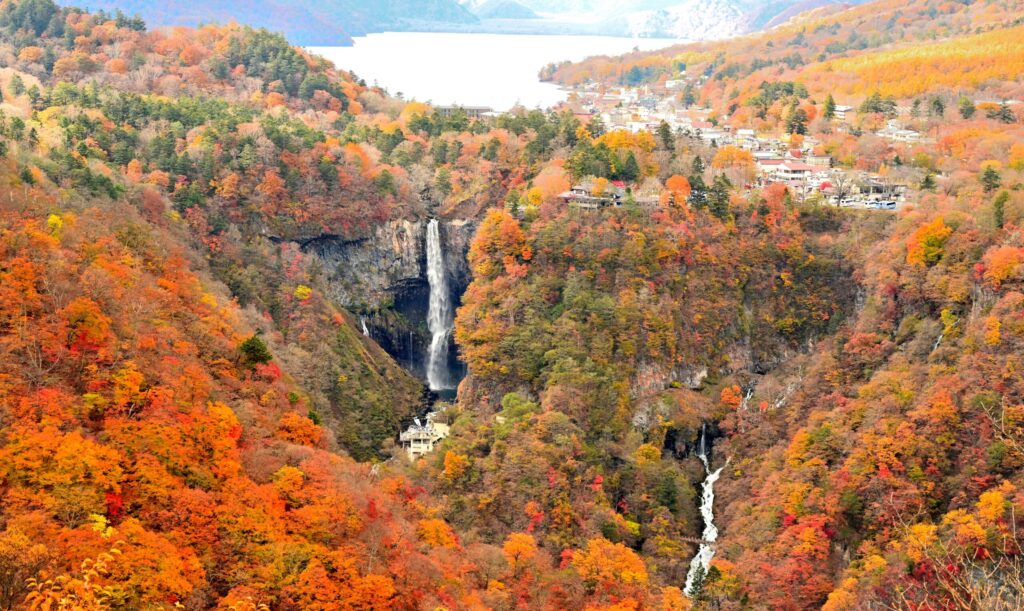
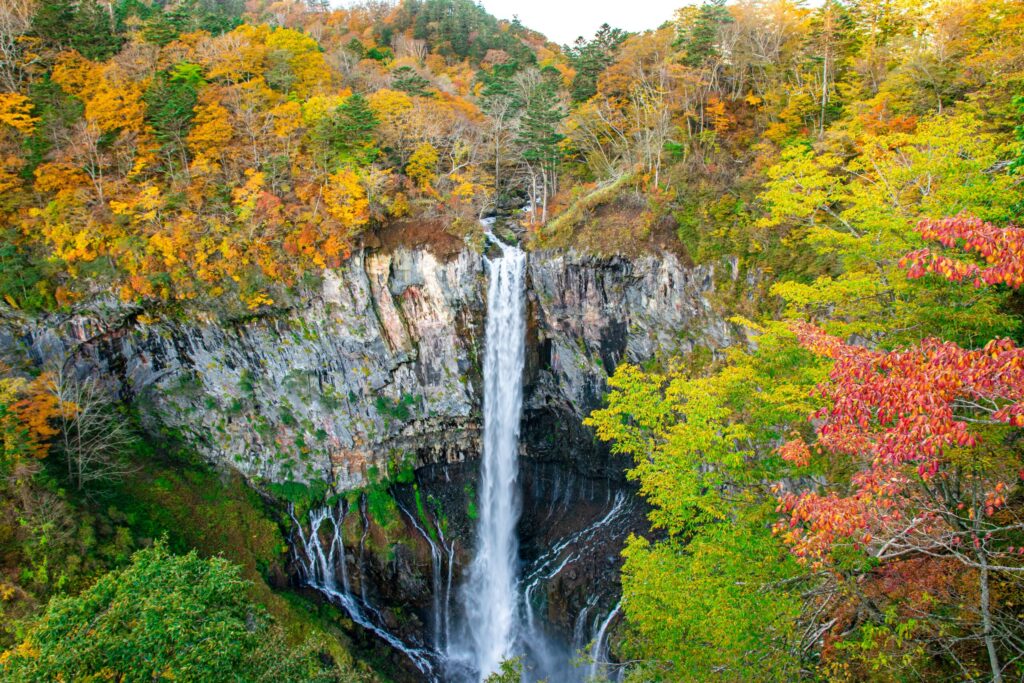
The 97-meter Kegon Falls, framed by maples, offers one of Japan’s most famous autumn views. The contrast of mist and crimson is breathtaking in photographs.
Nearby Ryuzu Falls (“Dragon’s Head Falls”) features twin cascades flowing through a valley of glowing leaves.
Both sites are expected to peak in late October to early November 2025.
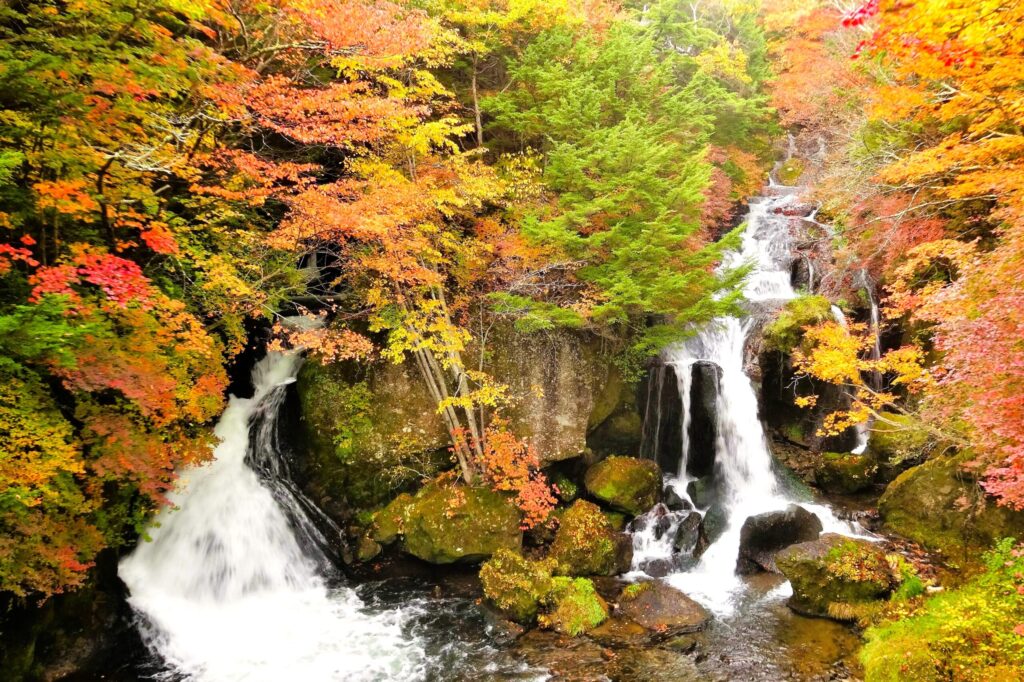
Access: Walk five minutes from Chuzenji Onsen to Kegon Falls, or take a short bus ride north to Ryuzu Falls.
Senjogahara Marshland — The Golden Highlands
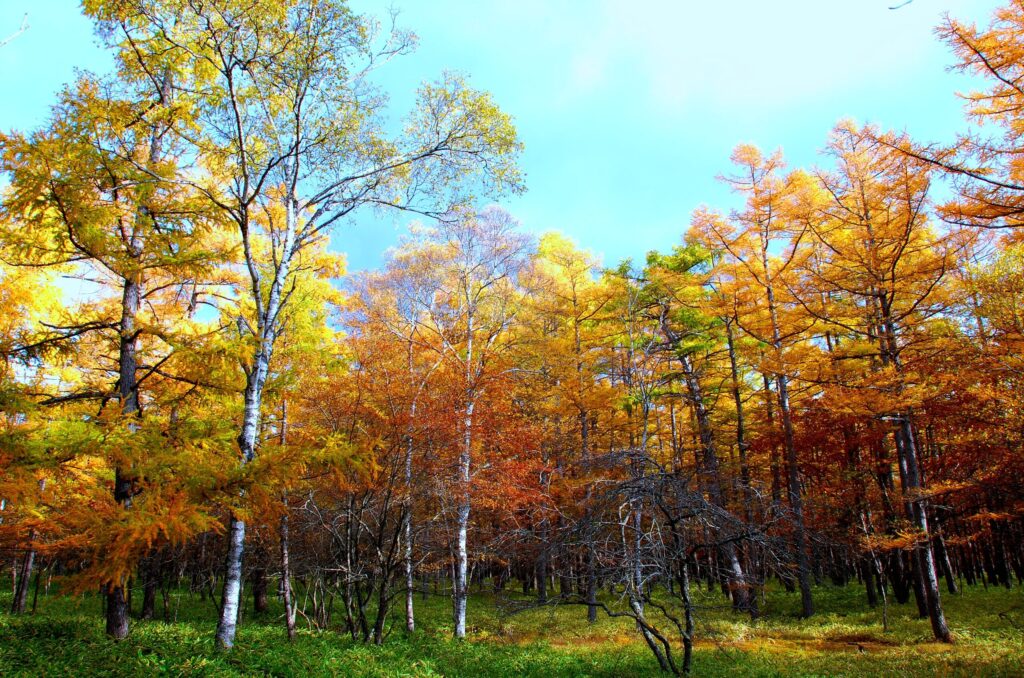
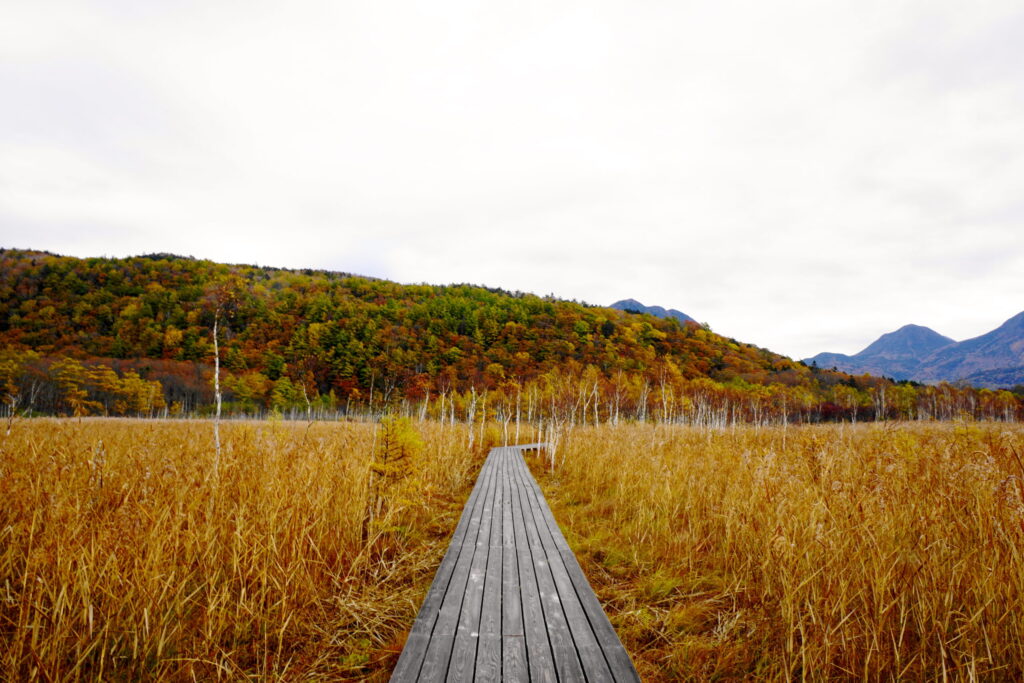
At 1,400 meters above sea level, Senjogahara is one of the earliest spots to color.
In mid-October, the grasses and birch trees turn gold, while distant peaks are brushed with red.
Wooden boardwalks make it easy to stroll through this serene highland, often with mist rising from the wetlands.
Access: Tobu Bus to “Sanbonmatsu” or “Yudaki Iriguchi.”
Nikko Toshogu Shrine — A Sacred Canvas
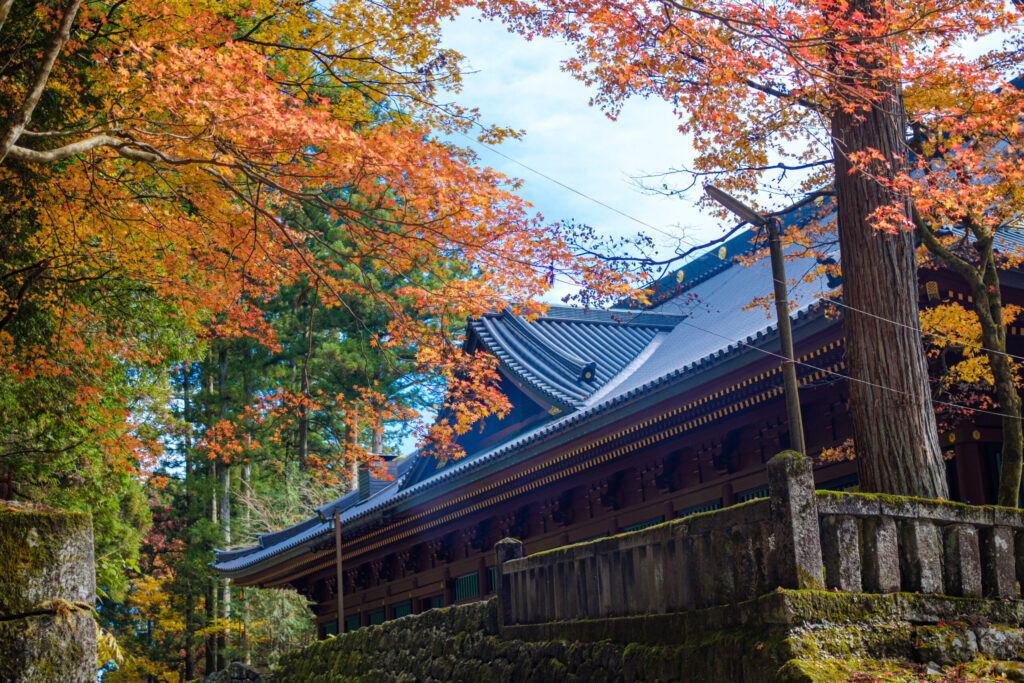
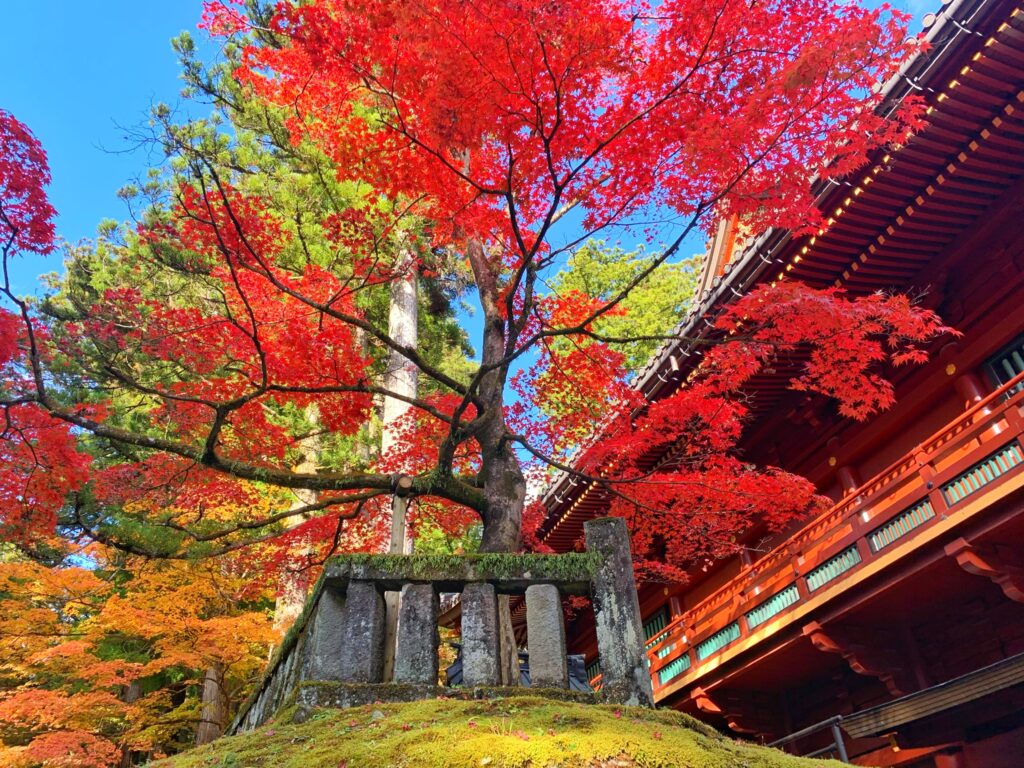
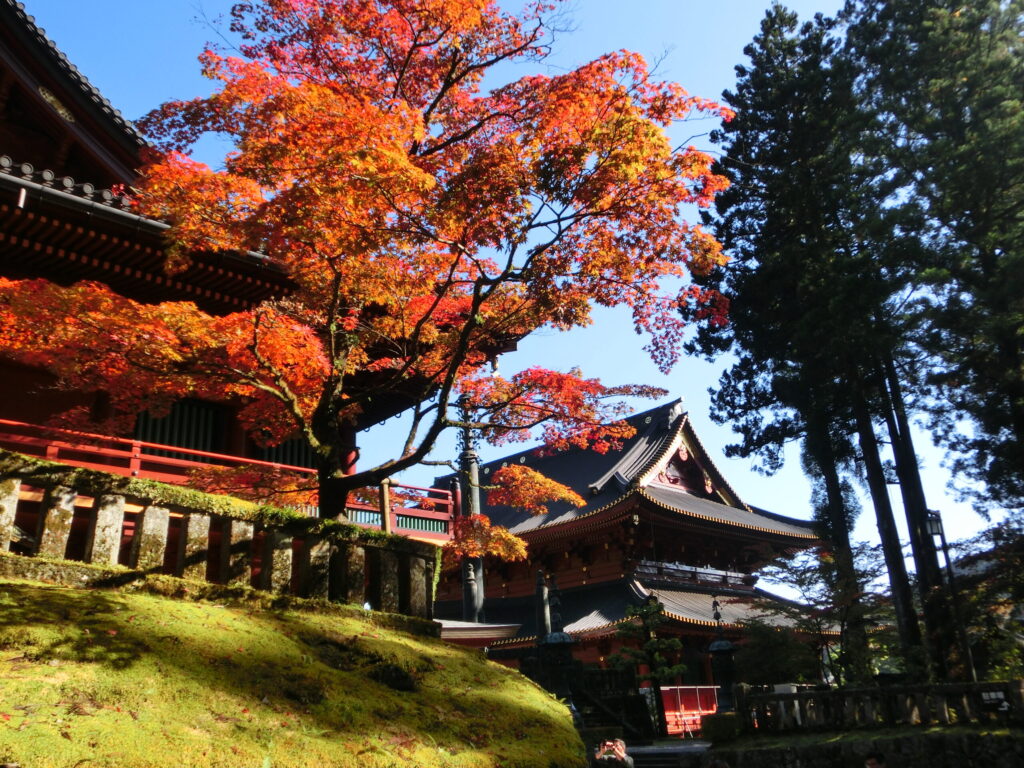
The lavish carvings of Toshogu Shrine, dedicated to shogun Tokugawa Ieyasu, gleam under a canopy of scarlet maples.
The Futarasan Shrine and Rinno-ji Temple nearby share the same forest, creating a spiritual and visual harmony unique to autumn leaves Japan.
Peak season here usually runs November 5–12, 2025.
Access: 25-minute walk from Tobu Nikko Station, or bus to “Nishi-sando.”
Experience Nikko Like a Local
- Stay overnight in Chuzenji Onsen or Kinugawa Onsen for easy early-morning access and hot springs after hiking.
- Try yuba (tofu skin) dishes or Nikko beer at local inns — seasonal specialties.
- Because of limited parking and heavy traffic, public buses or guided tours are highly recommended.
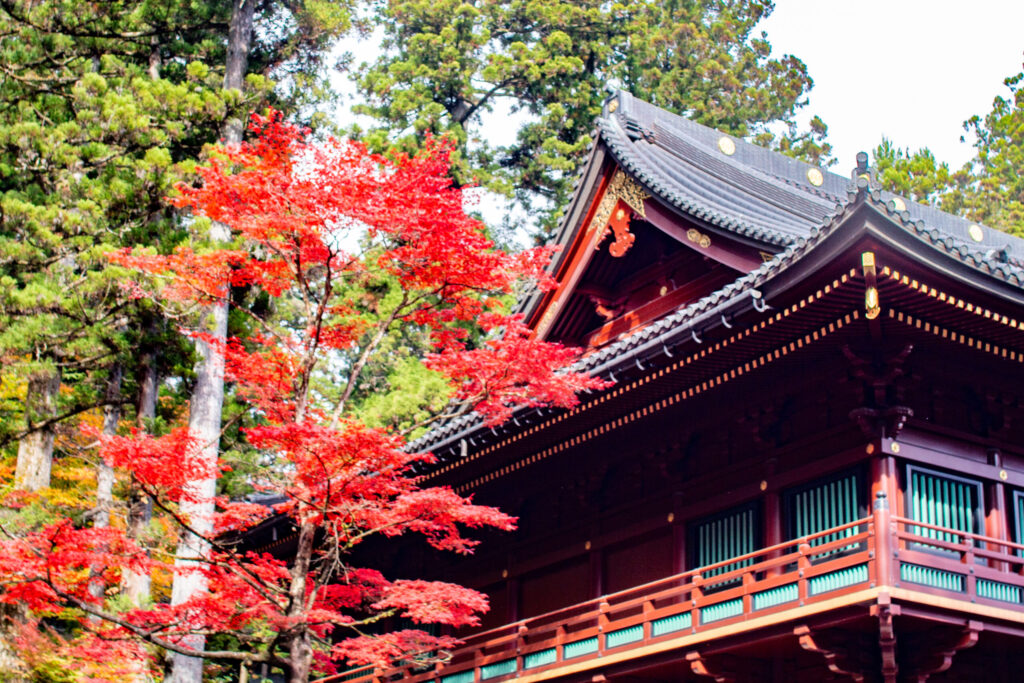
Nikko’s landscape — waterfalls roaring amid glowing leaves — embodies the wild, spiritual beauty of autumn leaves Japan.
3. Mt. Takao — Tokyo’s Gateway to Autumn
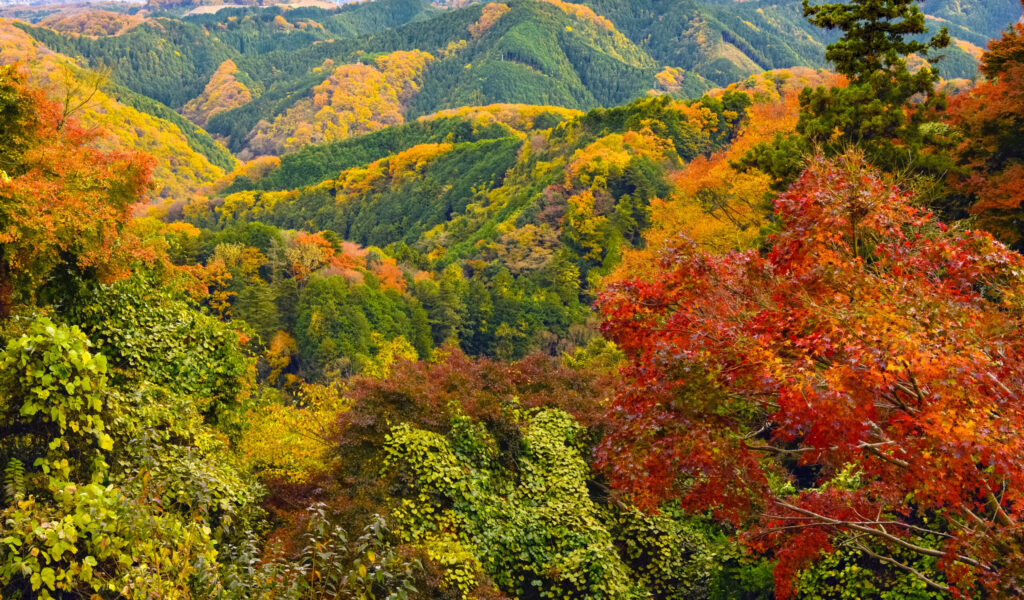
For those staying in Tokyo, Mt. Takao offers the most accessible taste of autumn leaves Japan.
Only an hour from Shinjuku, this mountain in western Tokyo combines natural beauty, hiking trails, and cultural charm in one compact experience.
Peak Season 2025
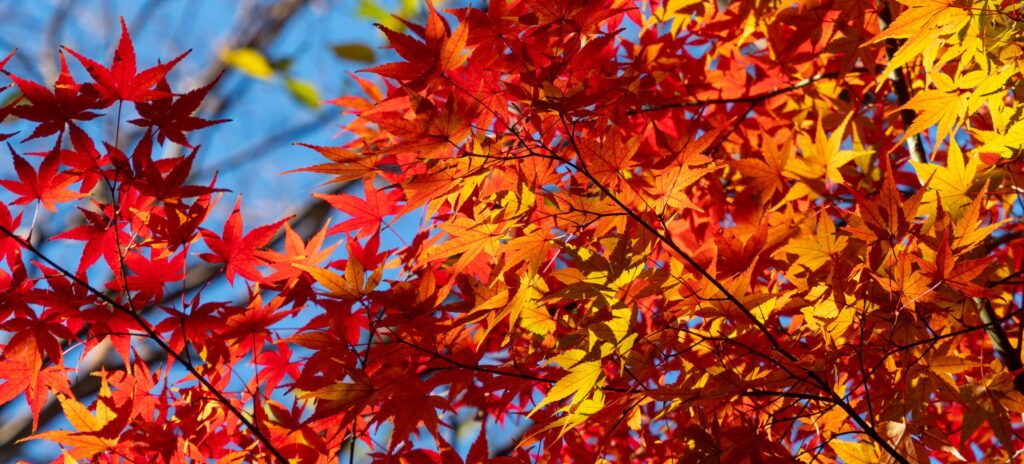
In 2025, the best time to see Mt. Takao’s autumn leaves will be November 18 through December 5, according to the Weathernews forecast.
Because the mountain’s elevation is only 599 meters, the colors progress gradually upward — from the station area in mid-November to the summit in early December.
The Journey Up — Trails, Cable Car, and Lift
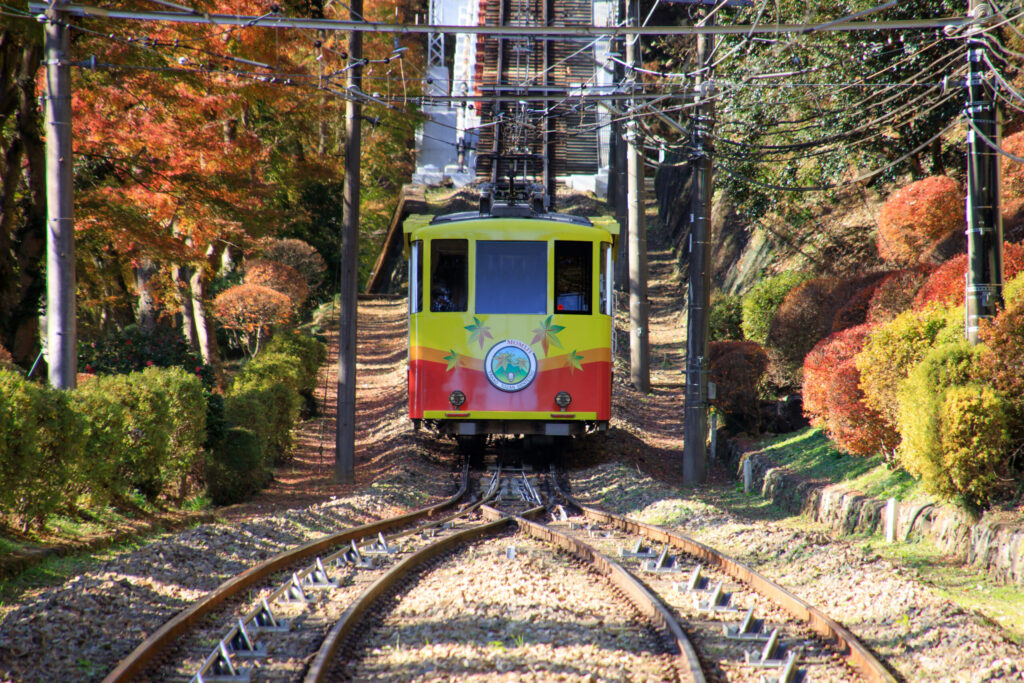
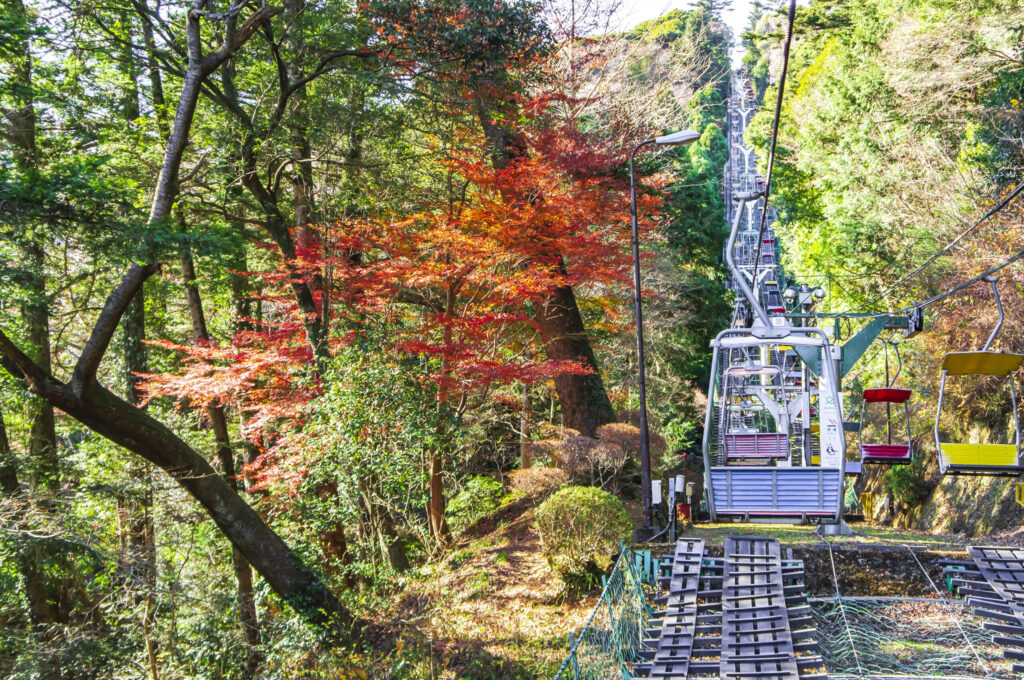
Visitors can hike up one of several trails or take the Takao Cable Car (6 minutes) or chair lift (12 minutes).
The cable car route is especially beautiful during autumn, forming a tunnel of scarlet and gold.
At the halfway point, cafes serve warm sweet sake and roasted chestnuts — small pleasures that define Japanese autumn travel.
Access: Keio Line from Shinjuku to Takaosanguchi Station (approx. 50 minutes). The cable car station is a 3-minute walk away.
Yakuo-in Temple — Faith in the Forest
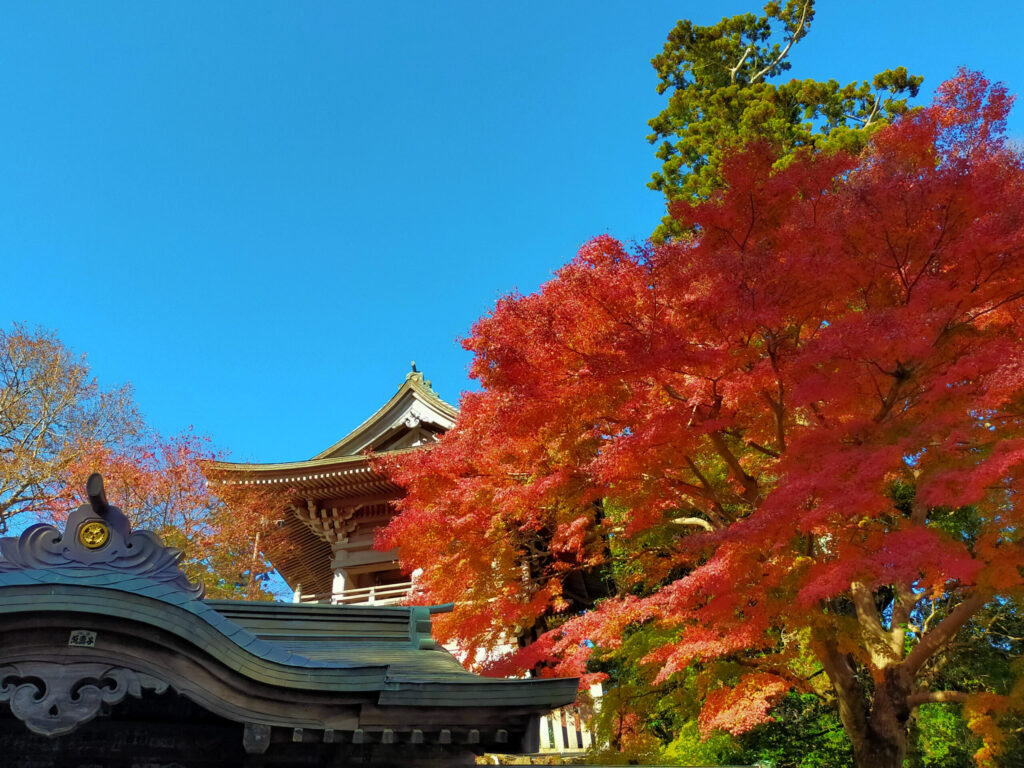
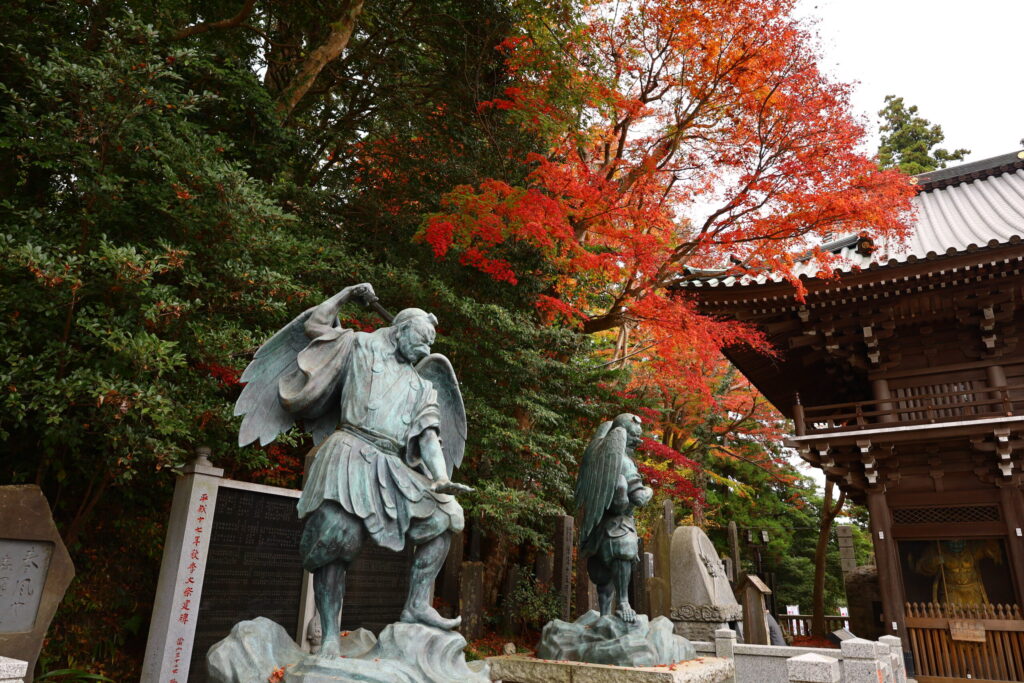
Midway up the mountain stands Yakuo-in, a Buddhist temple founded over 1,200 years ago.
Here, towering trees and vermilion gates blend into a spiritual world of incense and color.
On certain days during the season, monks perform fire rituals (Goma) against a backdrop of red maple leaves — an unforgettable moment for those exploring autumn leaves Japan in a spiritual context.
Summit Views — Tokyo and Fuji in One Frame
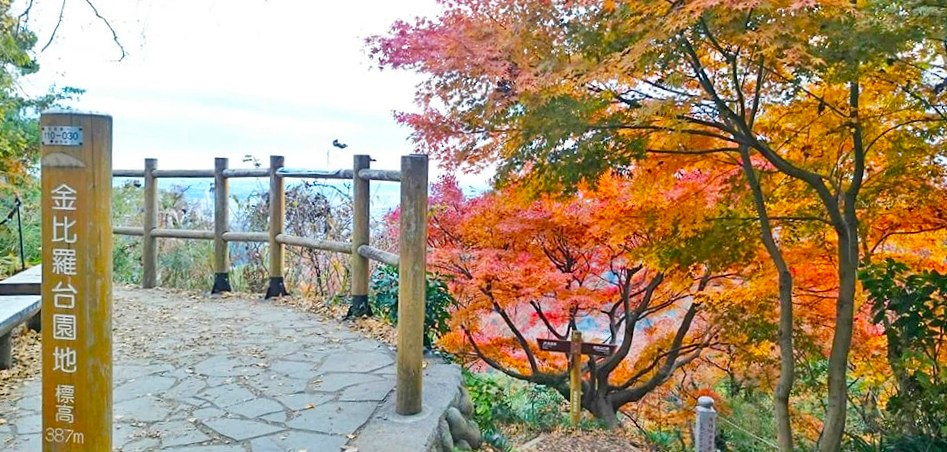
The summit of Mt. Takao offers panoramic views across Tokyo and, on clear days, even Mount Fuji.
The contrast between the glowing red foliage in the foreground and the distant blue peaks is a photographer’s dream.
Late afternoon, just before sunset, is when the light turns golden — locals call it “the hour when the mountain breathes.”
Takao Maple Festival 2025
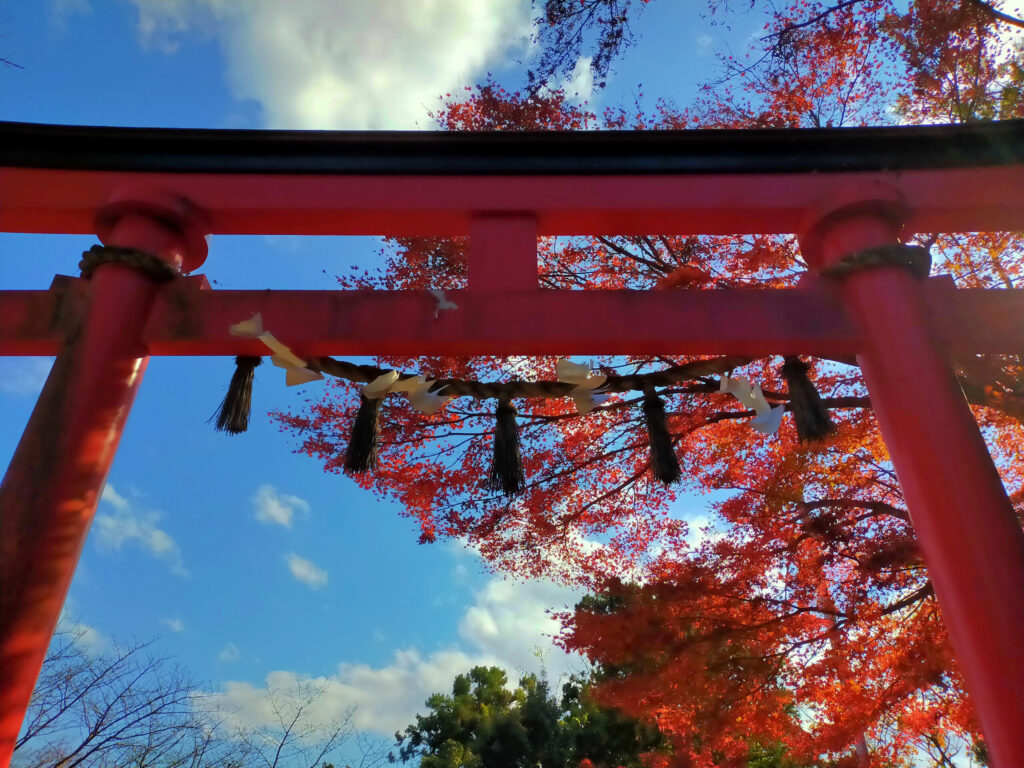

The Takao Momiji Festival will be held from October 25 to December 14, 2025, featuring weekend food stalls, traditional performances, and live music at the mountain’s base.
Try tororo soba (grated yam noodles), a Takao specialty enjoyed during autumn hikes.
Tips for Visiting Mt. Takao
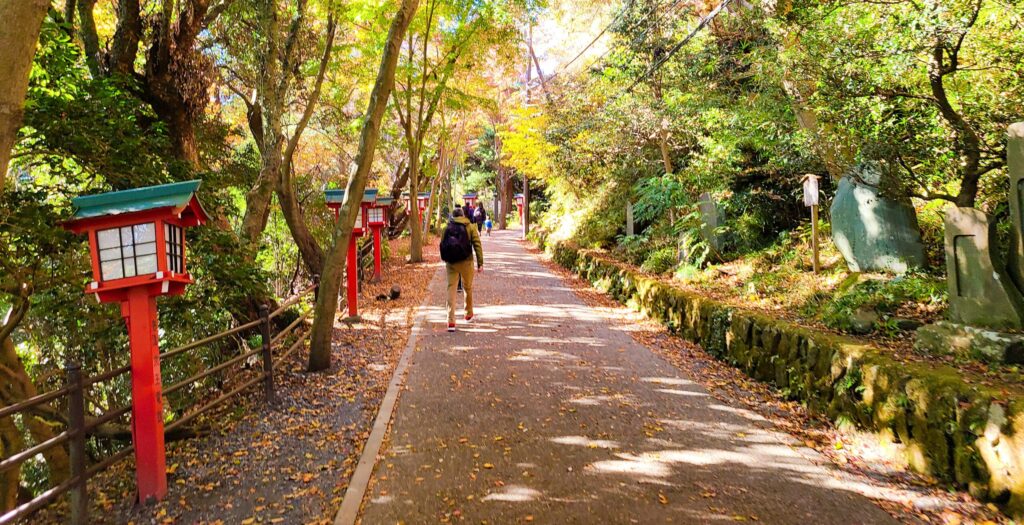
- Go early (before 9 AM) to enjoy quiet trails and soft morning light.
- Bring layers — temperatures drop quickly after sunset.
- Consider hiking up and taking the cable car down to rest your legs and enjoy the view from above.
For those who only have one day in Tokyo, Mt. Takao is the perfect way to experience autumn leaves Japan without leaving the city’s orbit.
Conclusion — The Soul of Autumn Leaves Japan
Kyoto, Nikko, and Mt. Takao — three destinations, three stories, one shared heartbeat of autumn.
Whether it’s the reflection of crimson maples in Kyoto’s temple ponds, the golden marshes of Nikko, or the fiery hillsides of Takao, each scene reveals Japan’s deep respect for impermanence and beauty.
Autumn leaves Japan is not merely about sightseeing.
It’s about feeling time slow down — hearing the crunch of leaves underfoot, breathing in the cool mountain air, and realizing that beauty exists precisely because it fades.
In 2025, let these landscapes remind you of that timeless truth, and let the journey through Japan’s autumn be your own moment of stillness amid color.
The Japanese version of this article is here.↓↓↓