Introduction
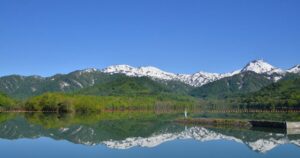
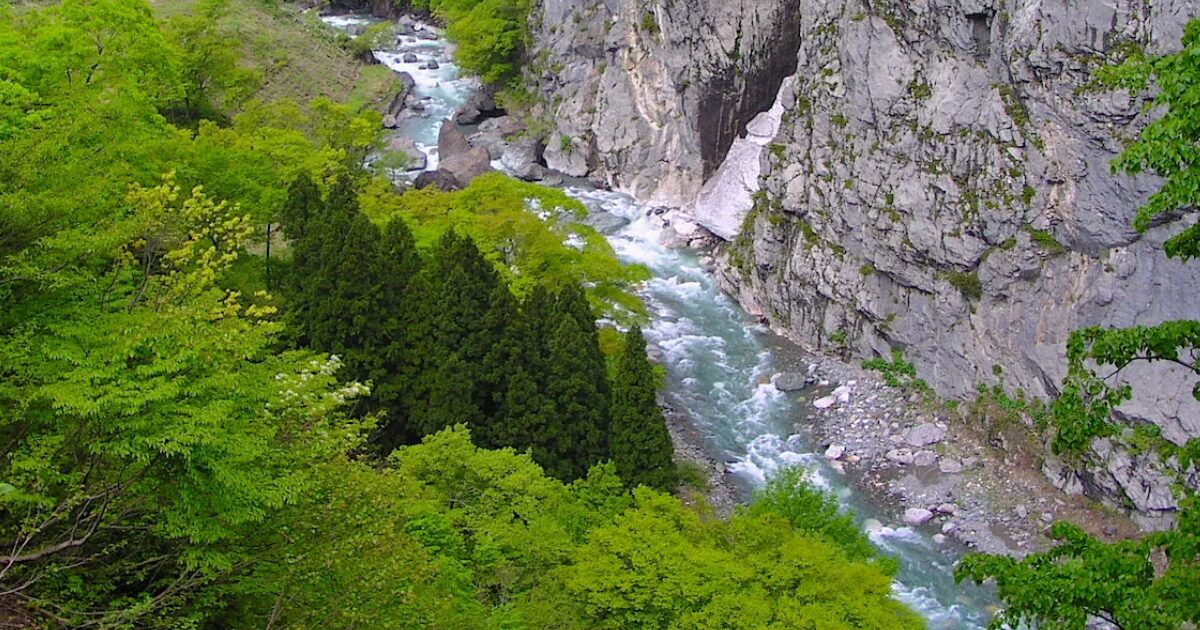
Tucked deep within the mountains of northern Japan lies a place where time moves differently —
a quiet gorge in Itoigawa City, known as Kotakigawa Jade Gorge, one of Japan’s hidden gems.
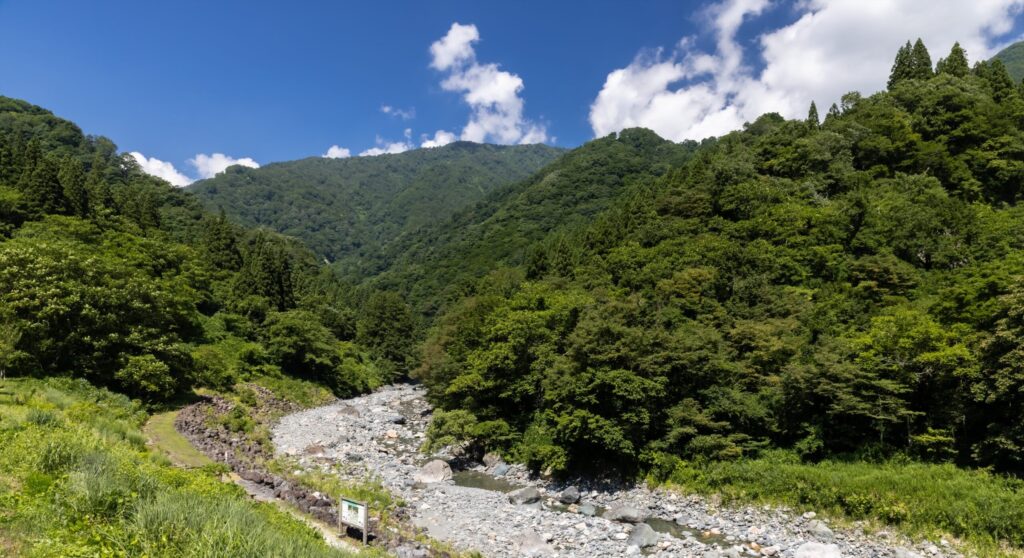
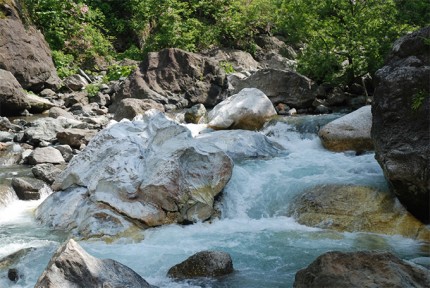
Here, crystal-clear water flows through rocks that have existed for more than 100 million years.
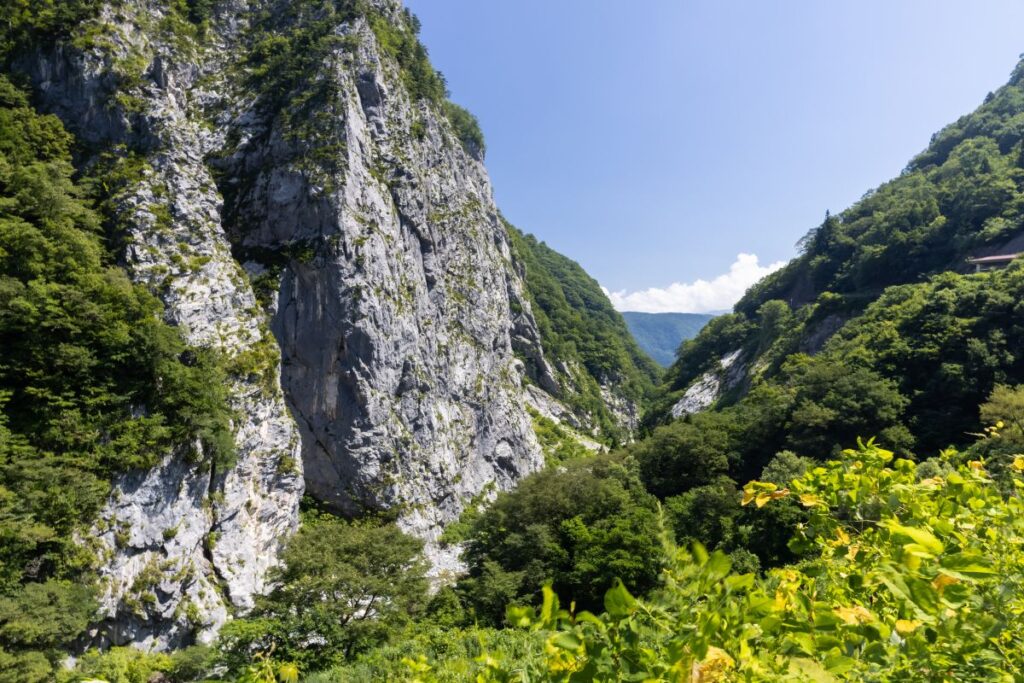
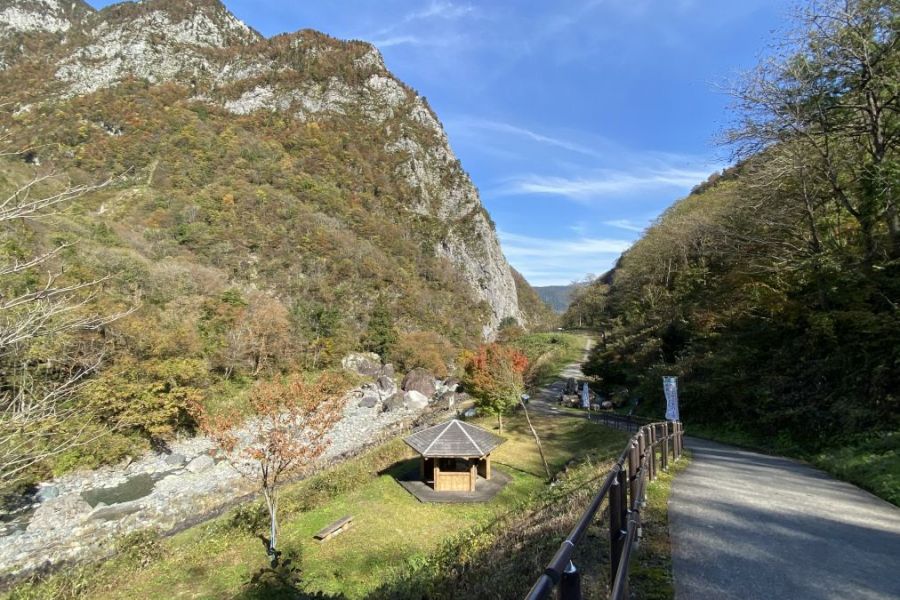
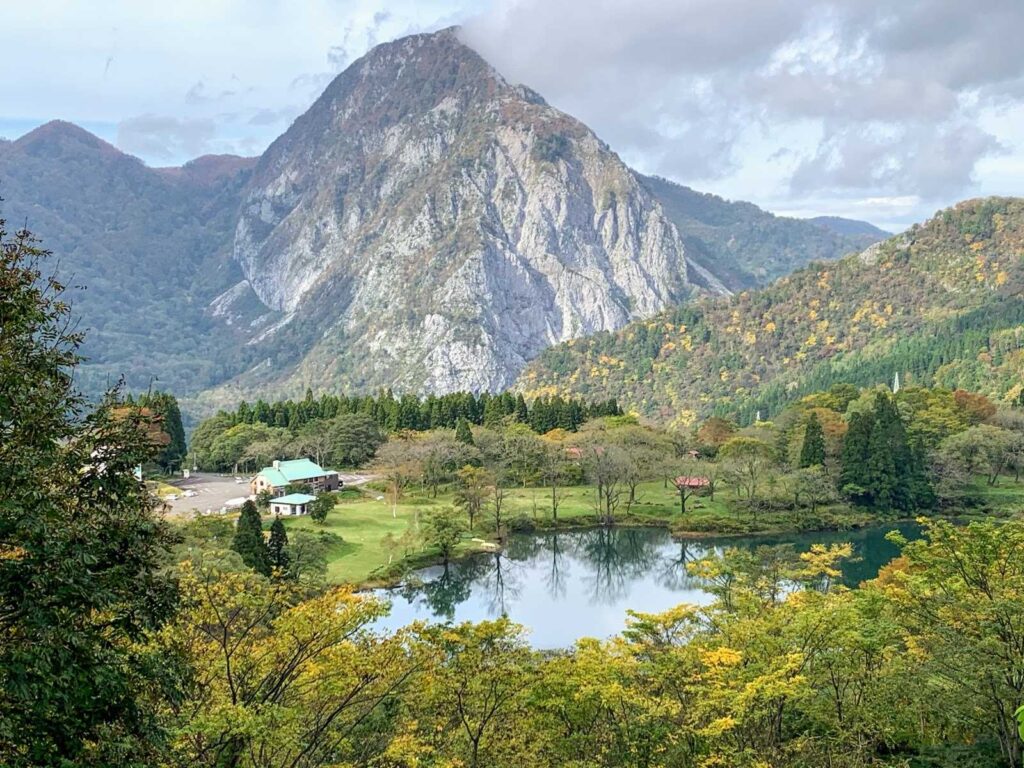
The cliffs of Mount Myōjō rise like ancient walls, and beneath them, jade — the “sacred stone” of Japan — glimmers softly under the current.
Long before modern travelers arrived, the people of Japan’s Jōmon era walked this same valley,
carving magatama beads from jade and offering them to the gods.
To visit Kotakigawa is not simply to see nature; it is to feel the slow heartbeat of the Earth itself —
a hidden gem of Japan where geology, spirituality, and silence meet in perfect balance.
Where the Earth Still Breathes
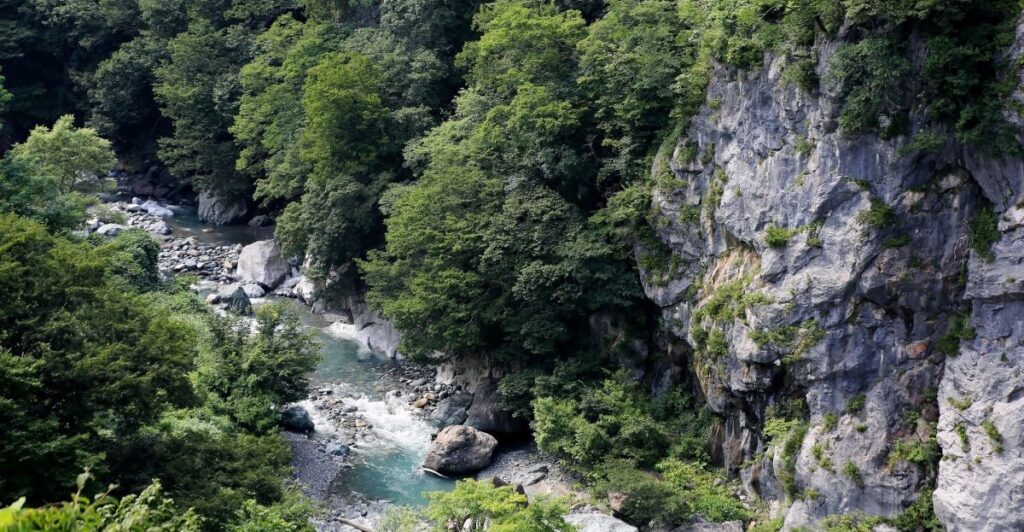
The Kotakigawa Gorge lies beneath the sheer cliffs of Mount Myōjō, where tectonic plates pushed the Earth’s mantle to the surface.
This rare phenomenon created the world’s only known natural outcrops of jadeite — the same mineral once used to craft sacred magatama beads in prehistoric Japan.
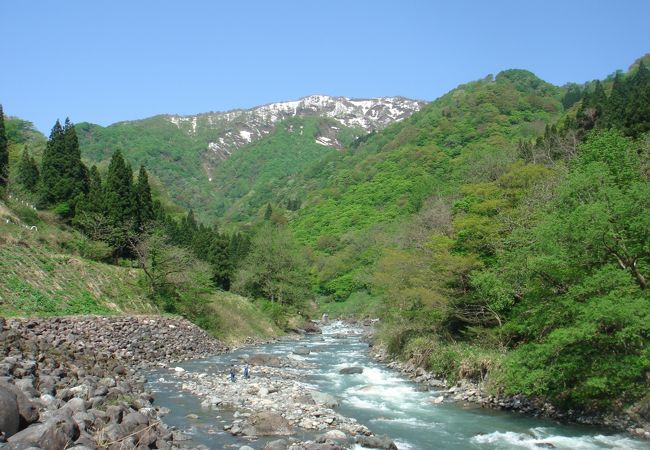
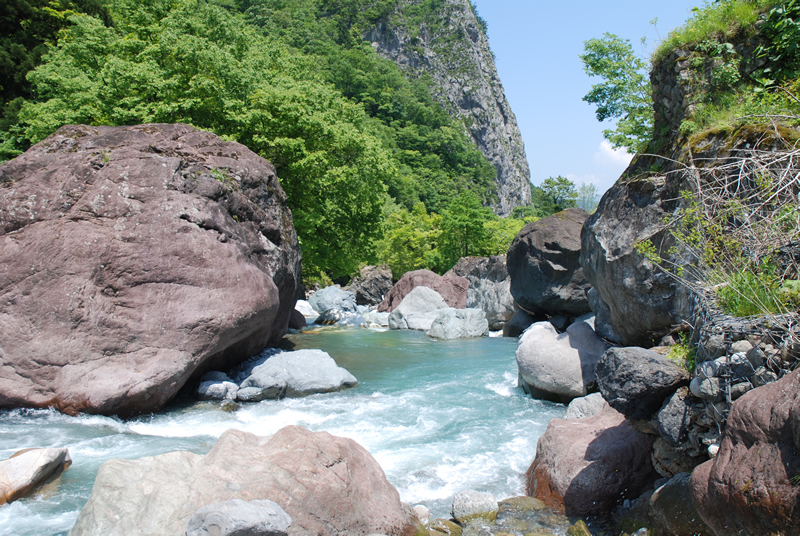
The stones gleam in shades of white, green, and pale blue beneath the clear river water.
They cannot be taken — collecting jade here is strictly prohibited — but their beauty alone leaves a lasting impression.
It’s like standing before the Earth’s living anatomy, a reminder that our world is still moving beneath our feet.
A Sacred Stone in Human History
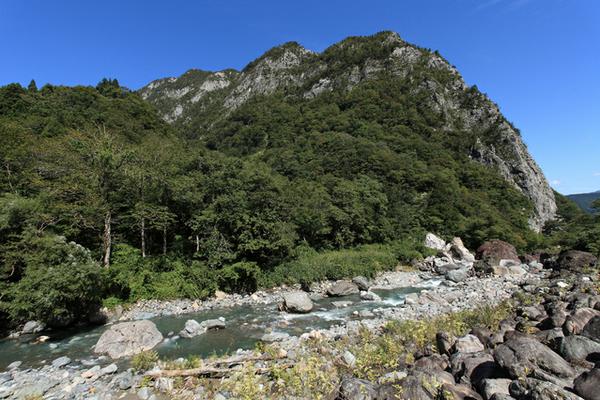
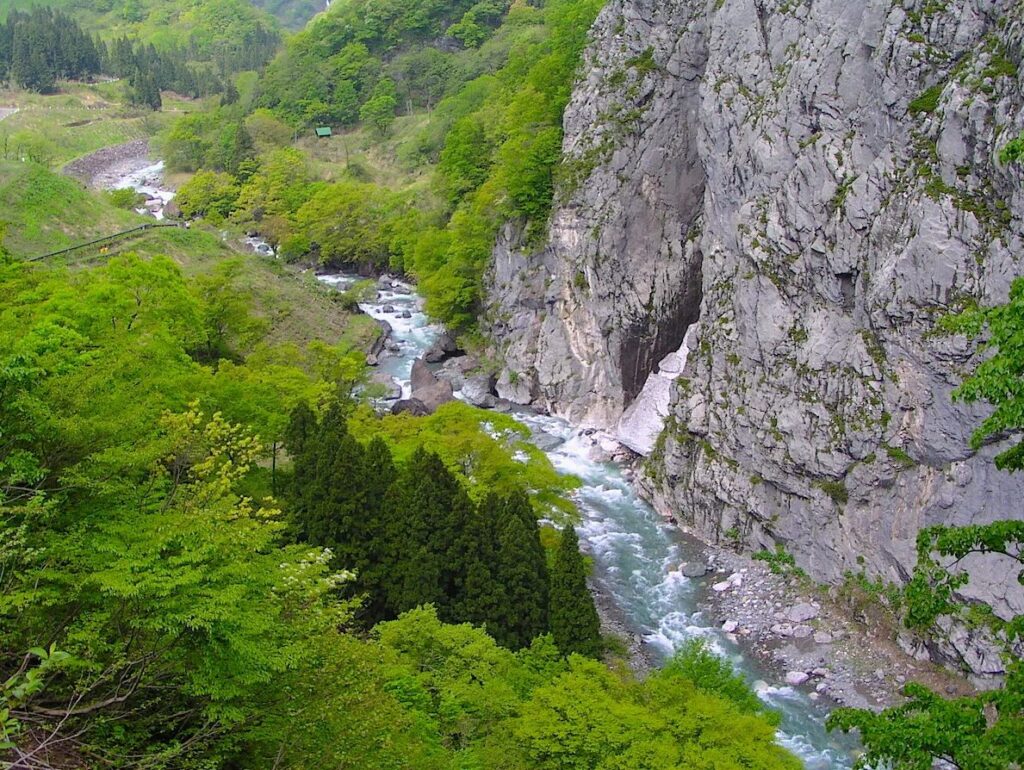
Jade from Itoigawa was traded across the Japanese archipelago as early as 5000 years ago.
Archaeologists have unearthed jade artifacts from Hokkaido in the north to Kyushu in the south, proving that this quiet mountain valley was once the birthplace of Japan’s earliest trade network.
For ancient people, jade symbolized purity and immortality — a bridge between humans and the divine.
Walking along the river today, you can almost sense that same reverence in the stillness of the gorge.
Highlights & Scenic Points
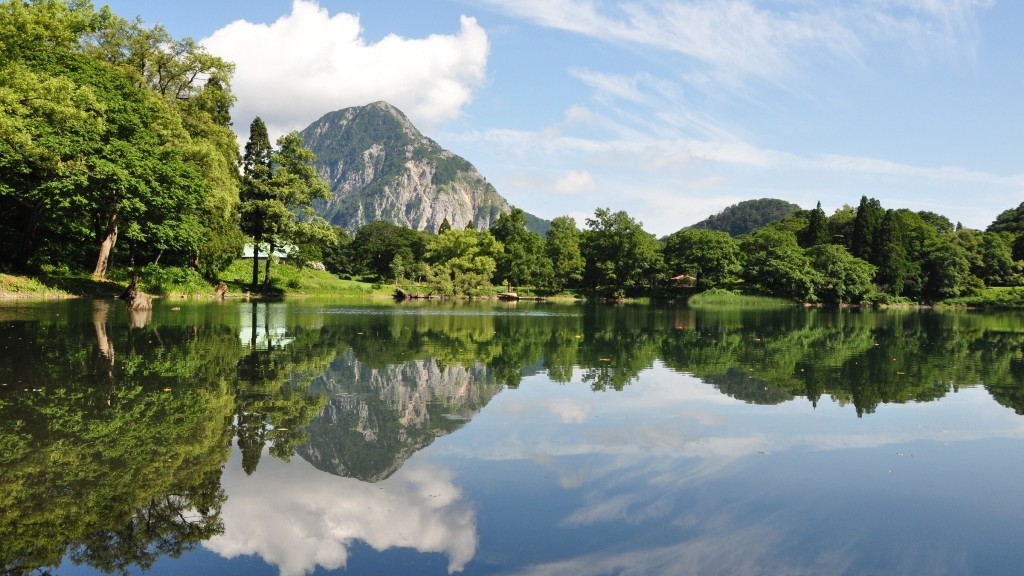
- Mount Myōjō Cliff Face
Towering over 500 meters high, its layered rock tells the story of countless geological ages. - Jade Gorge Observation Deck
Offers a panoramic view of the river and cliffs, best visited in the morning when sunlight brings out jade’s subtle hues. - Educational Riverside Zone
A safe area where visitors can approach the river to admire the clarity of the water and the variety of rocks up close.
Every sound — from rustling leaves to water tumbling over stone — contributes to an almost meditative atmosphere.
Access Information
- Location:
Kotaki, Itoigawa City, Niigata Prefecture
- Open Season:
Late April to early November (closed in winter due to snow)
- Parking:
Hisui Gorge Learning Area – 20 spaces
Observation Deck Parking – 15 spaces
- By Car:
40 minutes from Itoigawa IC via Route 148 and Prefectural Road 483
Narrow mountain roads; small vehicles recommended
- By Train / Taxi:
From JR Itoigawa Station, about 40–50 minutes by taxi (round trip recommended)
JR Ōito Line Kotaki Station is nearest, but the walk (50 min) is for experienced hikers only
- Cautions:
Check road conditions; the Rinyūzan Line may close for landslide repairs or maintenance.
No cell service in several areas. Bring printed maps or download offline navigation.
No restrooms or vending machines on-site.
Best Seasons & Nearby Spots
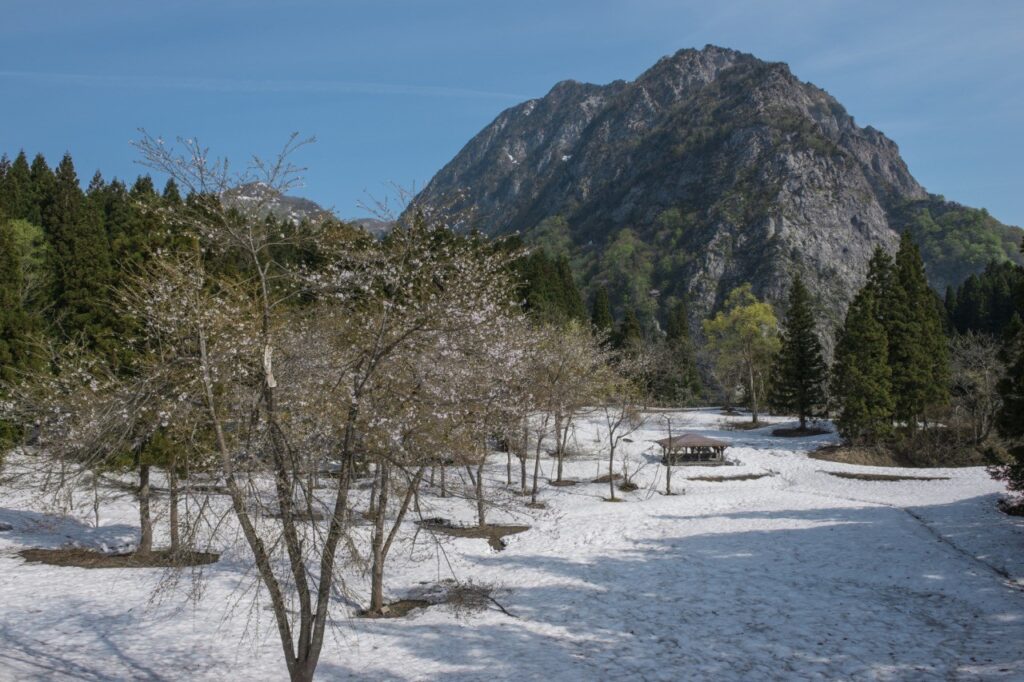
- Spring (Apr–May): Melting snow swells the river; the surrounding forest glows bright green.
- Autumn (Oct–Nov): Brilliant red and yellow leaves contrast with jade’s soft green glow.
Nearby Attractions:
- Fossa Magna Museum – Learn about the geological forces that shaped Japan (25 min by car)
- Jade Coast (Hisui Kaigan) – A scenic beach where polished jade pebbles wash ashore (50 min by car)
Traveler’s Notes
- Wear waterproof hiking shoes; the riverside rocks can be slippery.
- Pack water and snacks — there are no shops nearby.
- Bring a rain jacket and flashlight for safety in dim forested areas.
- Always confirm trail and road conditions on the Itoigawa Tourism Official Site
Reflection — Listening to the Earth’s Time
Kotakigawa Jade Gorge is not a place to rush through.
Stand by the water, and the steady rhythm of the river will match your own heartbeat.
Here, you begin to realize how small human time really is — and how peaceful it feels to surrender to something older, slower, and infinitely larger.
To visit this valley is to travel not across distance, but across time itself.
The Japanese version of this article is here.↓↓↓