Introduction
High in the mountains of northern Japan , where clouds drift low and the air feels newly born, lies one of Japan’s true hidden gems — the Sasagamine Highlands and the tranquil Lake Otomi.
Here, time slows down.
The wind carries the scent of birch trees, and the lake mirrors the ever-changing sky.
Standing by the water’s edge, you may feel as though you’re floating between heaven and earth.
Located in Myoko, Niigata Prefecture, this alpine plateau sits at an elevation of about 1,300 meters.
It has long been a retreat for monks, hikers, and those seeking solitude — a place where Japan’s natural rhythm still beats quietly beneath the hum of the forest.
The Landscape Between Clouds and Mountains
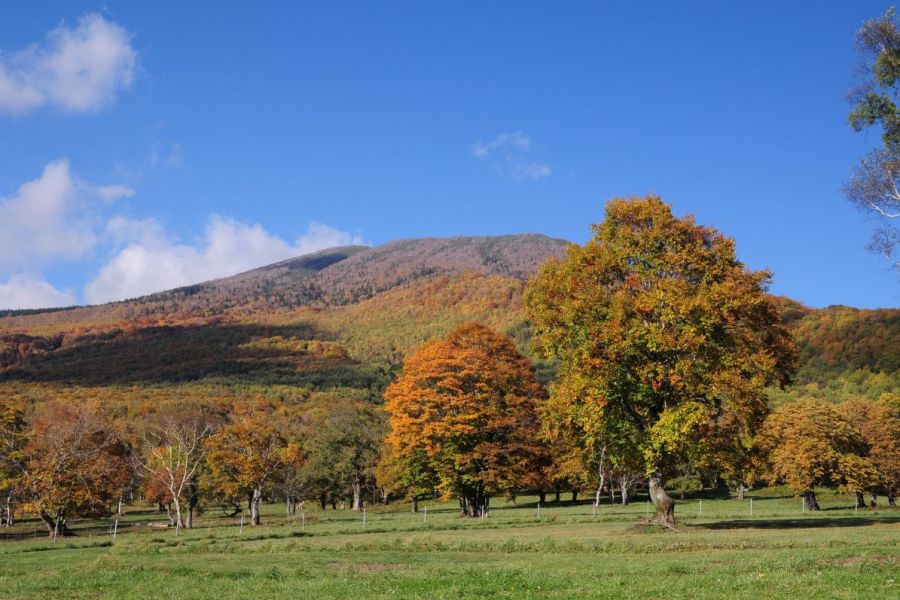
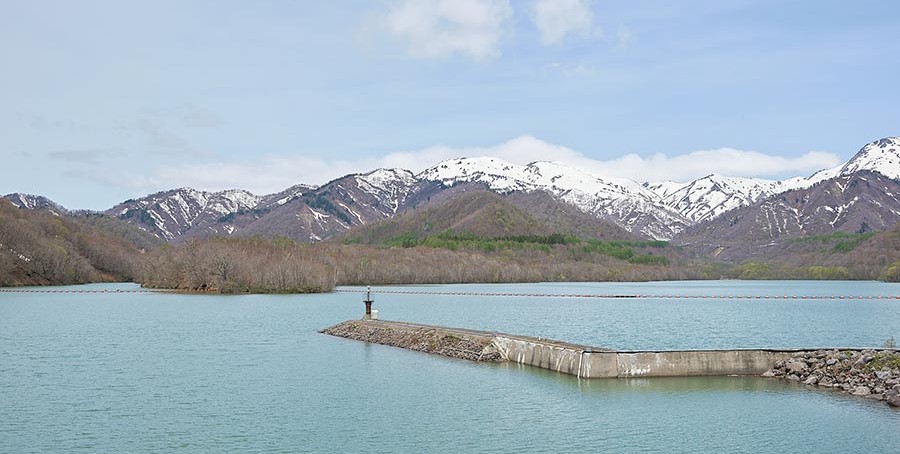
Sasagamine lies at the foot of Mount Myoko and Mount Hiuchi, two peaks among Japan’s 100 Famous Mountains.
The region is part of Myoko-Togakushi Renzan National Park, where deep forests, alpine meadows, and volcanic ridges blend into one vast green canvas.
Lake Otomi — The “Mirror Lake” Born from a Volcano
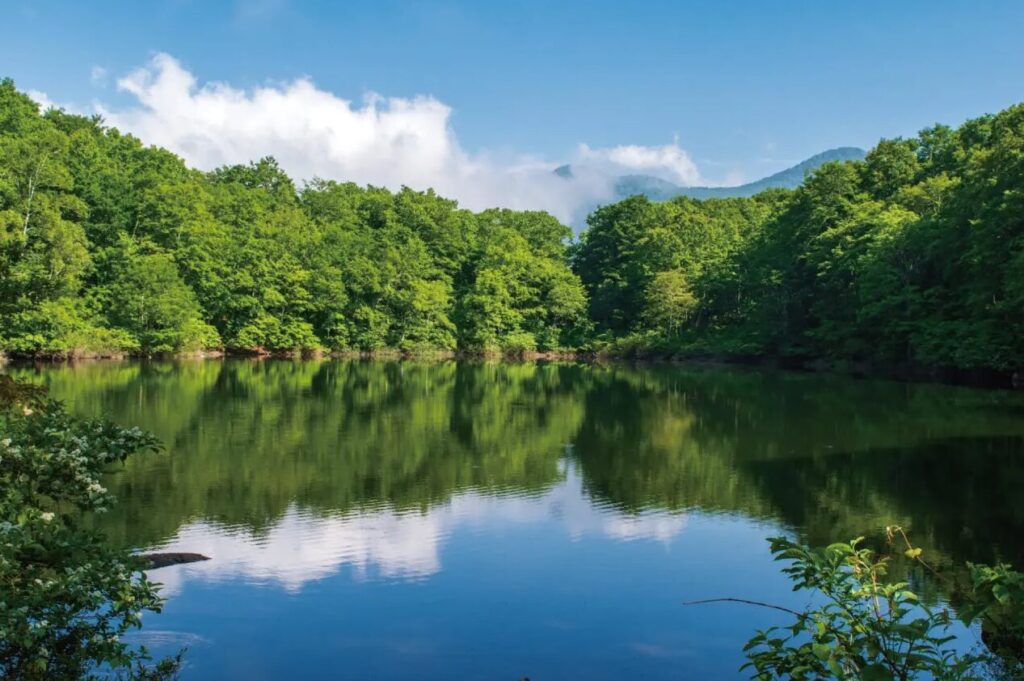
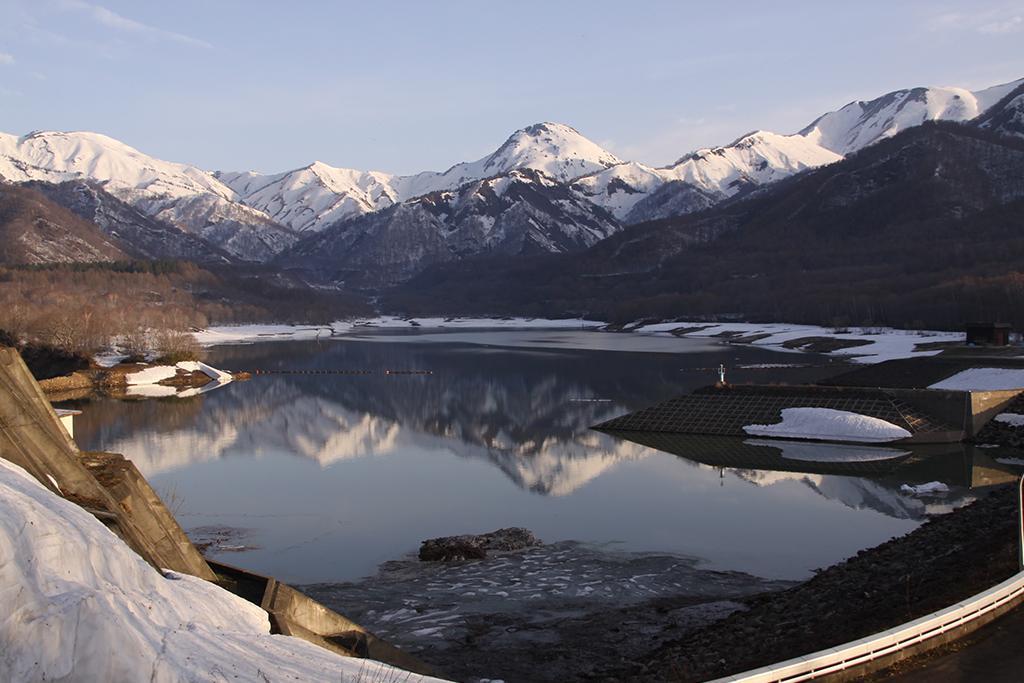
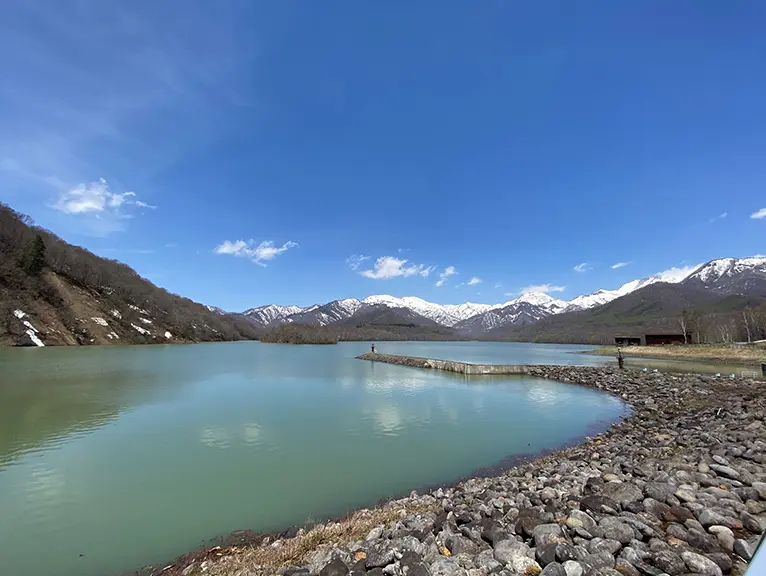
Lake Otomi — formed thousands of years ago when a landslide from Mount Kurohime blocked the river — rests like a jewel in this highland basin.
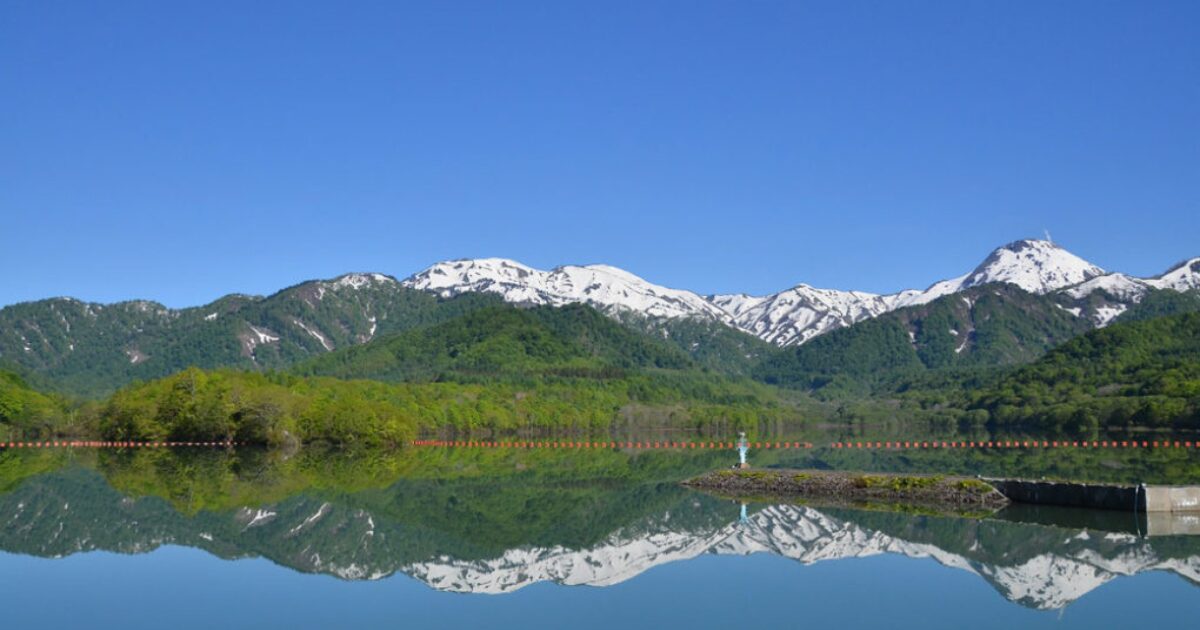
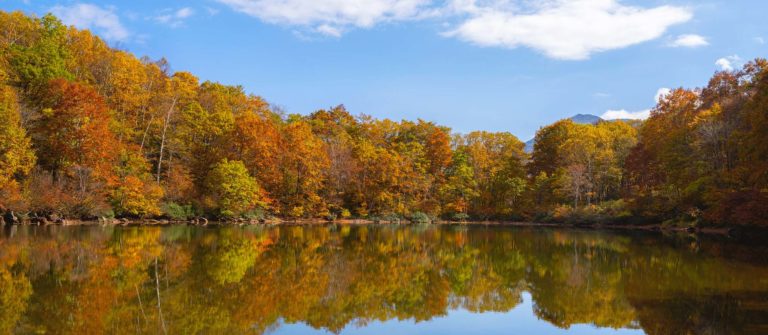
Its calm surface reflects the surrounding peaks, turning silver at dawn and gold at sunset.
On windless mornings, the mirror-like lake creates a perfect “upside-down” view of the mountains — a secret known mainly to photographers and locals.
Nature Walks and Trails
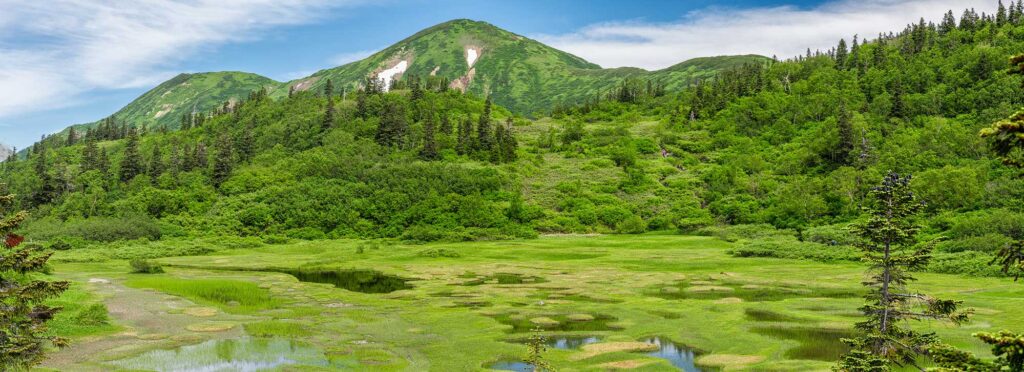
The Yumemidaira Forest Trail offers a gentle 3 km loop through beech and elm woods, ideal for beginners and families.
In summer, wildflowers bloom along the path, and in autumn, the trees transform into a sea of red and gold.
For more experienced hikers, the Sasagamine–Hiuchi Route leads toward Mount Hiuchi’s summit, passing mountain huts and alpine wetlands alive with dragonflies and lilies.
Along the way, you’ll feel Japan’s mountain spirit — quiet, disciplined, and deeply connected to nature.
Access Information
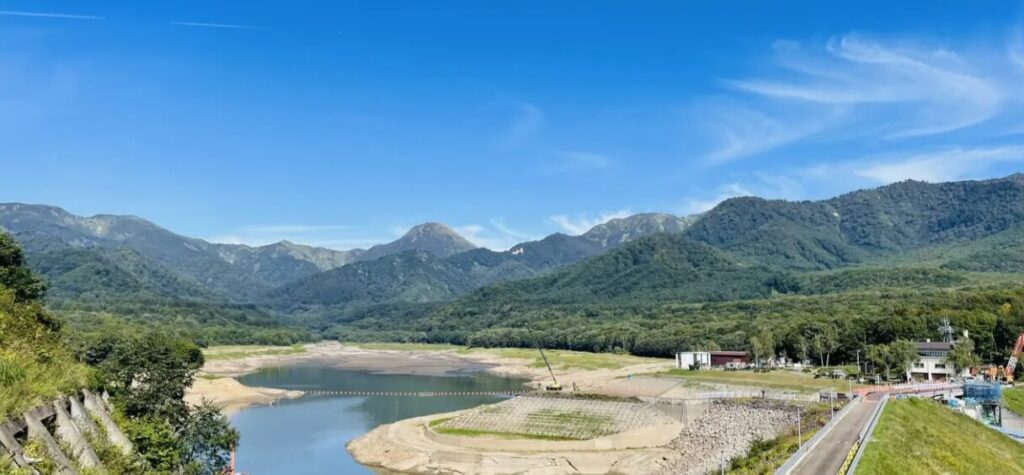
- Location:
Sasagamine Highlands, Myoko City, Niigata Prefecture
- Elevation:
Approx. 1,300 m
- Best Season:
June–October (closed in winter due to heavy snow)
By Car
- From Myoko-Kogen IC on the Joshinetsu Expressway: 30–40 minutes via Prefectural Route 39.
- Road narrows near the highlands; drive slowly, especially in fog.
- Free parking near Lake Otomi (about 60 spaces total).
By Public Transport
- From Myoko-Kogen Station (Echigo Tokimeki Railway): seasonal direct bus to Sasagamine (July–October).
- Bus fare: about ¥1,000 one way.
- Outside this period, a taxi is required (around ¥6,000–¥7,000 from the station).
Facilities & Tips:
- Restrooms and small rest areas are available at the Sasagamine Green House.
- No convenience stores nearby; bring lunch and water.
- Mobile signal is weak around the lake — download maps in advance.
- Weather changes rapidly; pack a windbreaker and warm layers even in summer.
Best Times to Visit
- June–July: Fresh greenery and wildflowers.
- September–October: Autumn colors peak, turning the forest into a tapestry of red, orange, and gold.
- Nighttime: With minimal light pollution, the stars seem to float just above the ridges — a favorite moment for astrophotographers.
Nearby Spots
- Naena Falls:
A dramatic 55-meter waterfall, known as “Earthquake Falls” for its thunderous roar.
- Myoko Kogen Onsen:
Relax in volcanic hot springs with mountain views after your hike.
- Imori Pond:
A peaceful pond reflecting Mount Myoko — another photogenic “mirror lake.”
Traveler’s Advice
- Start your visit early in the morning to catch the lake’s mirror reflection before the wind rises.
- Bring insect repellent in summer.
- Roads may close suddenly after heavy rain; always check the latest info on the Myoko Tourism Official Website.
- For photographers: a tripod and polarizing filter are useful for capturing lake reflections.
Reflection — A Hidden Gem Above the Clouds
The Sasagamine Highlands remind us that nature doesn’t need grandeur to move us — only silence and time.
In this quiet corner of Japan, clouds paint their own stories across the mountains, and the wind writes them anew each day.
To stand here, between forest and sky, is to feel both small and infinite.
This is one of Japan’s hidden gems — a sanctuary where travelers don’t just look at nature, but listen to it.
The Japanese version of this article is here.↓↓↓