- introduction
- The Takaichi Administration — From “Symbol” to “System”
- The Direction of the Takaichi Government — Reform Grounded in Reality
- Beyond the Framework of “Female Leader”
- Women in Global Leadership — Parallels and Contrasts
- Japan’s Future and the Redefinition of Leadership
- The Hope Structure Brought by Female Leadership
- Conclusion — The Future Changes Quietly
introduction
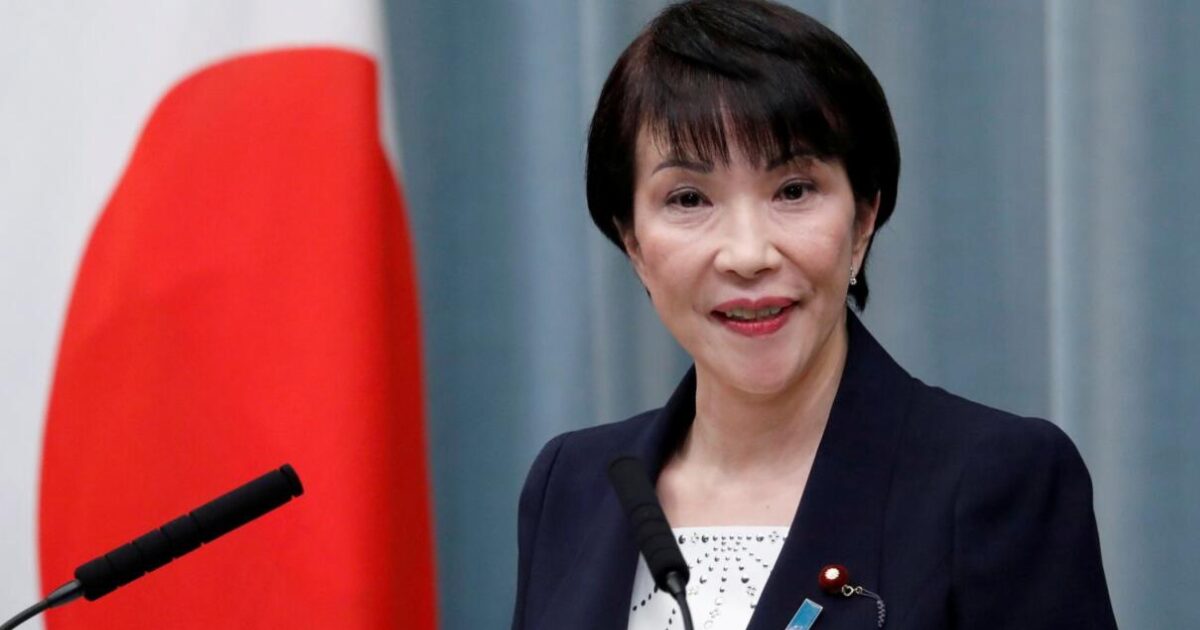
For the first time in Japan’s history, a woman has taken the seat of Prime Minister.
This event marks the beginning of a moment in which the structure and values of society are quietly being rewritten.
The birth of Prime Minister Sanae Takaichi, Japan’s first female leader in its constitutional history, has likely given even the younger generation—who once felt that politics was far away—a sense that their country is truly in motion.
In this article, we reflect on the social changes brought about by the rise of Japan’s first female Prime Minister, explore the global trends of women in leadership, and consider what kind of future Japan can begin to draw.


The Takaichi Administration — From “Symbol” to “System”
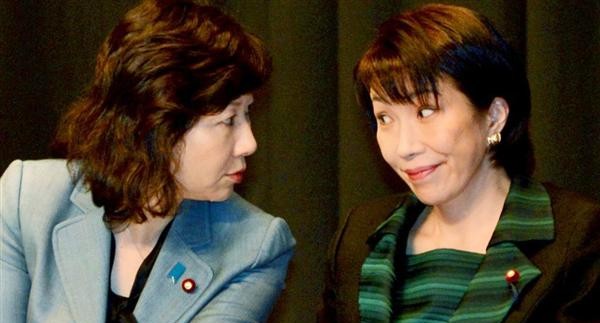
Since the birth of a female Prime Minister, the atmosphere of Japanese society has unmistakably begun to change.
It is not a dramatic overnight shift, but rather a quiet progression in which a symbol begins to move the system.
One of the most notable signs is that women in politics have found it easier to speak.
Until now, many female lawmakers chose their words carefully in meetings dominated by men, but under Prime Minister Takaichi, a new environment is emerging—one where they can express their opinions openly and confidently.
This influence is expected to extend to local assemblies and government offices as well, where more women will likely begin participating in policy proposals.
The power of symbolism is mysterious.
The existence of a single individual can expand the imaginative horizon of an entire society.
The rise of a female Prime Minister will, without doubt, fulfill that role.
The Direction of the Takaichi Government — Reform Grounded in Reality
Prime Minister Sanae Takaichi’s political style values practicality over spectacle.
Even when introducing new policies, she avoids flashy slogans and instead relies on data and concrete facts to explain her vision.
She has made economic security the central pillar of her administration, while clearly prioritizing investment in emerging fields such as generative AI, quantum technology, and the transition to a decarbonized society—areas that will shape Japan’s future.
Her aim, however, is not simply to stimulate economic growth; it is to answer a deeper question: “How can Japan protect its uniqueness in a changing world?”
At the same time, she is deeply committed to education and child-rearing policies.
By promoting “the correction of educational disparities” and “redistribution to local regions,” she seeks to reduce the opportunity gap between urban and rural Japan.
Her policy framework reflects both the perspective of ordinary citizens, often associated with female leadership, and the structural insight she developed as a graduate of political training institutions.
Together, these qualities are forming a coherent system of reform.
This approach has drawn the attention of younger generations.
Her belief that “it is not enough to speak of ideals—we must build systems” resonates strongly with today’s youth, who value realism over grand rhetoric.
Beyond the Framework of “Female Leader”
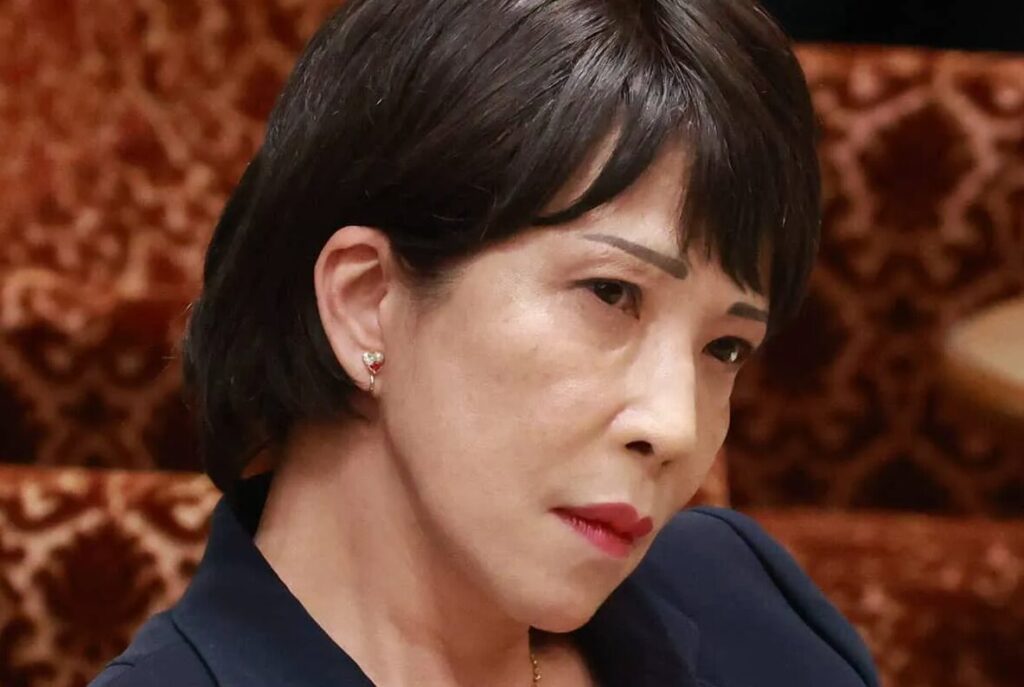
In Japan, the phrase “female leader” has long carried a sense of rarity or specialness.
However, with the rise of Takaichi as both party president and Prime Minister, that impression is beginning to change.
She is a politician who does not speak of gender, but of duty.
She does not use the phrase “because I am a woman.”
And precisely because of this, she has earned trust that transcends gender.
Japan is shifting from an era when women leaders were valued for their “female perspective” to one where leaders are judged by their human judgment and capability.
This represents a major turning point for society.
When women are no longer seen as exceptions but as one of many legitimate choices, that natural sense of equality will finally take root in Japan.
Women in Global Leadership — Parallels and Contrasts

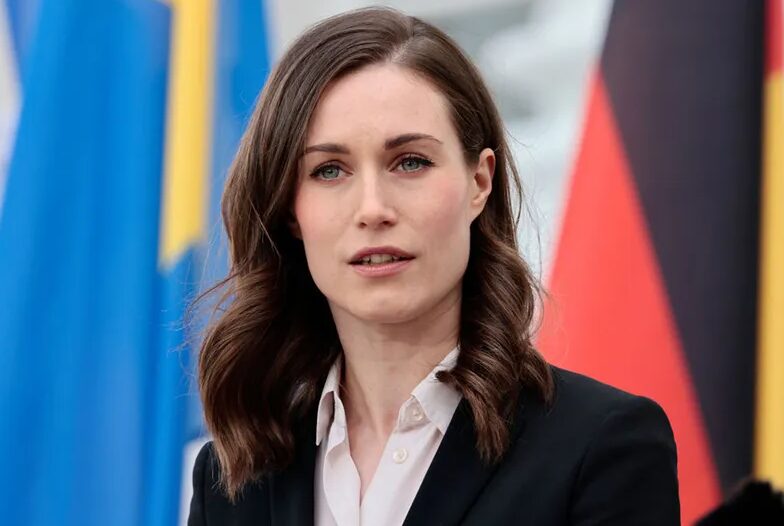
Let us broaden our view to the world.
The history of female leadership is remarkably diverse.
Each country’s leaders emerge from different cultures and historical contexts, yet one feature is common among them: they tend to rise during times of crisis or upheaval.
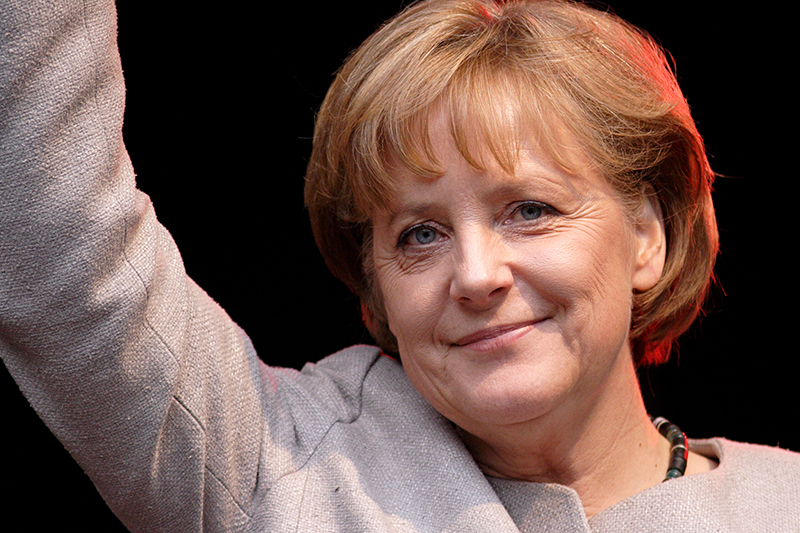
Angela Merkel, former Chancellor of Germany, was known for her calm judgment and realism.
With her background in science, she relied on data rather than emotion, earning respect for stabilizing Europe’s economy.
Jacinda Ardern, former Prime Minister of New Zealand, was a leader who united her people through empathy and compassion.
During the COVID-19 pandemic, she balanced strict measures with a gentle decisiveness that gained wide support, especially from younger generations.
Sanna Marin, former Prime Minister of Finland, rose to leadership in her thirties and developed a new form of political communication through social media.
Her remark—“A leader does not have to be perfect; only sincere”—came to symbolize a new era of political values.
And then there was Margaret Thatcher, former Prime Minister of the United Kingdom, often cited as an influence for Takaichi.
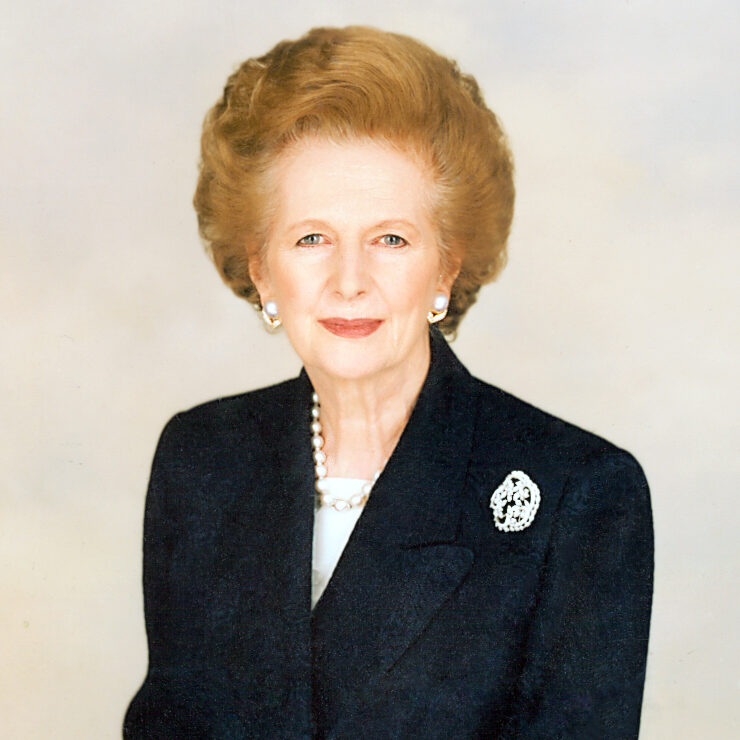

Thatcher was sometimes called “the Iron Lady.”
She pursued strong conservative reforms without fear of criticism, and is still remembered today—beyond ideology—as a politician of conviction.
One of her most famous quotes is worth recalling:
Thoughts become words,
words become actions,
actions become habits,
habits become character,
and character becomes destiny.
In politics,
if you want something said, ask a man;
if you want something done, ask a woman.
What unites these women is their prioritization of transparency over dominance.
They were not charismatic idols, but trusted leaders.
They created a new political culture—leadership through empathy.
We can see the same qualities in Prime Minister Takaichi.
Rather than stirring emotions, she speaks with deliberate, thoughtful words.
Rather than flashy reforms, she works to refine the system itself.
Her attitude resembles not Thatcher’s confrontational energy, but Merkel’s quiet strength.
Takaichi’s goal is likely long-term stability.
It is not the pursuit of short-term popularity but a leadership style built upon the idea of social maturity.stability — not popularity, but leadership based on social maturity.
Japan’s Future and the Redefinition of Leadership
The most significant impact of a female leader’s emergence is that it forces society to reconsider a fundamental question: What does it mean to lead?
In Japan, leadership has long been associated with loud voices and quick decisions.
But today, a different kind of leader is needed—someone who listens, reads the data, takes time to think, and then decides quietly.
Through Takaichi’s example, Japan’s concept of leadership will surely diversify.
Not only in politics but across companies, schools, and local governments, we may see a growing shift from valuing the power to decide to valuing the power to listen.
The idea that leadership is not about showing strength but about building trust is gradually taking root in Japanese society.
The Hope Structure Brought by Female Leadership
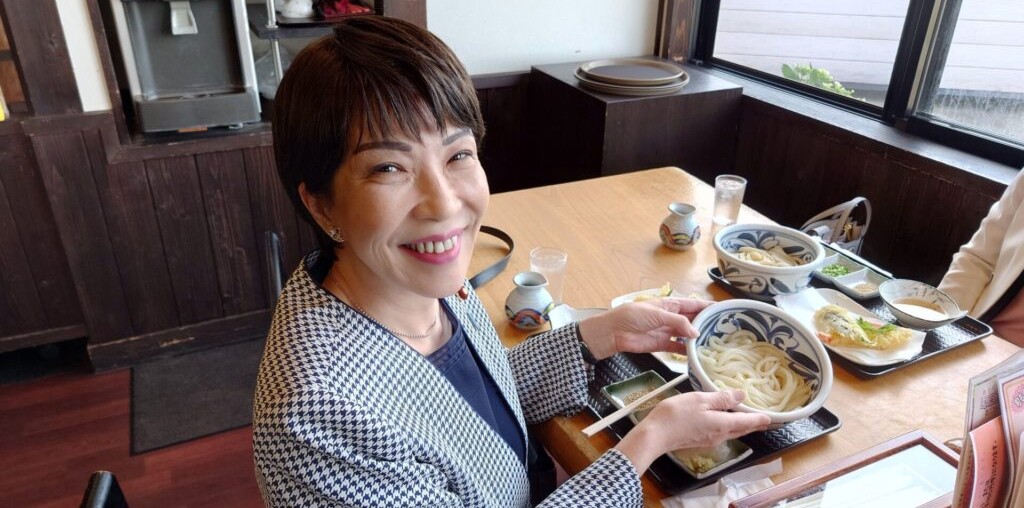
The emergence of a female Prime Minister does not only create visible change in society.
It carries a quieter, yet profound, force — the creation of a structure of hope.
When children see a female Prime Minister on the news, more girls may begin to name “politician” as their future dream.
Such change is difficult to measure in numbers, yet it represents one of the most meaningful steps forward for society.
Women who once hesitated to voice opinions at work or in their communities may begin to feel, “It’s okay for me to speak.”
That small courage will ripple outward, spreading through the corners of society.
And those countless ripples will, over time, reshape culture itself.
Prime Minister Takaichi’s presence serves as the catalyst for this transformation.
Her power lies not only in politics, but in the quiet re-creation of how society itself functions.
That, perhaps, is the true value of a woman leader as a symbol.
Conclusion — The Future Changes Quietly
he transformation that began with the birth of Japan’s first female Prime Minister is still an unfolding story.
Society will not change overnight.
Yet we can already see the path toward a country where the next generation can live more freely.
Sanae Takaichi is a politician who leads not through fiery words but through sincere explanation and quiet decision-making.
Her attitude itself symbolizes a new Japan.
We are entering an era where a leader is judged not by gender but by conviction and responsibility.
At last, Japan stands at the threshold of that era.
The future does not arrive suddenly.
It changes little by little, quietly, but unmistakably.
The story of Japan’s first female Prime Minister is only the first chapter in the nation’s effort to turn maturity from an ideal into a living reality.
The Japanese version of this article is here.↓↓↓