- Introduction
- A Railway-Born Dream: The Origins of the Takarazuka Revue
- The Ideal Portrayed by Women: What Makes Takarazuka Special
- The Five Troupes & Their Stars: Organisation Sustaining the Art
- Takarazuka Music School: Cultivating Beauty Through Discipline
- Theatre Experience: Where the Magic Happens
- A Stroll along Hana no Michi & the World of Osamu Tezuka
- Tickets, Merchandise & Pre-/Post-Show Enjoyment
- Decoding the Takarazuka Experience: Beauty, Desire & Ideal
- Significance: A Living Bridge of Japanese Culture
- Conclusion
Introduction
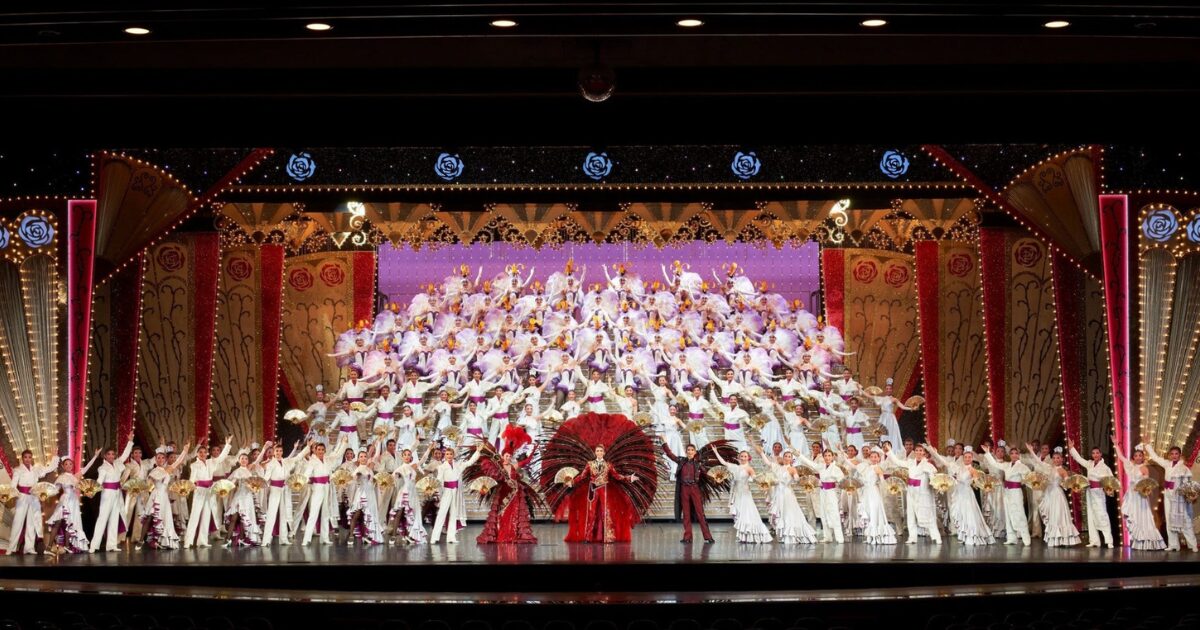
Glamorous, elegant, and overwhelmingly precise. The Takarazuka Revue is a truly unique presence among Japan’s theatrical arts.
With a history spanning more than a century and every role played by women, this company has long led audiences into a realm of dreams, guided by the motto “pure, correct, beautiful.”
Its stage hovers at the boundary of reality and fantasy, where dance, song and drama fuse to captivate the viewer’s heart.
Behind this spectacle lies an astonishingly meticulous system. The renowned Takarazuka Music School, five resident troupes (Flower, Moon, Snow, Star, Cosmos), the Hyōgo headquarters and Tokyo sister theatre, together with the “Takarazuka Tomo no Kai” fan club and the dedicated channel “Takarazuka Sky Stage”, form what can truly be called “a cultural sphere.”
For those wishing to immerse themselves in deeper layers of Japanese culture, Takarazuka is an art destination worth visiting.
In this article we will carefully guide you through its origins, charms and how to enjoy a performance.
A Railway-Born Dream: The Origins of the Takarazuka Revue
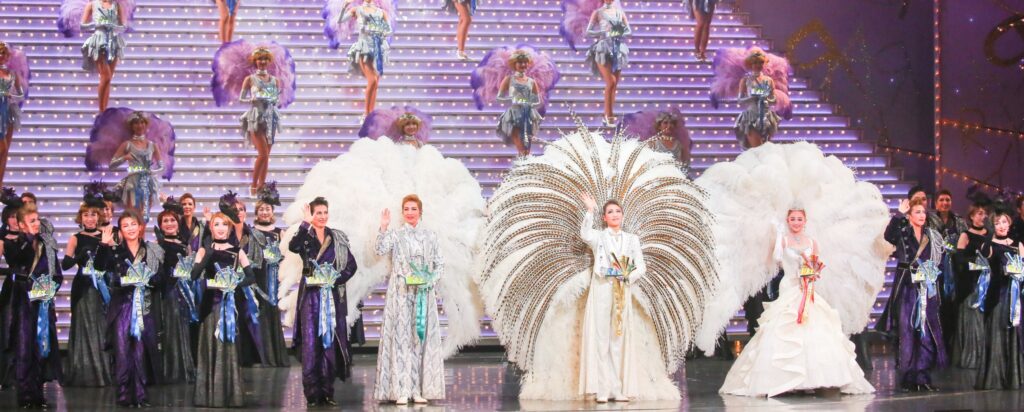
The history of the Takarazuka Revue stretches back to 1914. Ichizō Kobayashi, founder of Hankyu Railway, was not just a rail executive but a visionary cultural producer.
At a time when the railway’s greatest challenge was “drawing people to the line”, he conceived a plan to combine transportation and entertainment—to build a tourism destination. He chose Takarazuka, a hot-spring spa town, and established an entertainment facility and an all-girls opera troupe—this was the birth of the Takarazuka Girls Opera Corps.
Kobayashi fused the sparkle of Western operetta with Japanese etiquette and purity, and elevated it into a distinct art form.
What emerged was a women-only revue, soaring in popularity almost overnight as an escape stage where ordinary people could dream.
The Ideal Portrayed by Women: What Makes Takarazuka Special
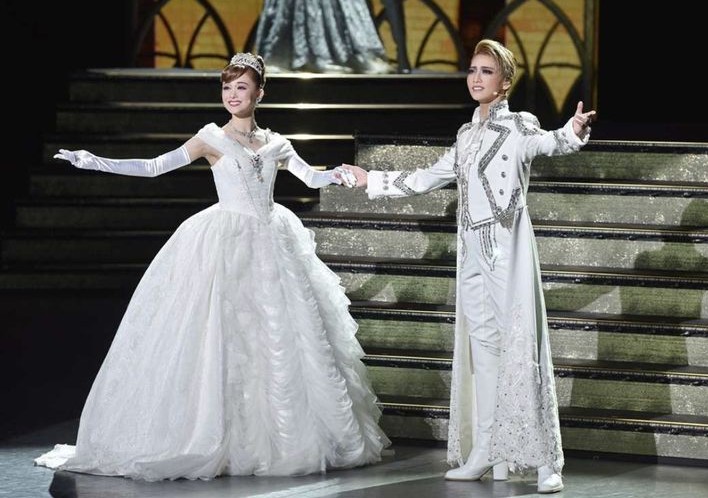
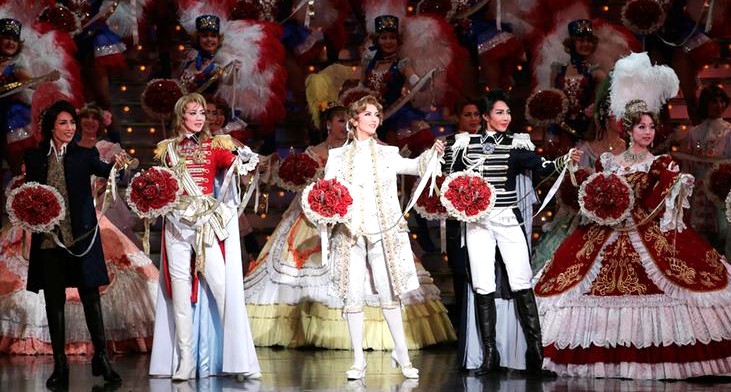
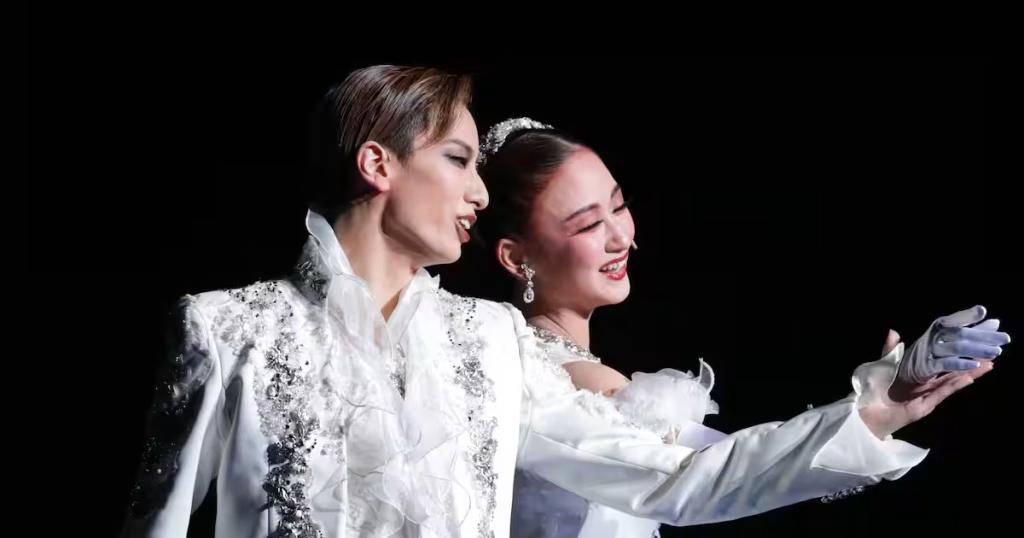
The greatest hallmark of Takarazuka is that every performer is female.
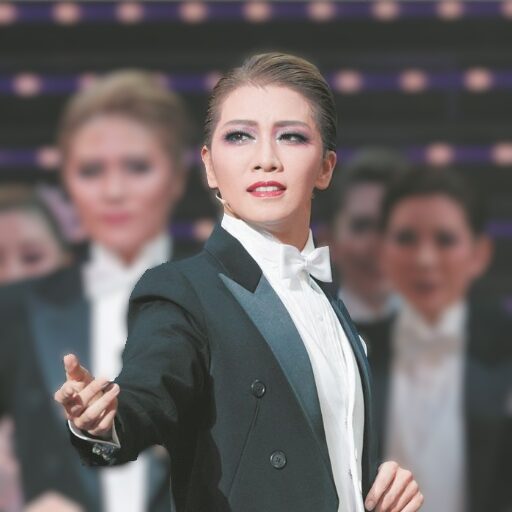
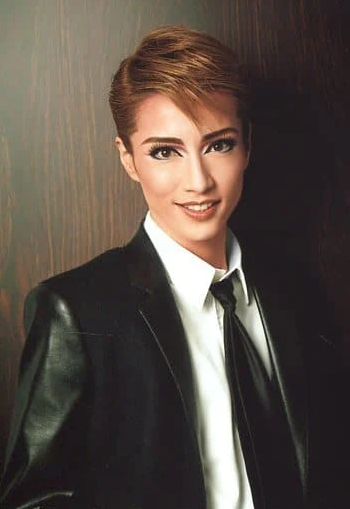
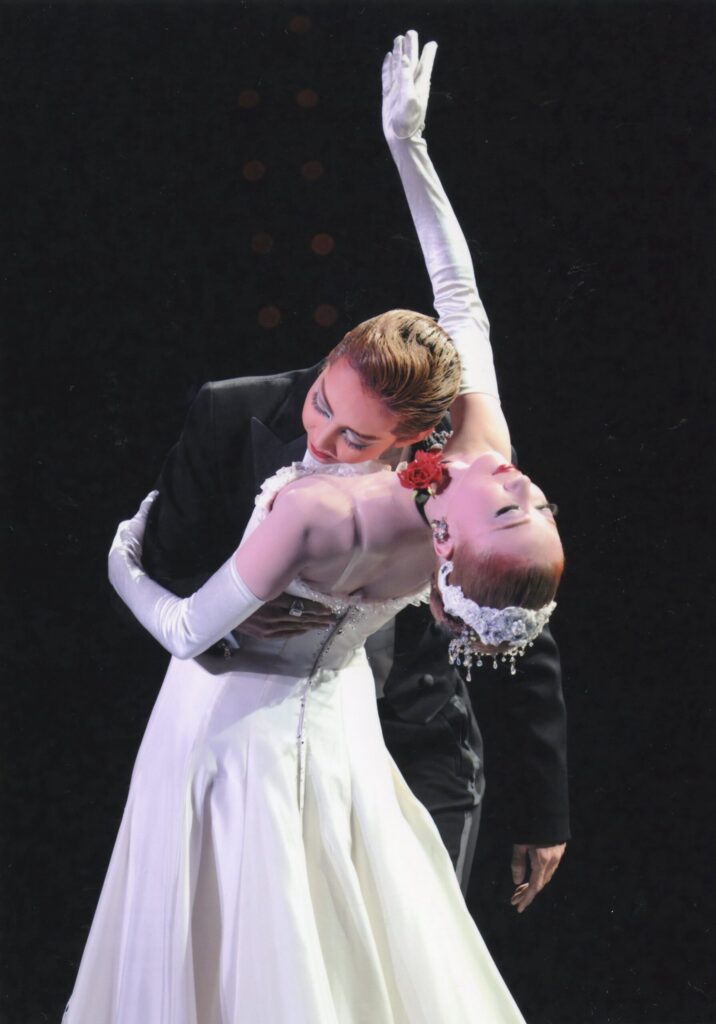
Women who play male roles are called otokoyaku (male-role actors); those who play female parts are musumeyaku (daughter-role actors).
This pairing creates a world that transcends real-life gender relations and shows an idealised relationship between masculine and feminine.
The otokoyaku embody an “ideal man”—strong yet gentle.

The musumeyaku present an “ideal woman”—soft and graceful.
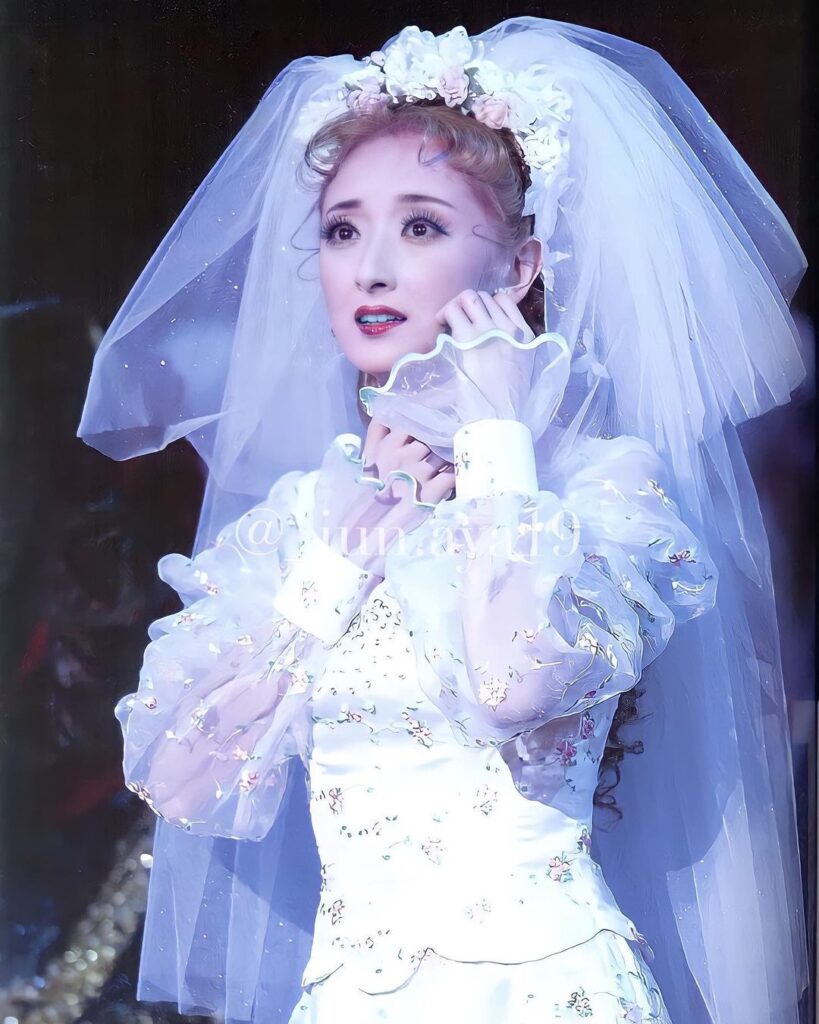
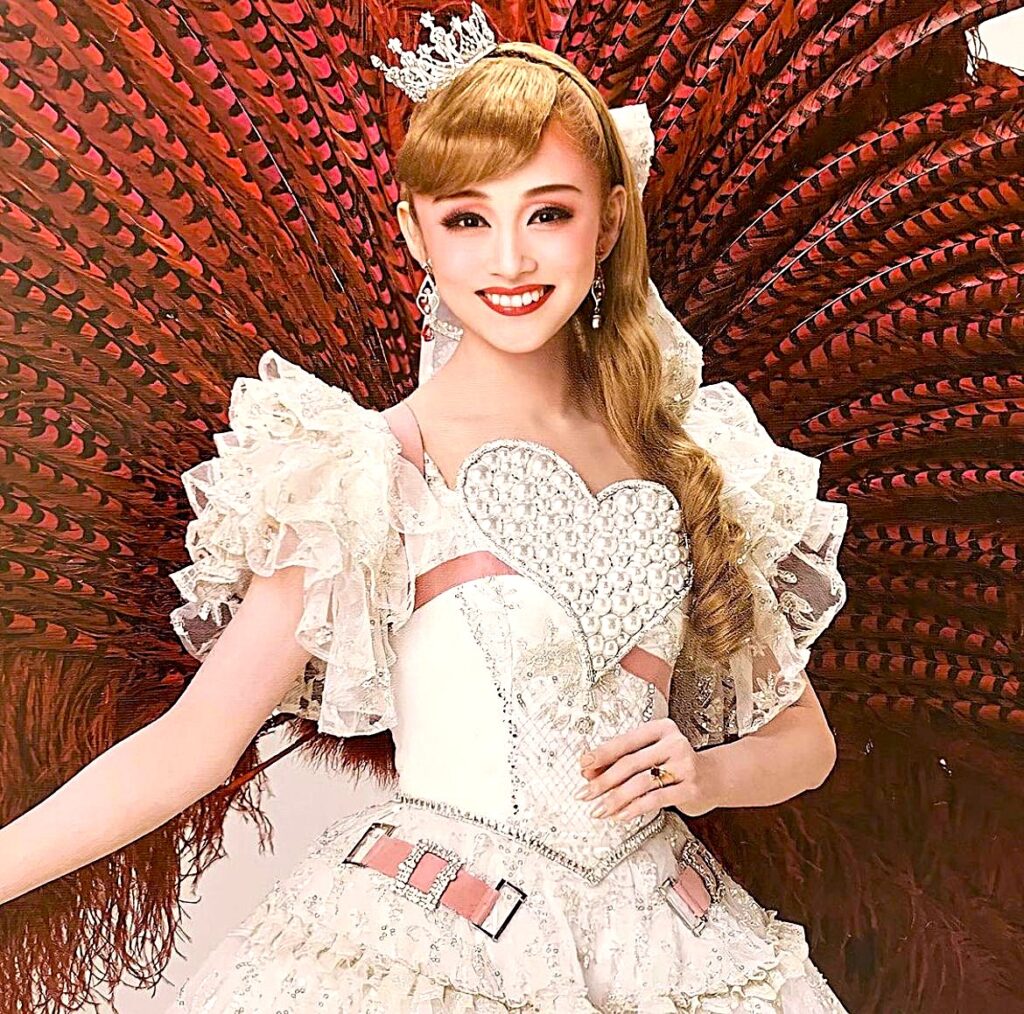
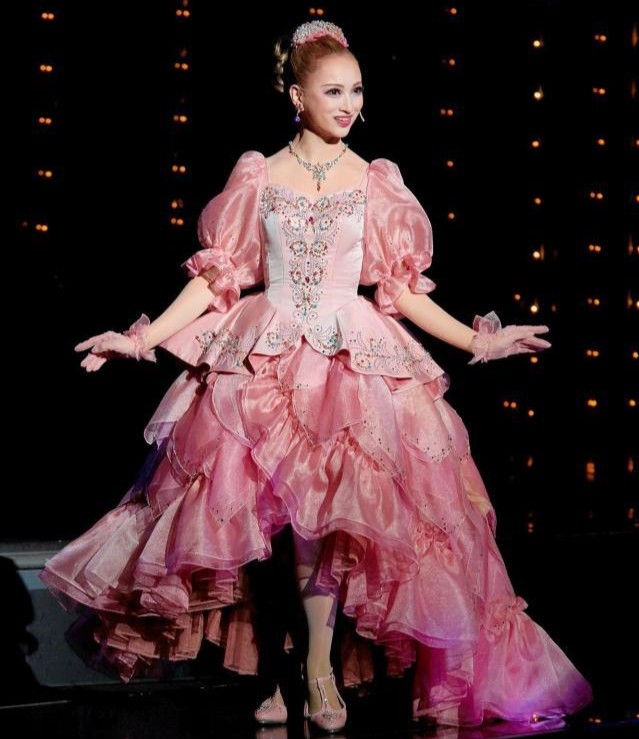
This contrast is the very aesthetics of Takarazuka, and seeing it allows the audience to dream and to release their hearts.
The stage of Takarazuka isn’t just entertainment—it stands for a way of life. Many women see in it strength, kindness and pride, and draw from it the courage to live on their own terms.
The Five Troupes & Their Stars: Organisation Sustaining the Art
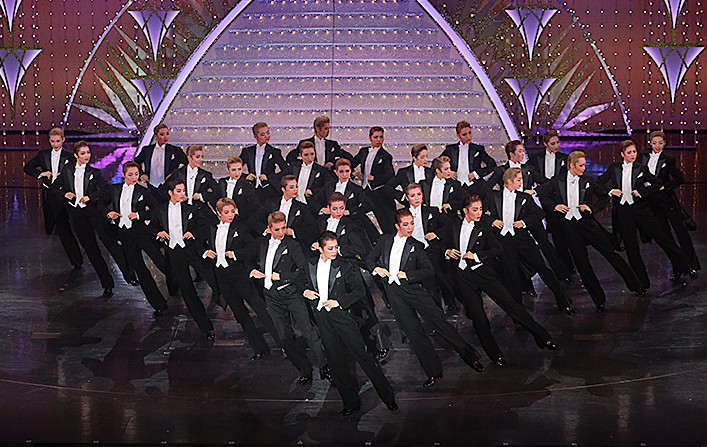
The Takarazuka Revue is divided into five troupes: Flower, Moon, Snow, Star and Cosmos. Each has its own history, personality and repertoire style.
- Flower Troupe: Glamorous and elegant, often presenting classic works and major musicals.
- Moon Troupe: Known for strong acting skills and deep human dramas.
- Snow Troupe: Rich in emotion and subtlety, often performing Japanese-themed masterpieces.
- Star Troupe: Dynamic and energetic, strong in lavish review-style shows.
- Cosmos Troupe: Actively embraces new challenges; lately presenting international musicals.
At the centre of each troupe stands the “Top Star” (otokoyaku) and her partner, the “Top Musumeyaku”. After a 2–3 year tenure, they lead the production and their departure becomes a major event.
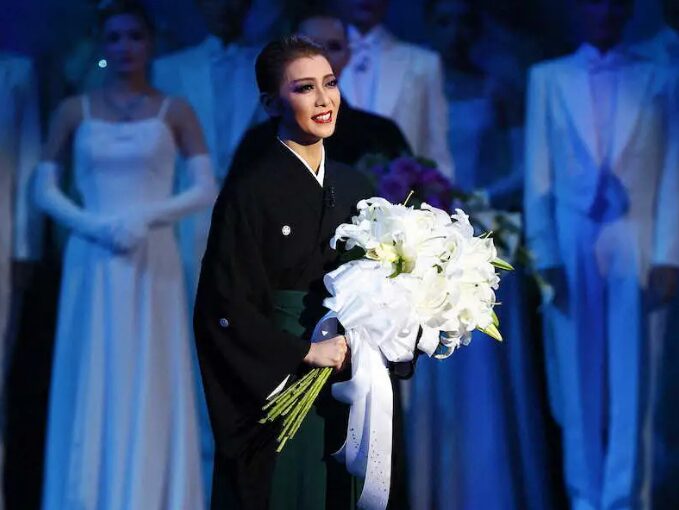
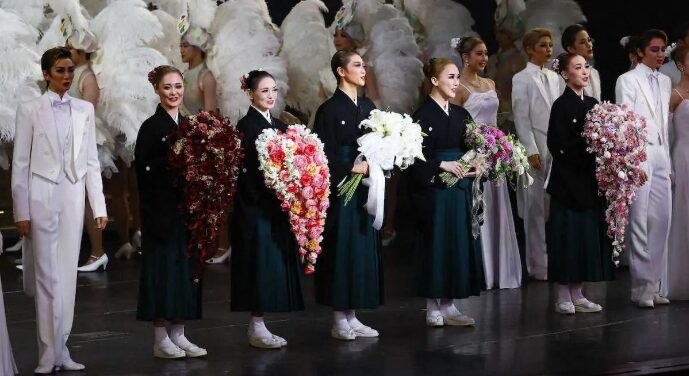
In addition, the special team known as Senka comprises veteran actors not tied to one specific troupe—they support other troupes and maintain performance quality. This organisational structure is the reason the Takarazuka Revue has sustained high standards for over a century.
Takarazuka Music School: Cultivating Beauty Through Discipline
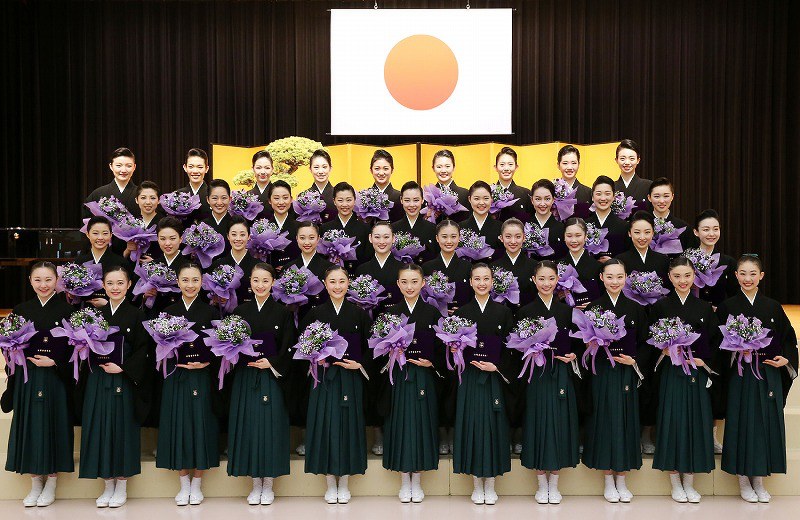
The Takarazuka Music School is the only gateway to the stage. The entrance exam assesses singing ability, rhythm, appearance and etiquette—with acceptance rates around 20-to-1 in many years.
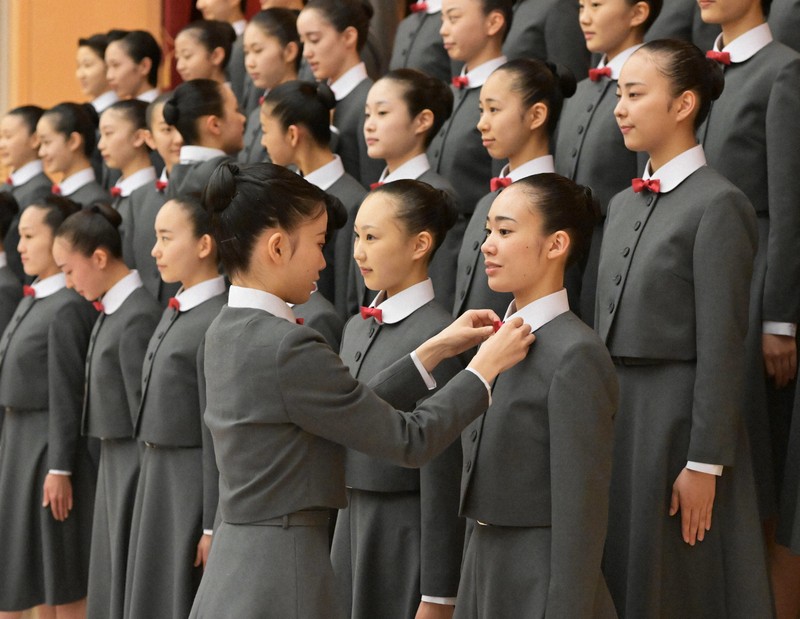
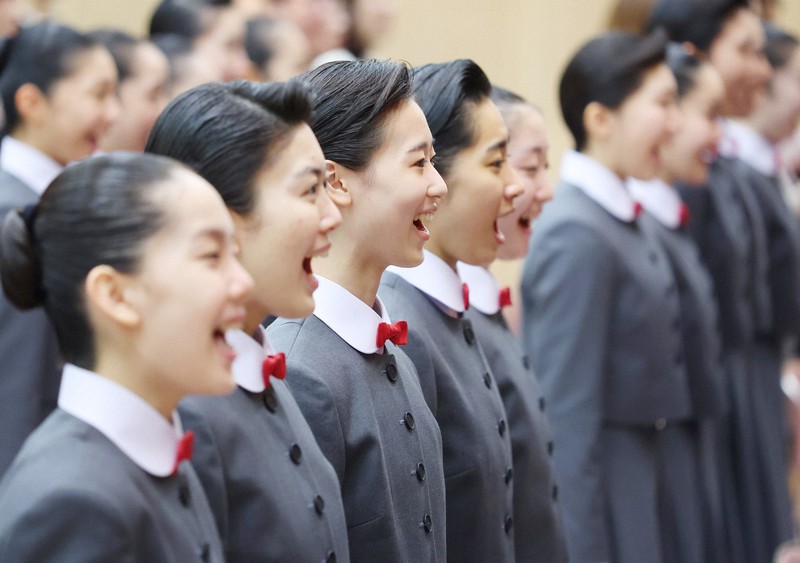
During the two-year dormitory life, students train rigorously in manners, greetings and posture, as well as dance and singing. They wake at 6 am and practise late into the night. The phrase “greeting is the first step of the revue” symbolises the fact that before art, they polish their character.
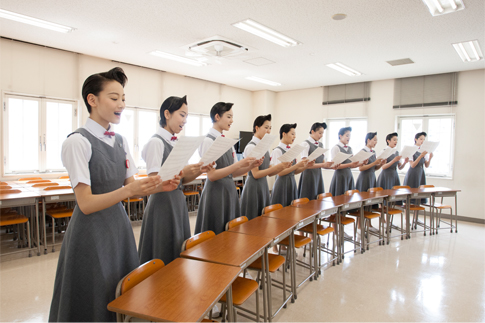
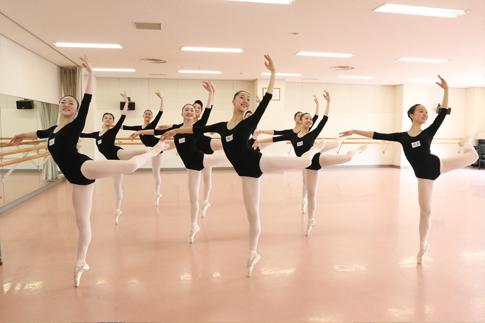
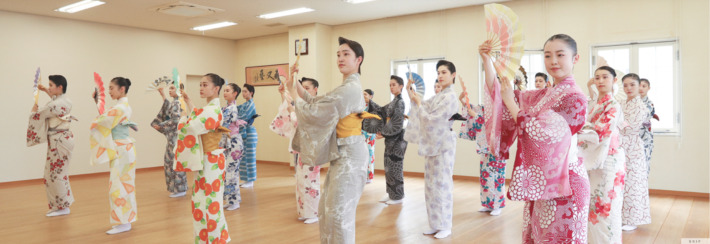
After graduation they take the “first stage” performance and then officially join a troupe. In that uniform-dress debut, the sense of unity over the individual becomes clear—a reflection of Takarazuka’s spirit.
Theatre Experience: Where the Magic Happens
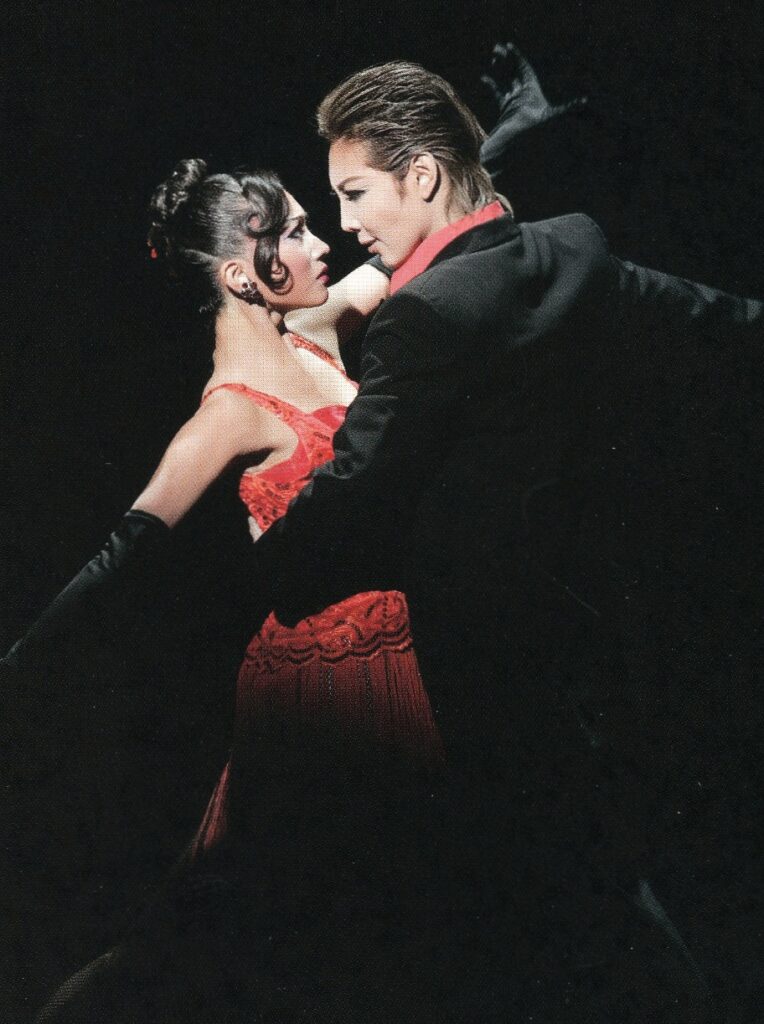
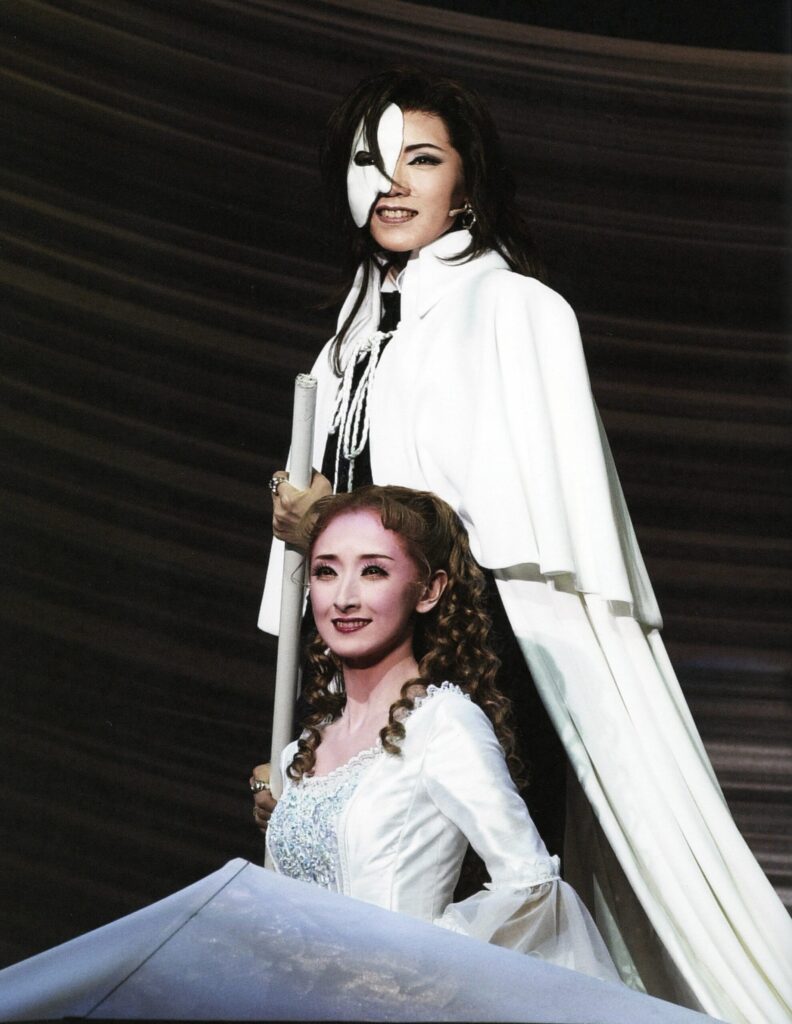
Takarazuka Grand Theater (Hyōgo Prefecture)
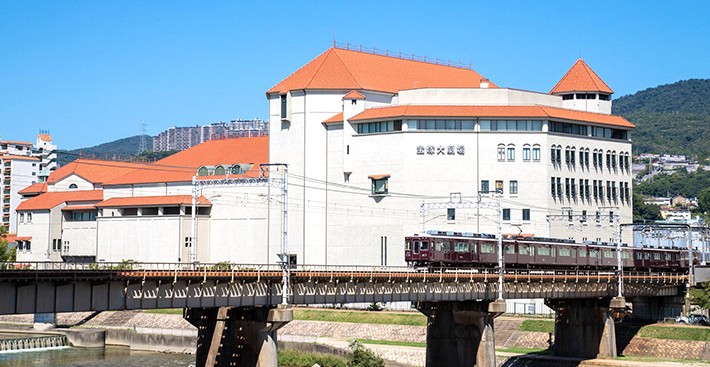
Located in Takarazuka city, the Takarazuka Grand Theater is the true home of the revue. With approximately 2,550 seats, its acoustics, lighting and stage rigging are all custom-designed. First-time visitors often find the scale and sophistication breathtaking.
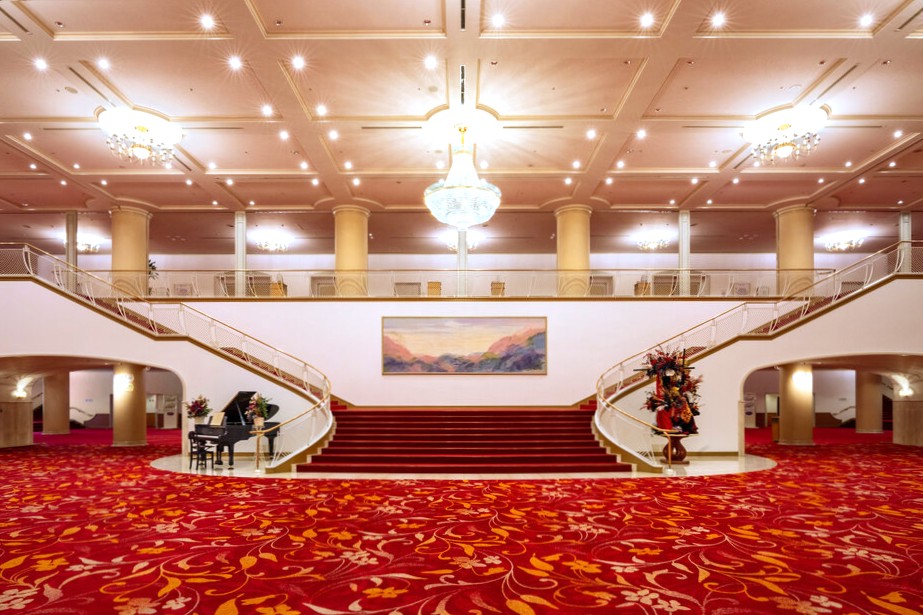
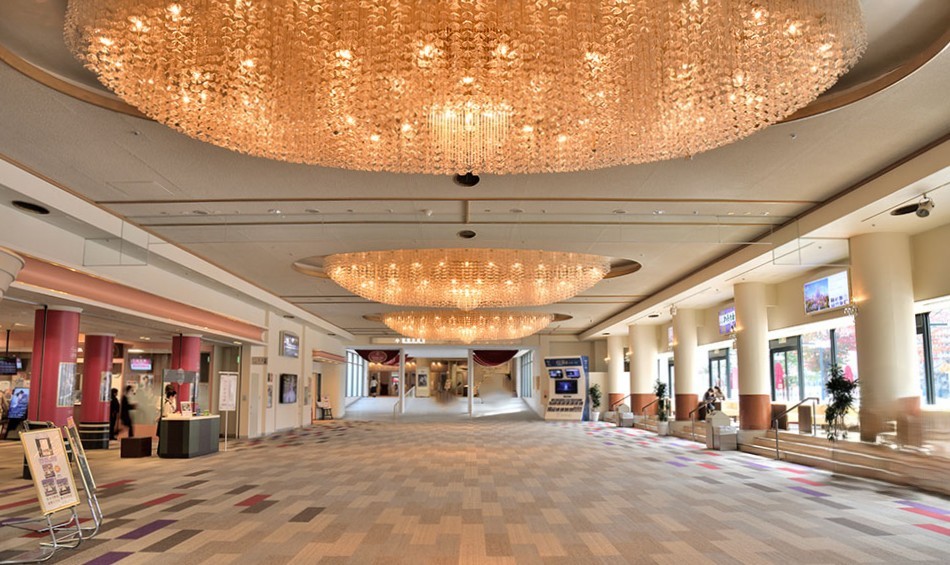
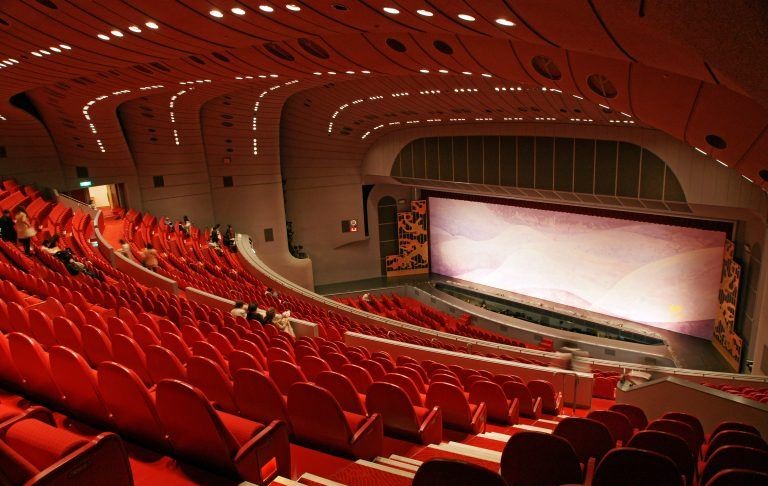
Inside the building are the “Takarazuka Revue Museum”, the official shop “Quatre Rêves”, cafés and exhibition spaces.
- Access: From Osaka–Umeda by Hankyu Railway in about 35 minutes.
- Nearby attractions: The Flower Road promenade and the Tezuka Osamu Museum are within walking distance.
- Accommodation: The “Takarazuka Hotel”, renewed in 2020, stands beside the theatre.
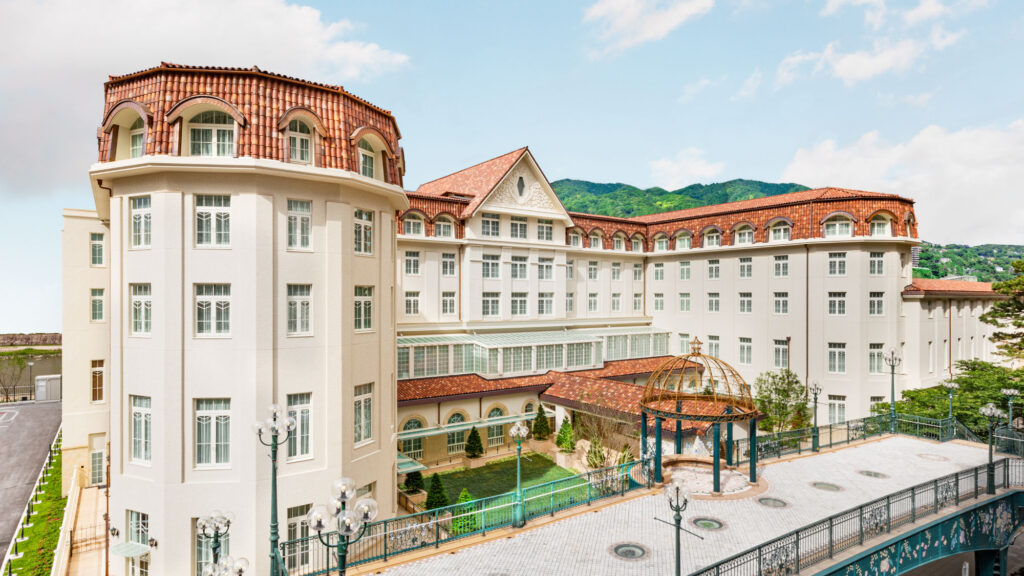
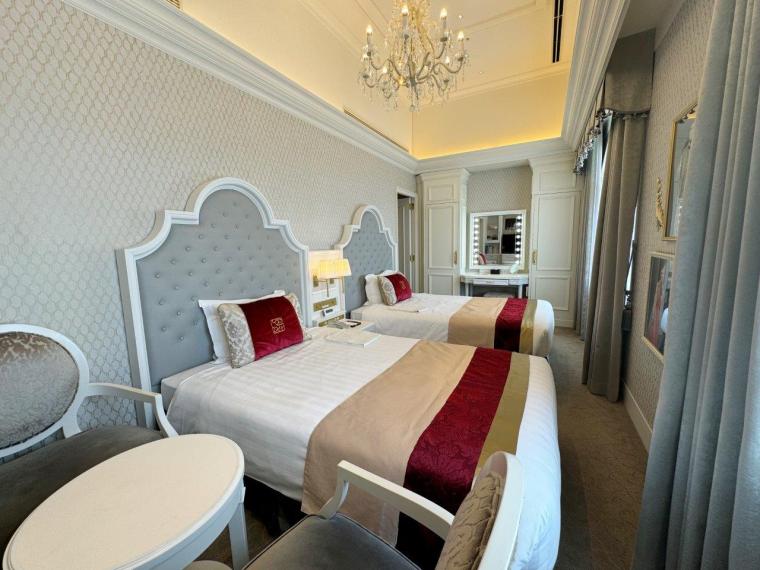
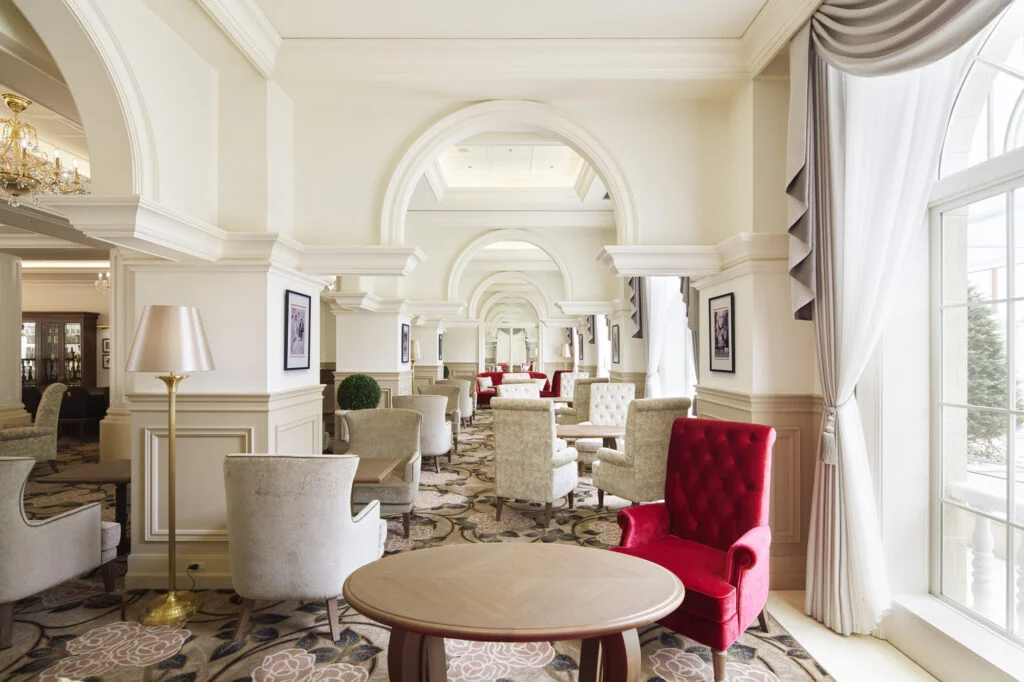
Tokyo Takarazuka Theater (Yūrakuchō)
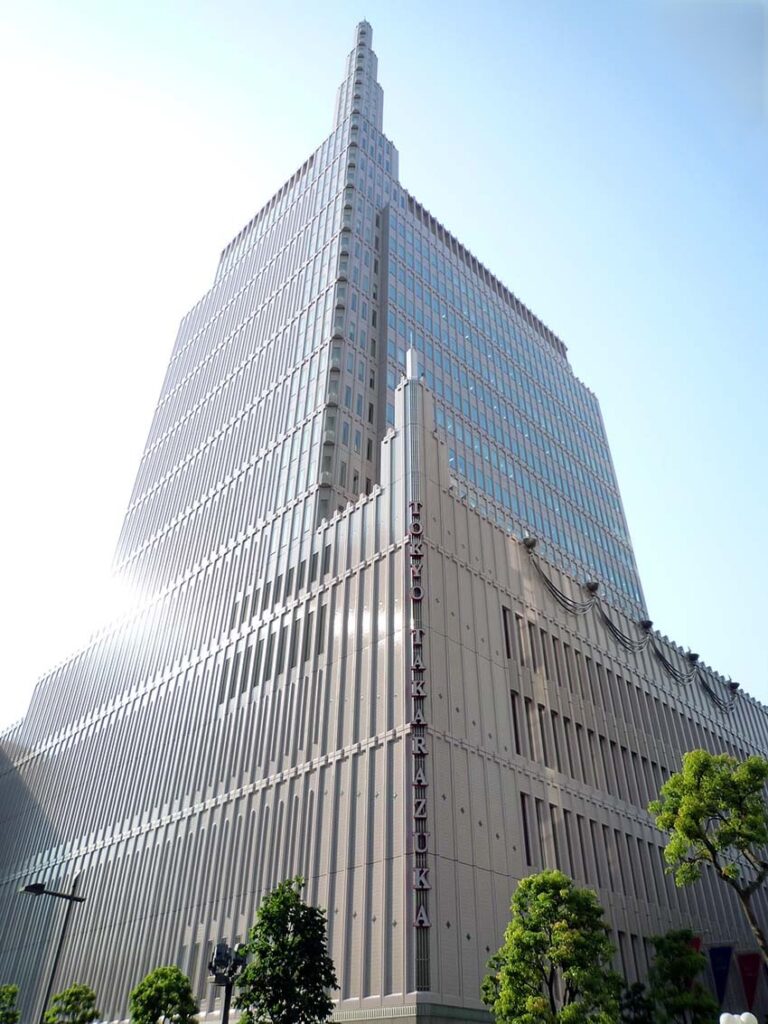
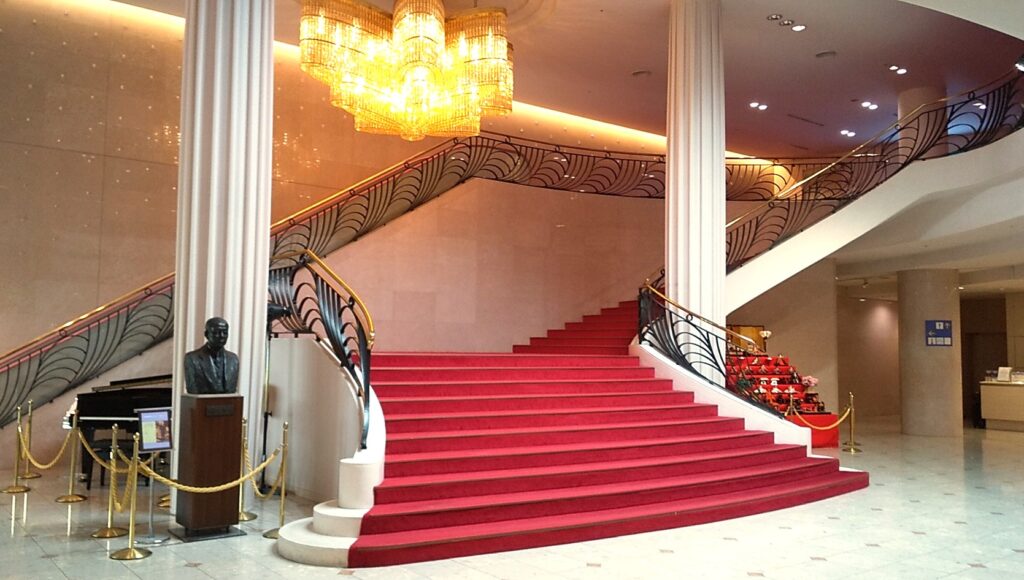
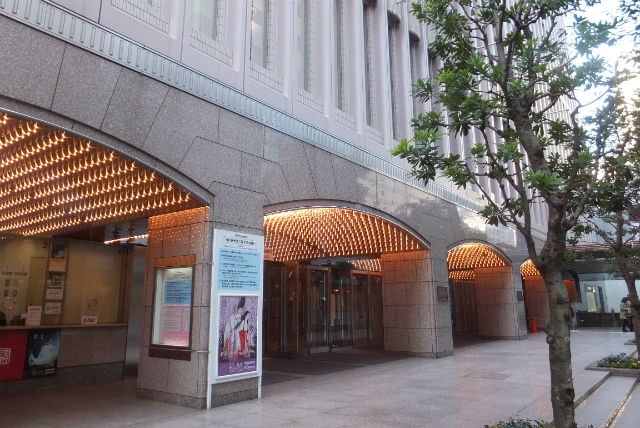
The Tokyo Takarazuka Theater in Yūrakuchō offers a city-centre version of the experience. Its stage setup is identical to the Hyōgo theatre, allowing productions to transfer smoothly between the two. It lies just five minutes’ walk from Yūrakuchō Station and near Hibiya Station—perfect for combining sightseeing and theatre.
A Stroll along Hana no Michi & the World of Osamu Tezuka
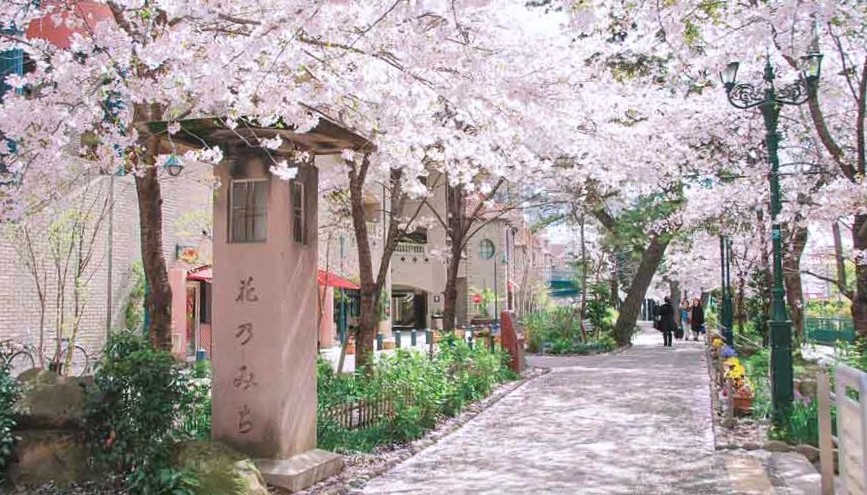
From Hankyu Takarazuka Station to the theatre, the tree-lined promenade called “Hana no Michi” (Flower Road) stretches about 400 metres. In spring its cherry blossoms bloom, in winter holiday lights sparkle. This path acts as the audience’s pre-show ritual—a transition from everyday life into dream.
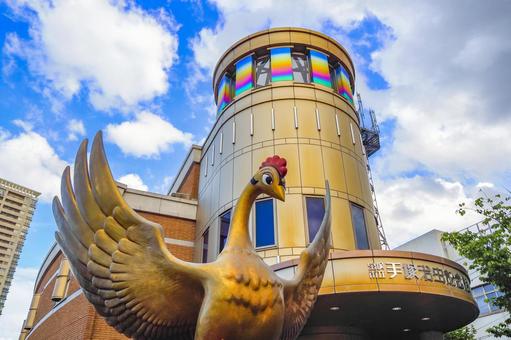
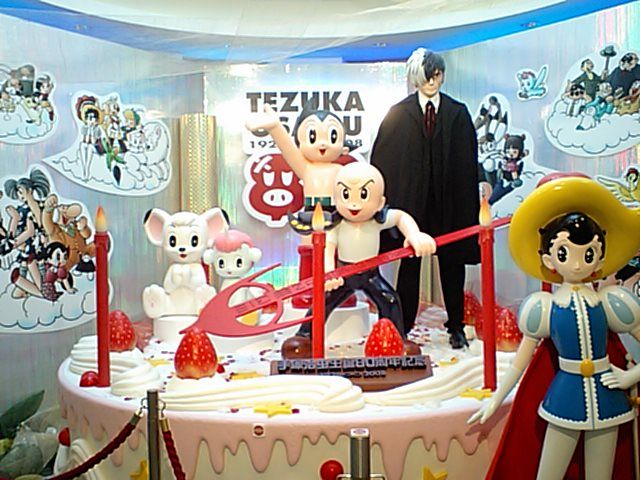
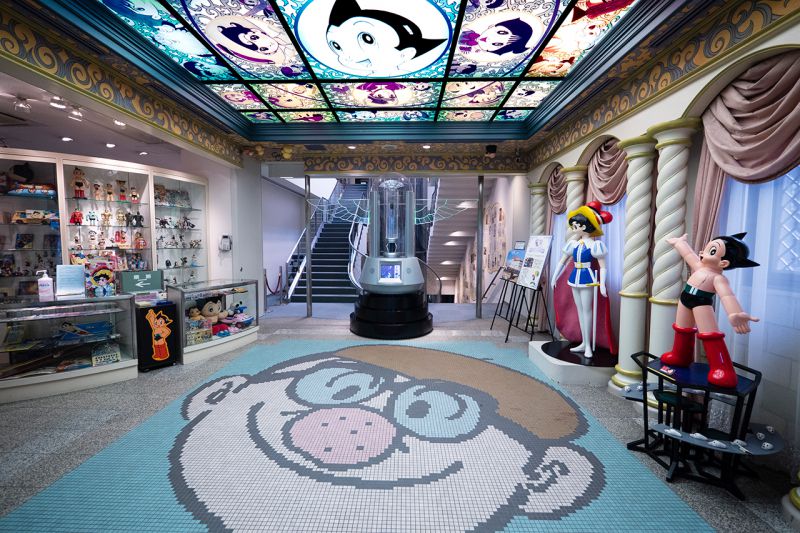
Nearby stands the Osamu Tezuka Museum, ten minutes on foot. Tezuka, the “Walt Disney of Japan”, spent his youth in Takarazuka, and his stage-inspired world influenced manga like Princess Knight and Phoenix. Here you can trace the link between performance art and the world of Japanese comics, deepening your sense of Japanese culture.
Tickets, Merchandise & Pre-/Post-Show Enjoyment
- Tickets: Available via the official website and other outlets. Popular shows often sell out early.
- Merchandise (“Quatre Rêves”): The flagship store offers programmes, photo books, limited items—and there is an online shop with international shipping announced.
- “Takarazuka Sky Stage” Channel: A dedicated Japanese cable channel broadcasting past performances and behind-the-scenes content—useful if live attendance isn’t possible.
Decoding the Takarazuka Experience: Beauty, Desire & Ideal
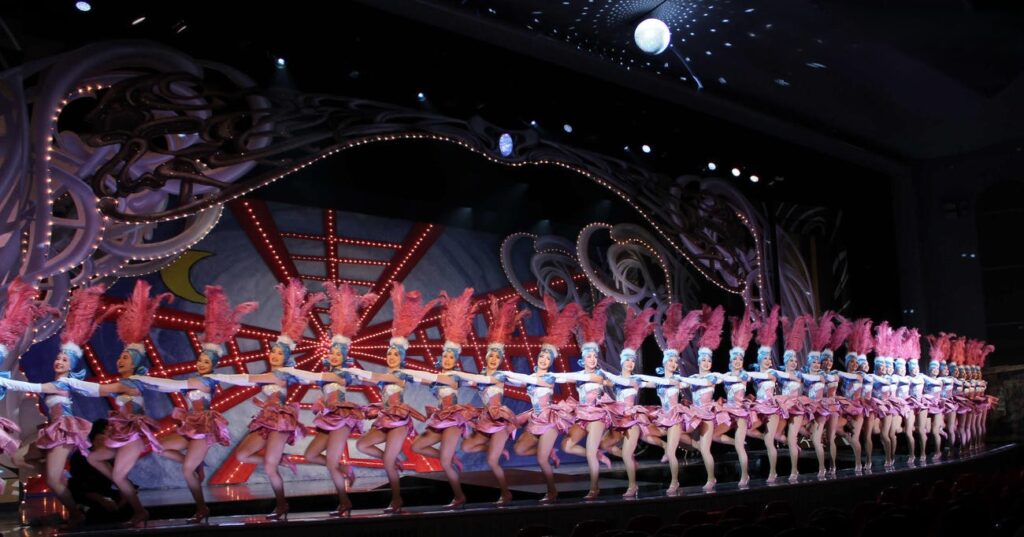
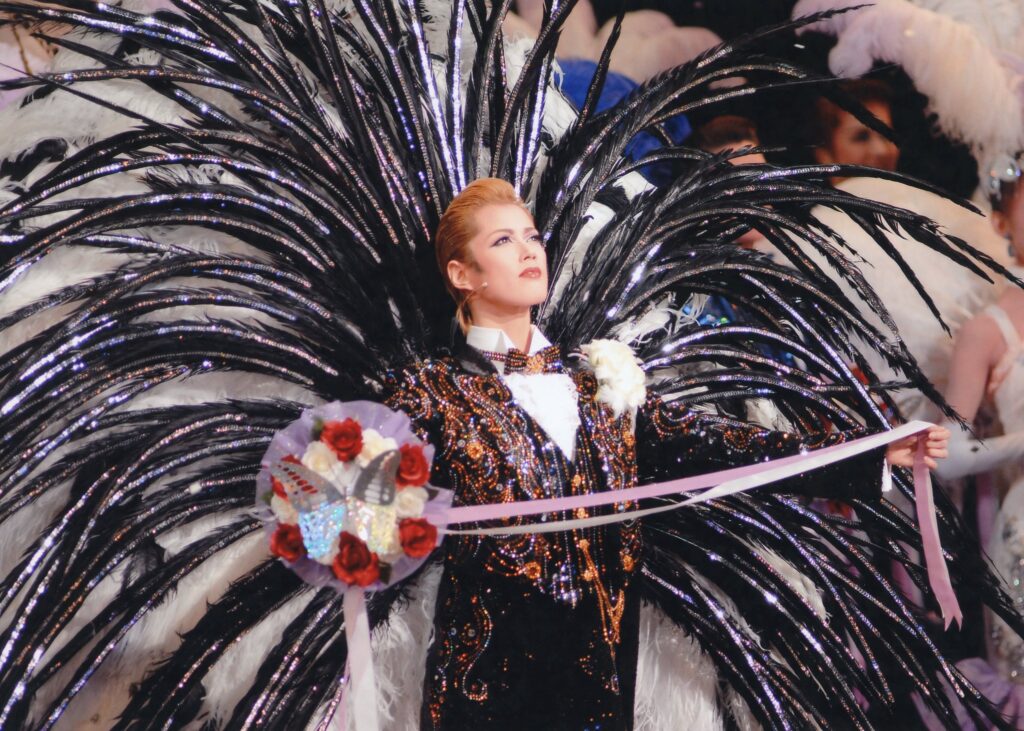
The Takarazuka Revue is more than musical theatre—it is a “proposed way of life”. The otokoyaku’s androgynous charm symbolises an idealised form of freedom beyond gender; the musumeyaku’s elegance embodies Japanese aesthetic grace.
Audiences allow themselves to project their ideals and hopes into this stage world. Thus Takarazuka becomes not just art, but a theatre of human possibility.
Significance: A Living Bridge of Japanese Culture
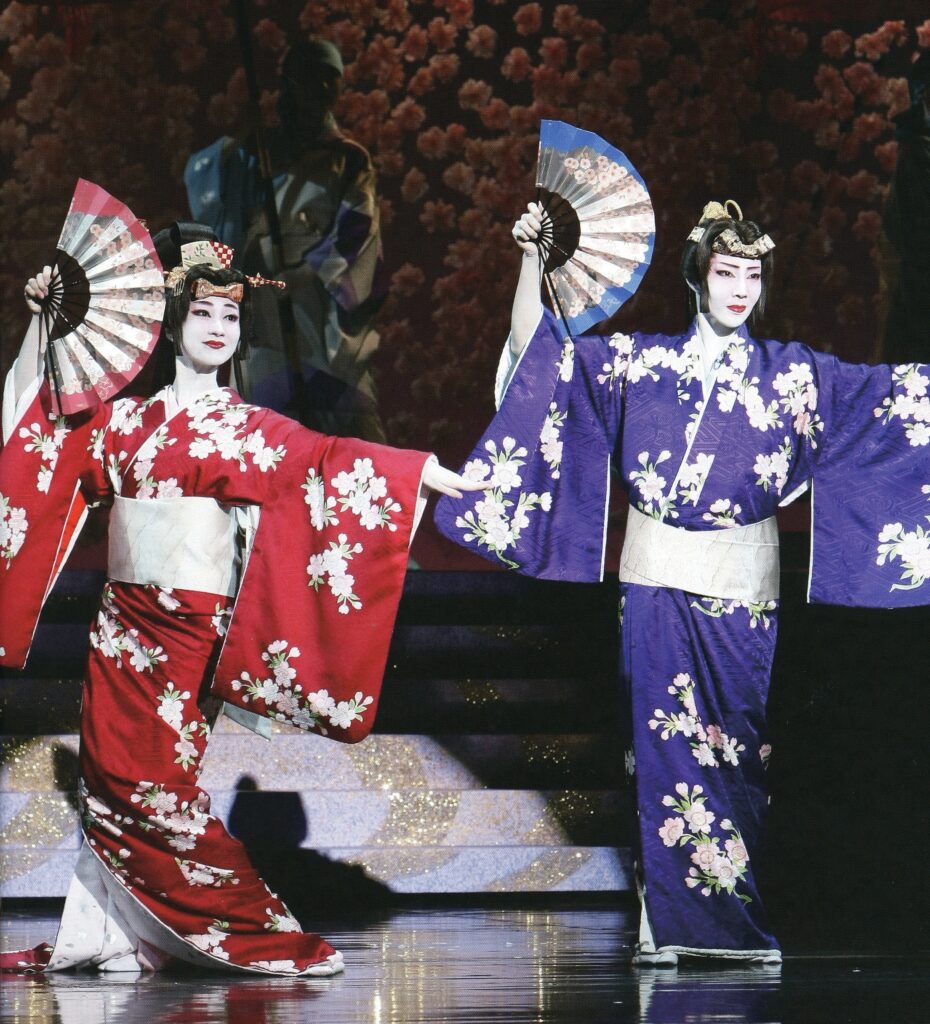
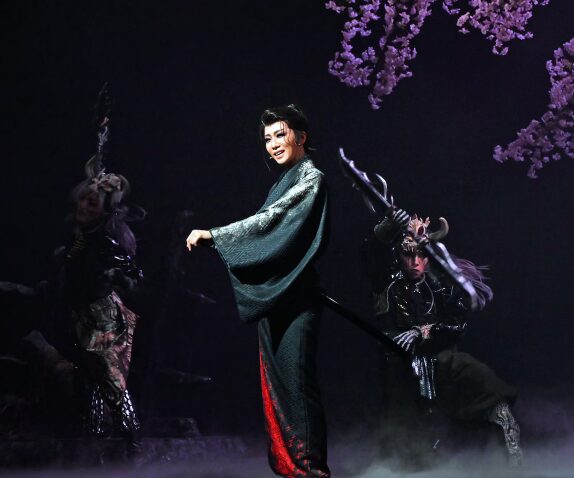
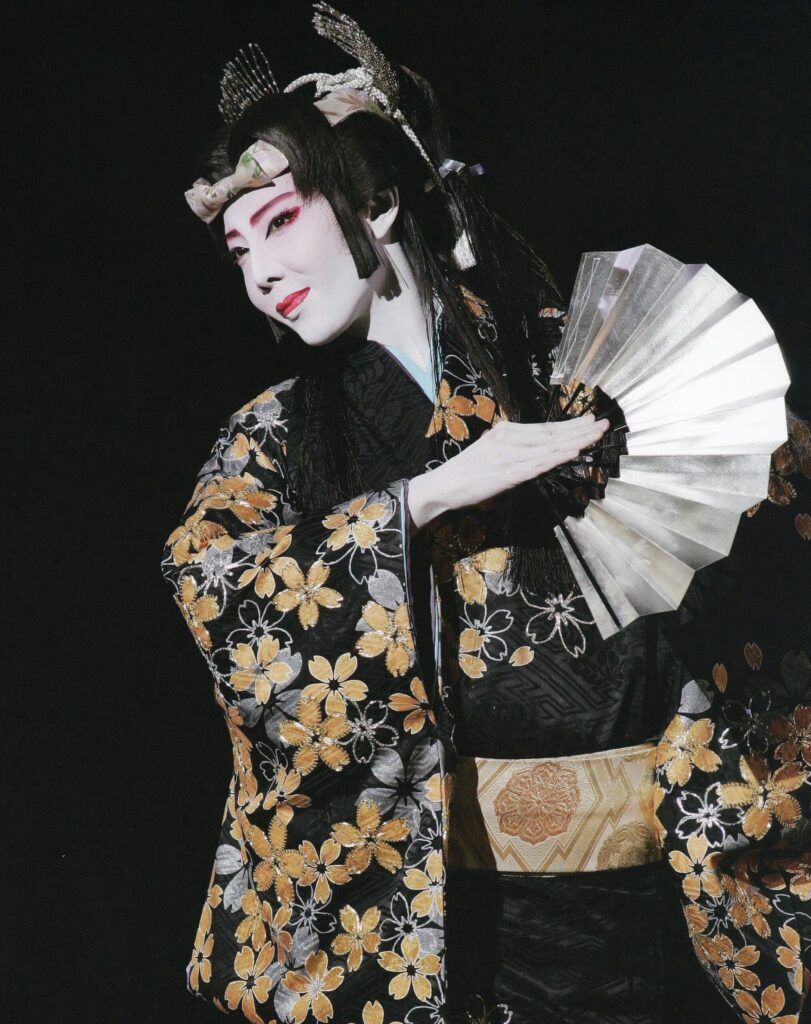
Takarazuka takes the Western revue style and blends it with Japanese stage craft, movement, timing and space. Its overseas tours in Asia and Europe have been hailed as “this is Japanese beauty”.
Maintaining both tradition and innovation for over a century, the Takarazuka Revue stands as a vibrant emblem of Japanese culture—an institution that entertains while still preserving cultural depth.
Conclusion
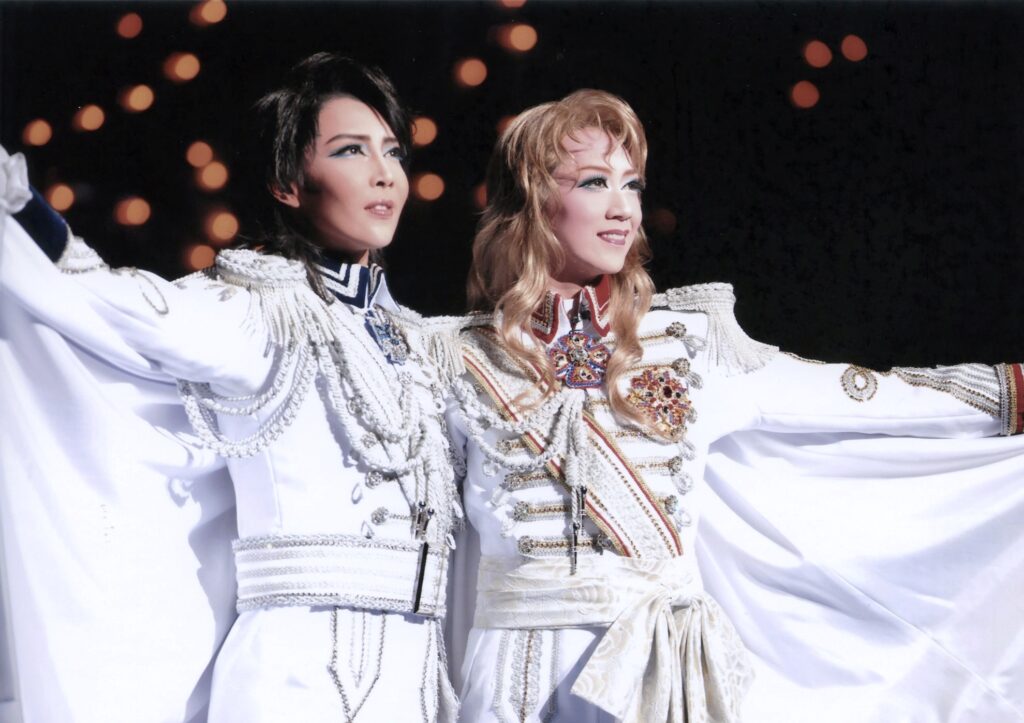
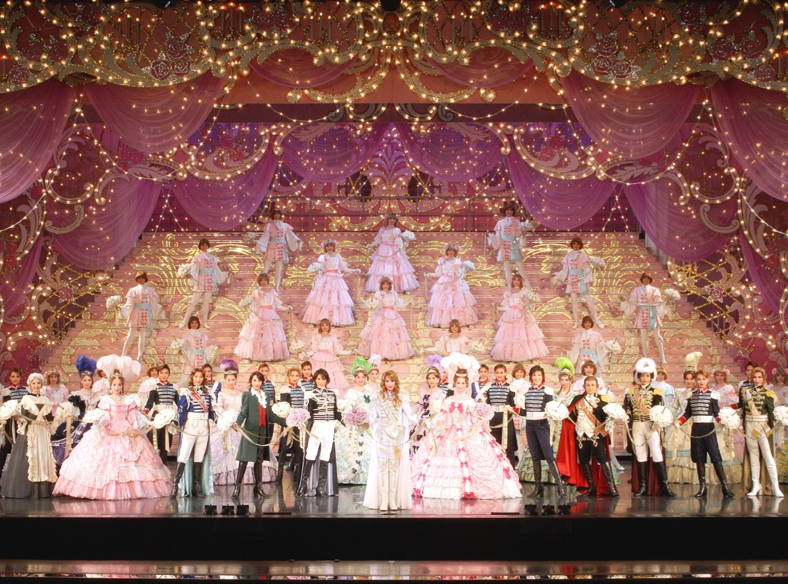
The Takarazuka Revue is not merely theatre—it is a stage where women play women, women play men, and ideals are portrayed. Over more than 100 years, it has evolved but remains true to its guiding principle: “pure, correct, beautiful.”
Behind the dazzling performances are five distinct troupes, rigorous training, precise organisational structure and a belief in harmony over individual ego.
Whether in the Hyōgo Grand Theater or the Tokyo venue, the moment you step inside, you enter the extraordinary. Post-show strolls through Flower Road or a visit to the Tezuka Museum fill the experience with cultural richness.
Here flows the beauty of believing in dreams, working arduously for them—and that, at its heart, is the essence of Japanese culture and the greatest charm of the Takarazuka Revue.
A stage that gently inspires your heart and illuminates your next step—that is the magic of Takarazuka.
The Japanese version of this article is here.↓↓↓