Introduction
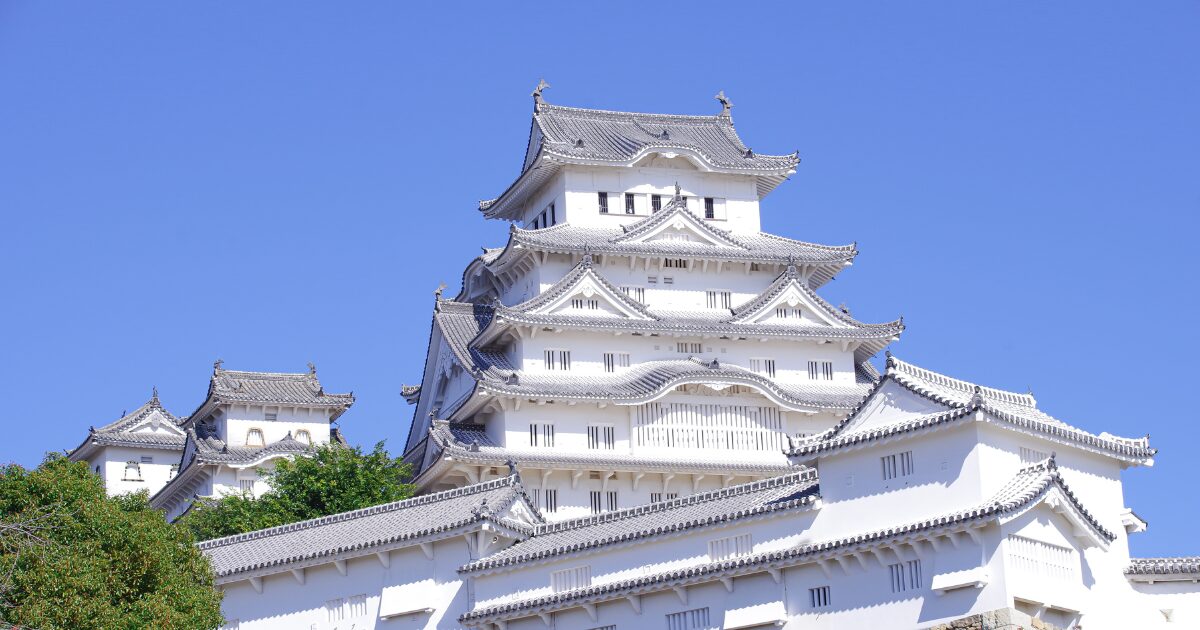
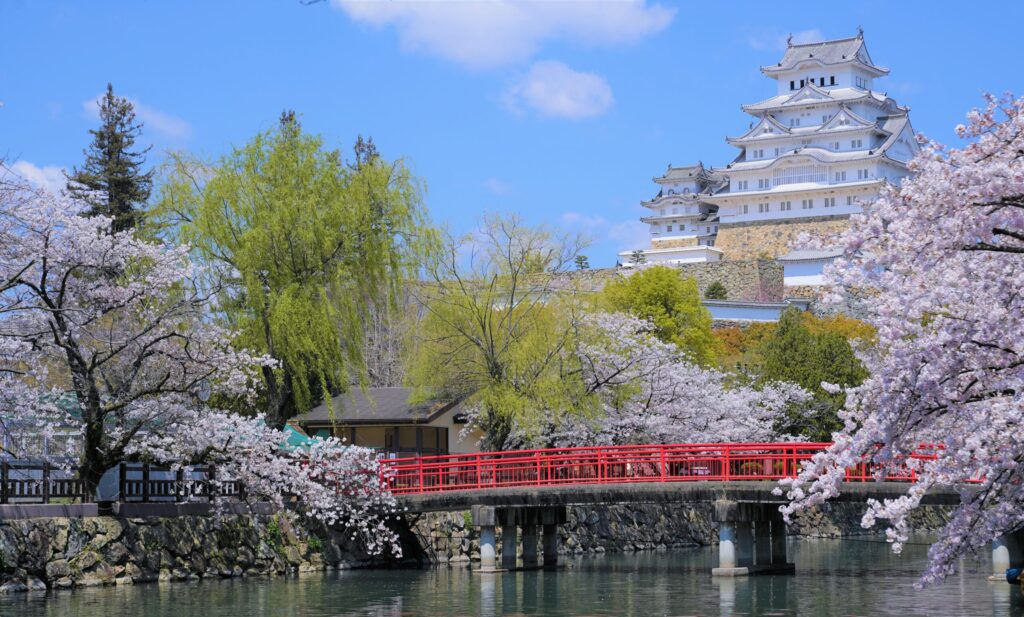
Himeji Castle, a designated National Treasure of Japan, stands proudly in Hyogo Prefecture as the country’s best-preserved feudal fortress and a UNESCO World Heritage Site.
Its white plaster walls shine like the wings of a heron, earning it the nickname “White Heron Castle.”
This guide introduces everything you need to know — from its history and structure to half-day and full-day itineraries.
As of 2025, the following five castles in Japan are officially designated as National Treasures and remain standing in their original form:
- Himeji Castle (Himeji City, Hyōgo Prefecture) — also a UNESCO World Heritage Site
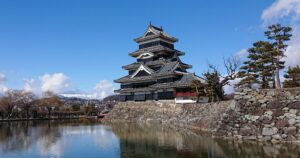
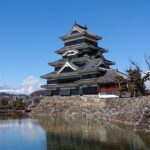
- Matsumoto Castle (Matsumoto City, Nagano Prefecture)
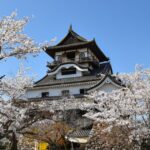
- Inuyama Castle (Inuyama City, Aichi Prefecture)
- Matsue Castle (Matsue City, Shimane Prefecture)
- Hikone Castle (Hikone City, Shiga Prefecture)
The Meaning of “National Treasure”
A National Treasure is a special title given to cultural properties of exceptional value in Japan.
It applies not only to castles, but also to temples, shrines, paintings, and statues of the Buddha.
In the case of castles, specific buildings such as the tenshu (main keep), yagura (turrets), gates, or walls are designated as National Treasures.
In other words, it is not the entire castle complex that is designated, but certain structures that possess outstanding historical and architectural value.
How Are They Chosen?
Only castles that meet the following three conditions are recognized as National Treasures:
- Historical Importance
The castle must have significant connections to major periods or events in Japanese history. - Architectural Excellence
The design, structure, and construction techniques must represent the highest level of craftsmanship of their time. - State of Preservation
Even after restorations, much of the original material and form must remain intact.
What Is a “Genzon Tenshu” (Original Keep)?
A genzon tenshu refers to a castle keep built centuries ago that has survived fires, wars, and natural disasters without being destroyed.
Although Japan once had over a hundred castles, only twelve still have their original keeps today.
All five National Treasure castles are among these twelve.
That means you can still see, with your own eyes, wooden beams, nails, and white plaster walls that were crafted hundreds of years ago.
Why Only Five?
In the Meiji period, the Japanese government issued the Castle Abolition Ordinance (Haijōrei), leading to the demolition of many castles.
Later, wars, fires, and earthquakes destroyed even more.
Amid these losses, only five castles managed to survive almost exactly as they were built.
Through repeated repairs and careful preservation, these five have been protected as true “Treasures of Japan.”
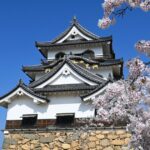
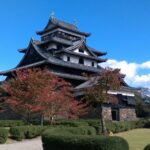
National Treasure castles are not merely tourist attractions.
They are living cultural properties—testimonies to Japan’s history, architecture, and the enduring dedication of the people who preserved them.
Each castle carries its own story, standing as a bridge between the past and the present.
If you ever have the chance, visit them and feel the centuries of history that still live within their walls.
Himeji Castle History & Origins
From Medieval to Early Modern (1333 onward)
The story begins in 1333 when Akamatsu Norimura built a fortification on Himeyama.
Later, around 1580 under Toyotomi Hideyoshi, the site was expanded into a modern castle with a three-tiered keep.
Major Reconstruction by Ikeda Terumasa (1601–1609)
After the Battle of Sekigahara, Tokugawa Ieyasu’s son-in-law Ikeda Terumasa undertook a nine-year rebuilding project.
He created the current multi-keep “renritsu-style” structure and elaborate defensive layout, turning the castle into the centre of Himeji Domain.
Edo to Meiji and into the Modern Era
During the Edo period, the castle passed through hands of the Honda, Sakakibara and Sakai clans.
It escaped demolition under the Meiji “Haijō rei” (Castle Abolition Order), and even though the surrounding area was destroyed in WWII air raids, the main keep survived.
A major restoration took place from 2009-2015, including re-tiling the roof and re-plastering the white exterior.
Key Figures Connected to Himeji Castle
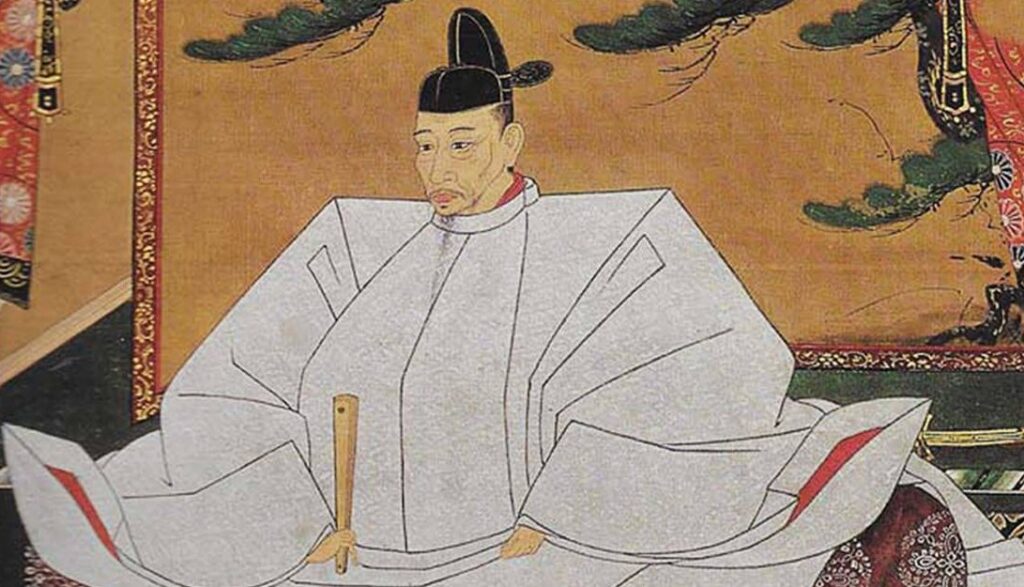
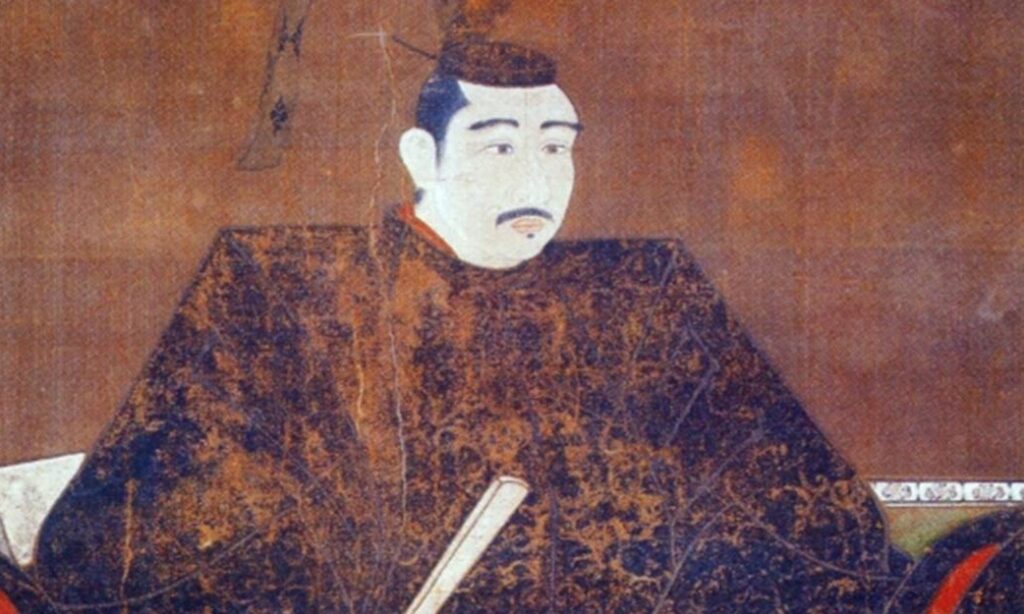
- Ikeda Terumasa: for overseeing the major early-17th century reconstruction.
- Toyotomi Hideyoshi: for the earlier expansion of the castle into a modern fortress.
- Senhime (granddaughter of Tokugawa Ieyasu): associated with the “Keshō-yagura” (Cosmetics Turret) in the West-Ward Palace, which reflects a refined, female-oriented space of the castle.
Architectural Features & Defensive Systems
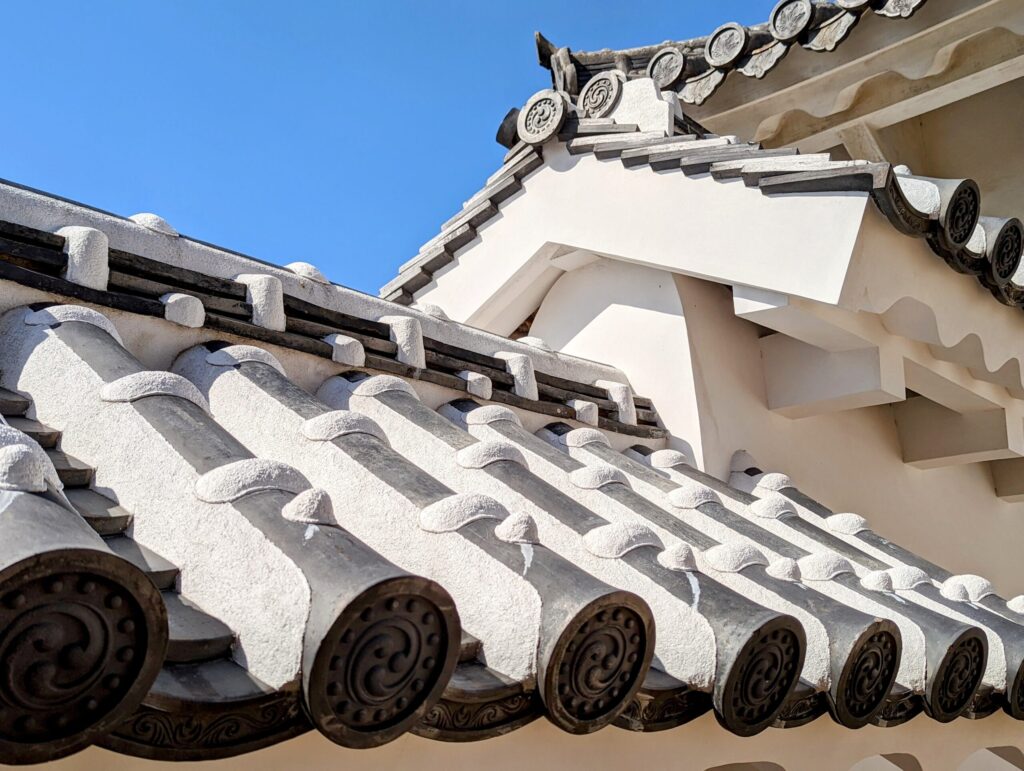
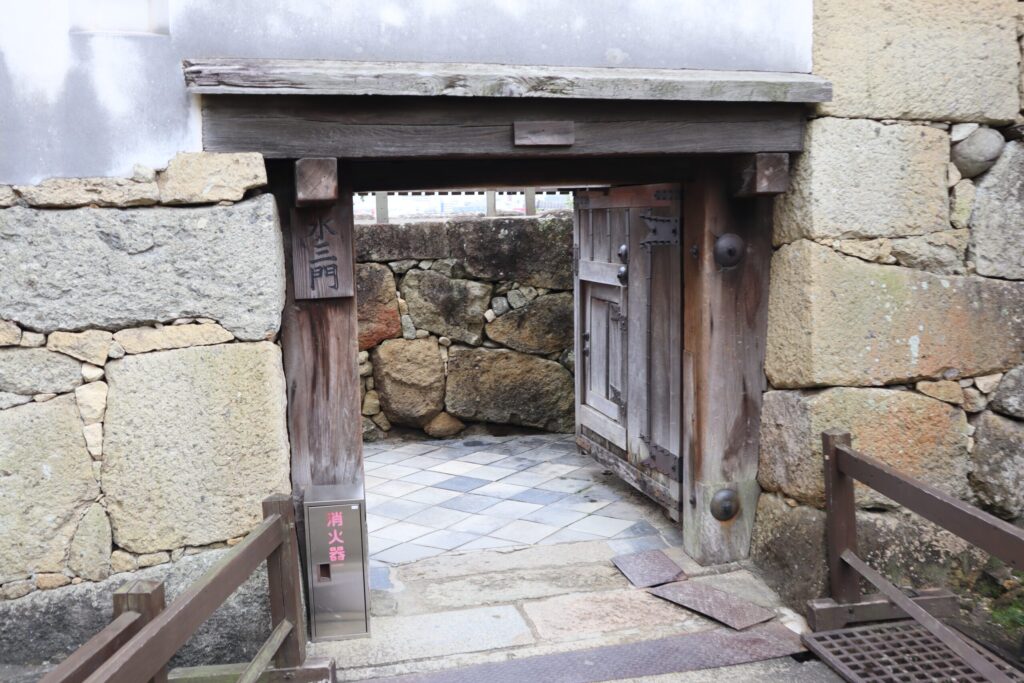
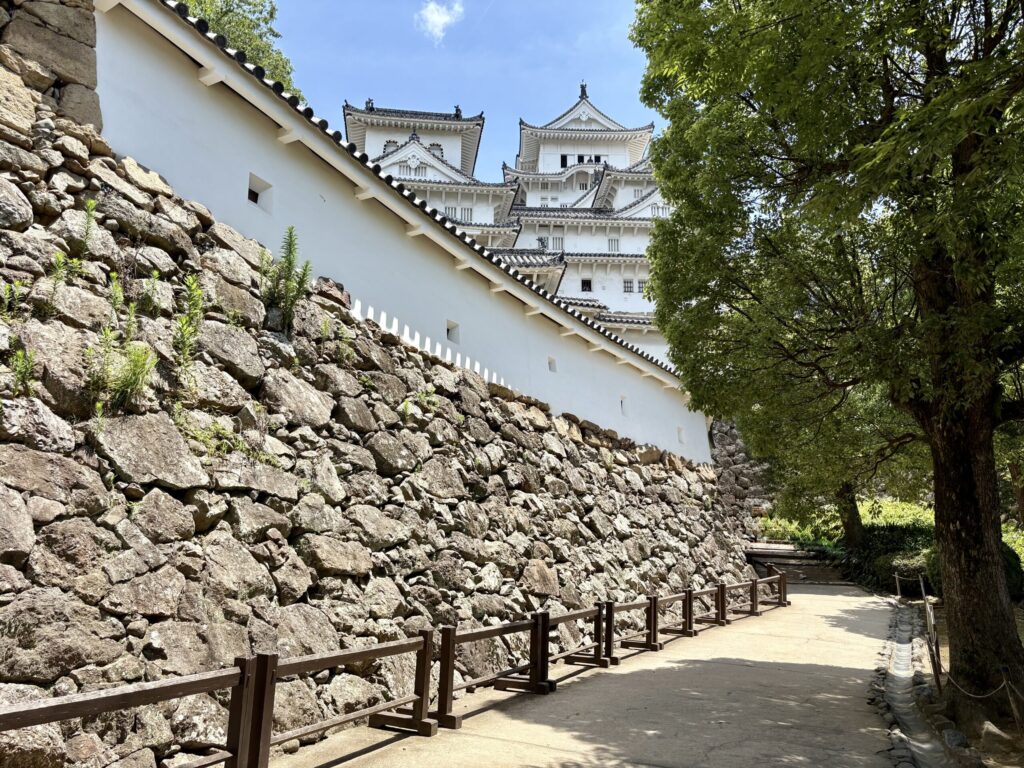
Himeji Castle features a “renritsu-style” compound: the main keep (tenshu) connected via multiple passages to three smaller keeps (shōten / kogane-yagura).
This design minimises blind spots and enables defence from multiple angles. The castle also includes:
- A maze-like ascending path designed to stall attackers.
- Arrow slit windows (“sama”) of triangular, circular and rectangular shapes.
- “Ishi-otoshi” (stone-dropping platforms) above doorways for defense.
The white plaster (shikkui) coating is not just elegant: it also provides fire-, decay- and water-resistance, and gives the surface its pure white appearance.
Highlights & Must-see Spots
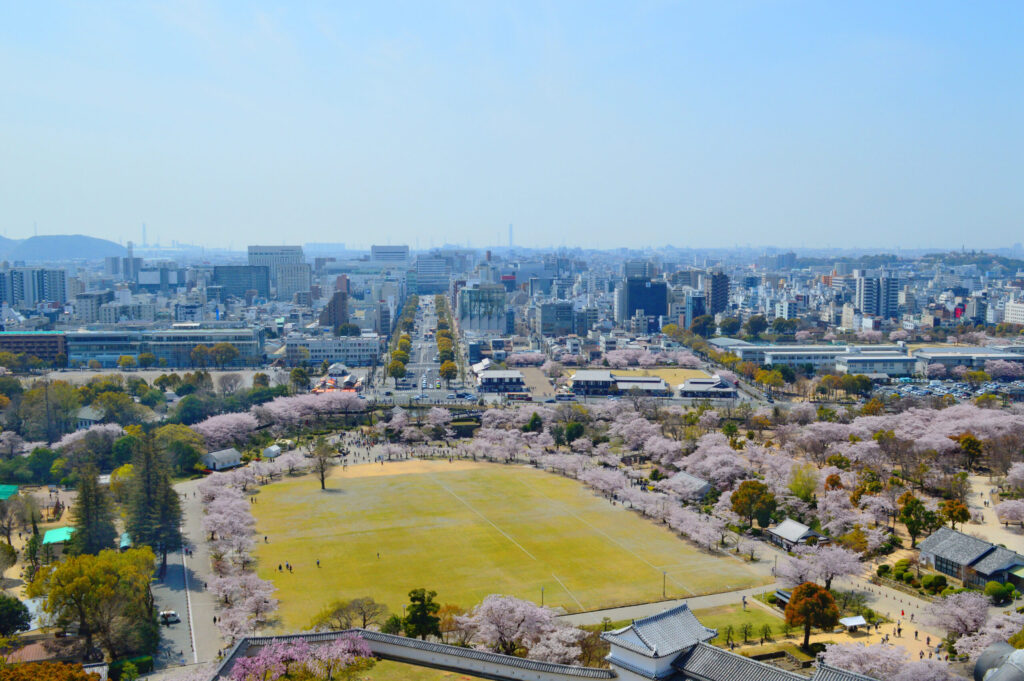
- Sanomaru Plaza: Ideal vantage for full-castle photography.
- West Ward Corridor: Wooden walkways evoke daily life in the castle’s living spaces.
- Top Floor of the Keep (6th Floor): From the top floor of the main keep, visitors can enjoy a breathtaking panoramic view of Himeji City, the castle town below, and even the distant Seto Inland Sea.
- Keshō-Yagura (Cosmetics Turret): A charming section traditionally associated with Senhime; elegant interior details.
- Kōkoen Garden (just west of the castle): A modern traditional Japanese garden perfect during cherry-blossom or autumn-leaf seasons.
Himeji Castle Seasonal Appeal
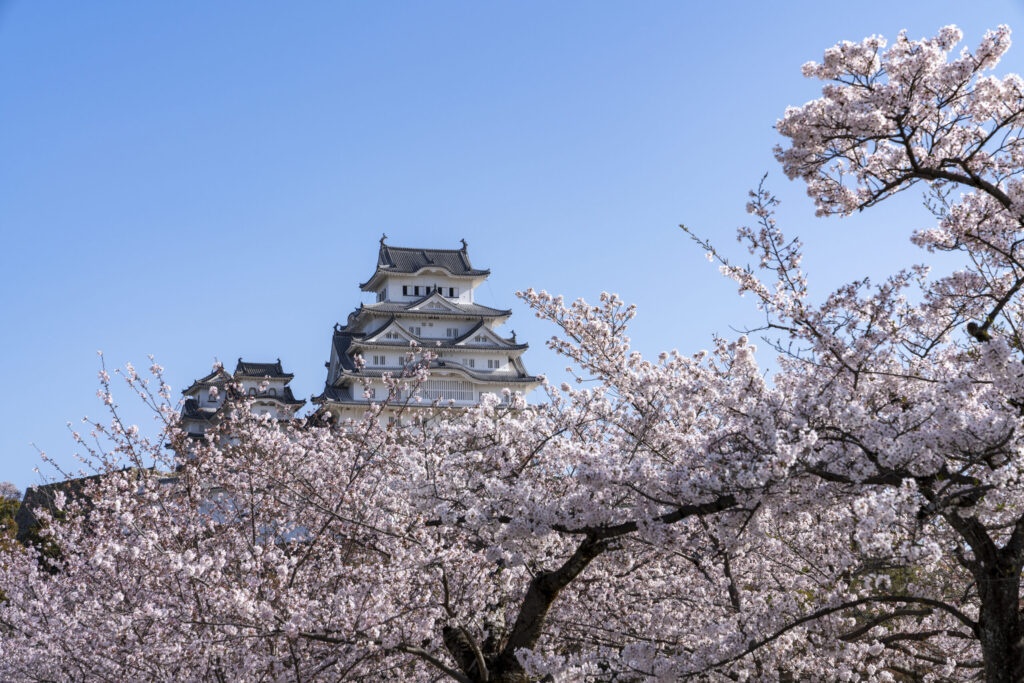

- Spring (March-April): Approx. 1,000 cherry trees bloom around the Sanomaru Plaza. Night lighting creates a magical effect.
- Summer (June-August): The vivid contrast of new green foliage against the white walls gives a fresh, vibrant feel; listen to insects at dusk.
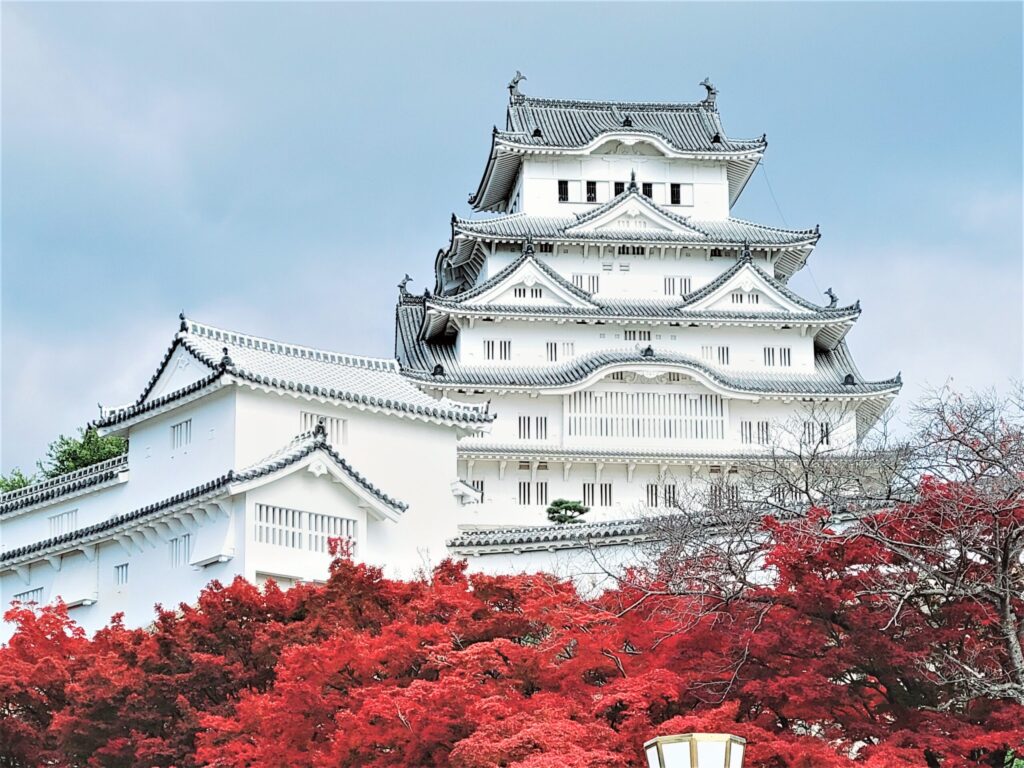
- Autumn (October-November): Kōkoen’s maple leaves turn red; prime time for photo-enthusiasts.
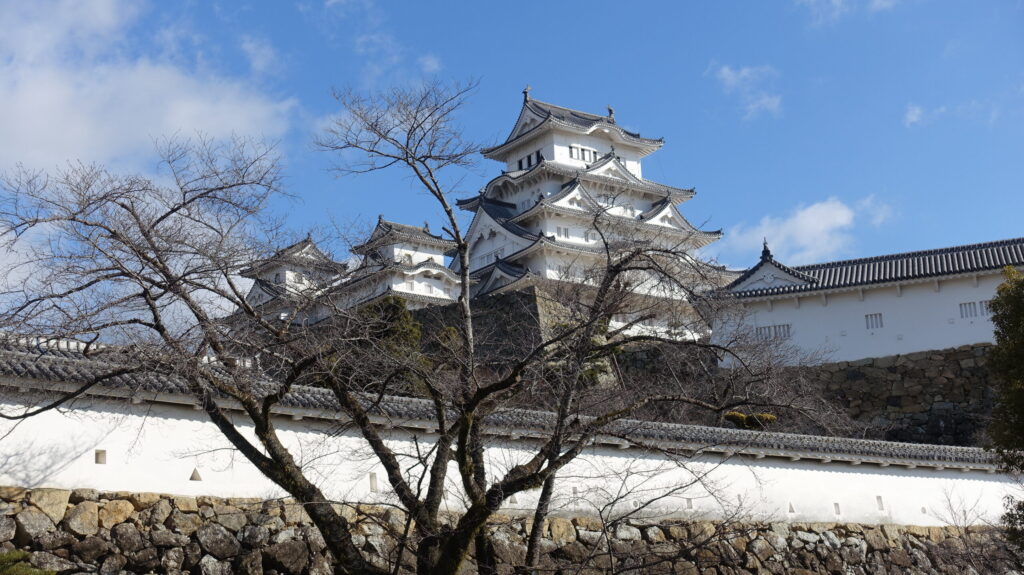
- Winter (December-February): Quiet, serene ambiance with the white keep framed against bare trees and potentially snow—hauntingly beautiful.
Model Itineraries
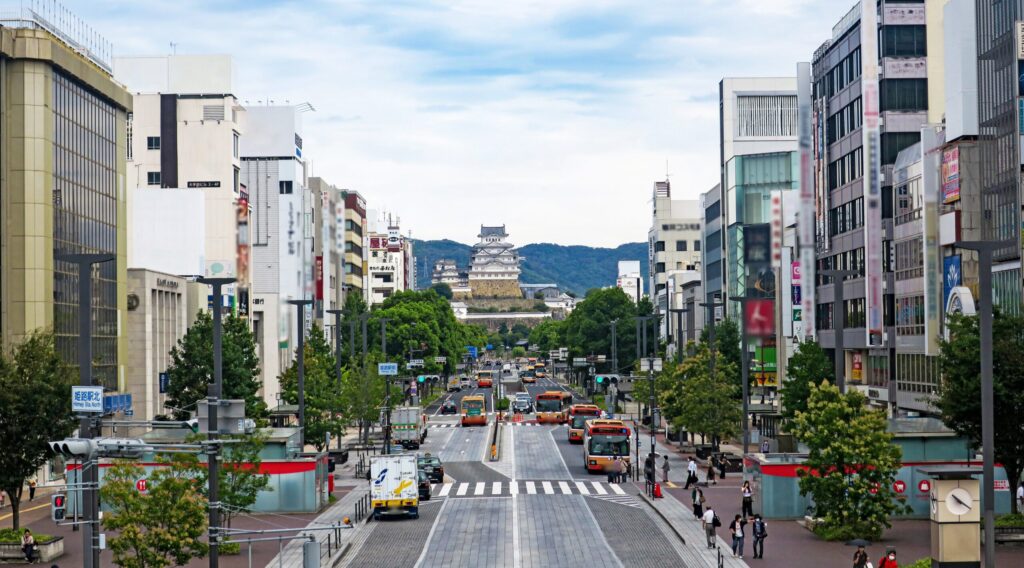
Half-Day Course (≈ 3 hours)
- 09:00 Arrive at JR Himeji Station → walk or take the loop-bus to Himeji Castle.
- 09:20 Photo stop at Sanomaru Plaza.
- 09:40–11:00 Explore the main keep & West Ward.
- 11:10 Stroll Kōkoen Garden.
- 12:00 Lunch around the station (local specialties: anago-don [conger-eel bowl], Himeji-style oden).
Full-Day Course (≈ 6–7 hours)
- 09:00 Depart JR Himeji Station on foot toward the castle.
- 09:30–12:00 Tour the keep, West Ward, Keshō-Yagura.
- 12:00–13:00 Lunch (e.g., at the Nada-Kiku Sake Brewery restaurant or nearby Japanese dining).
- 13:10–14:30 Visit Kōkoen & Castle-View Terrace.
- 14:45–16:00 Visit the Himeji City Museum of Art or Hyōgo Prefectural History Museum.
- 16:30 Relax at a café in Ōtemae Park.
- 17:30 Photograph the castle at dusk, then return to station.
Access Information
- Address: 68 Hon-machi, Himeji City, Hyōgo Prefecture.
- Nearest Station: JR Himeji Station (Shinkansen & Sanyō Main Line).
- Walk: Approx. 15 minutes north along Ōtemae-dōri.
- Bus: “Himeji Castle Ōtemon Mae” stop on the Himeji Loop Bus.
- Parking: Ōtemon Parking Area, Himeyama Parking Area (regular car approx. ¥600)
Official Website of Himeji Castle
Tourist Reviews
“The stairs are steep, but the view from the top is absolutely breathtaking!”
“The cherry blossom illumination is something you must see at least once in your life.”
“It’s within walking distance from the station, so access is very convenient.”
“The exhibits are well-organized, and even without much historical knowledge, I could still enjoy it.”
“The combined ticket with Kōkoen Garden is convenient and great value for money.”
Summary
Himeji Castle is the ultimate embodiment of Japanese wooden-architecture craftsmanship and aesthetic. Beneath its brilliant white keep lies the accumulation of war-time wisdom, Tokugawa-era peace, and over a millennium of refined Japanese sensibility. Whether you visit in cherry-blossom season, autumn fire-leaves or winter stillness, the castle invites you to experience history in motion.
The Japanese version of this article is here.↓↓↓