If you’re visiting Tokyo and looking for art you can explore on foot, teamLab Borderless is a strong option.
This is a museum where you don’t receive a suggested route or a floor map. From entrance to exit, the main experience is choosing your own way through the space.
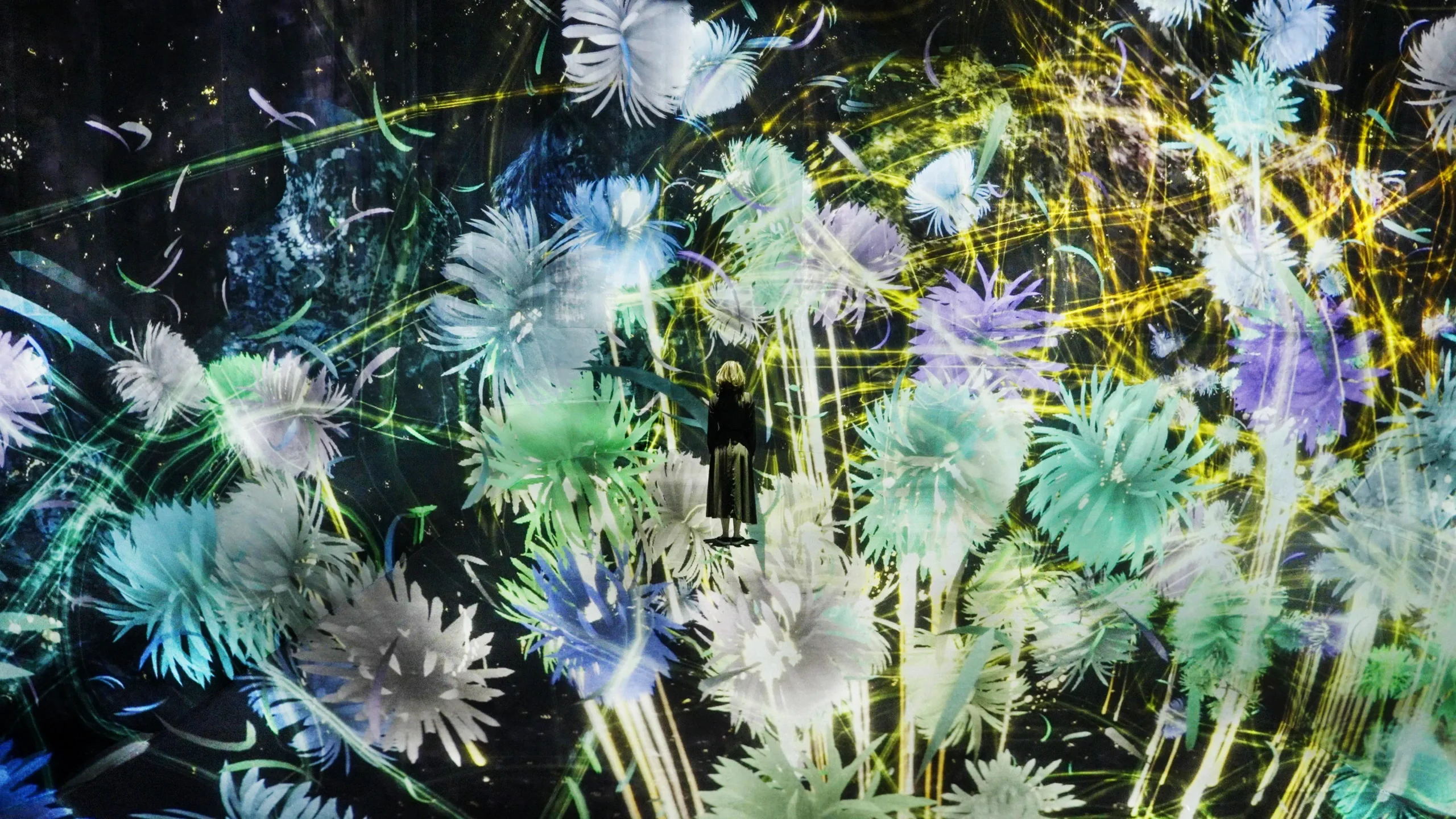
The artworks aren’t confined to one room—many are designed to move into other areas, interact with other pieces, and blend into the surrounding environment. That’s why a big part of the visit is simply searching for “what’s around the next corner.”
In this article, I’ll summarize the concept, key visitor information, how to experience it on the day, common feedback (both positive and critical), and the most practical approach to buying tickets.
What is teamLab Planets TOKYO?
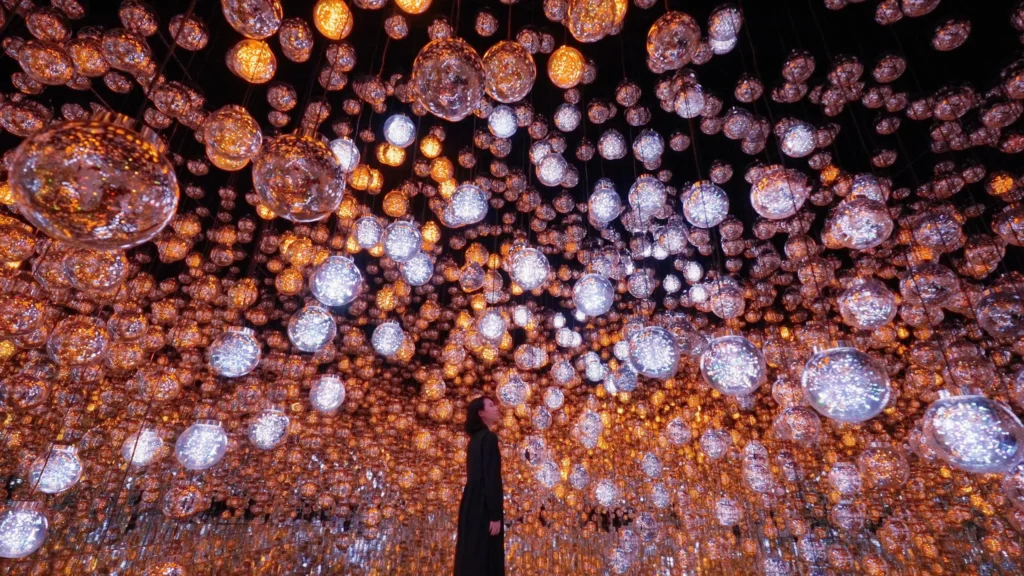
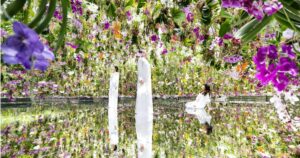
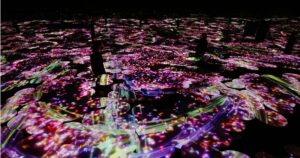
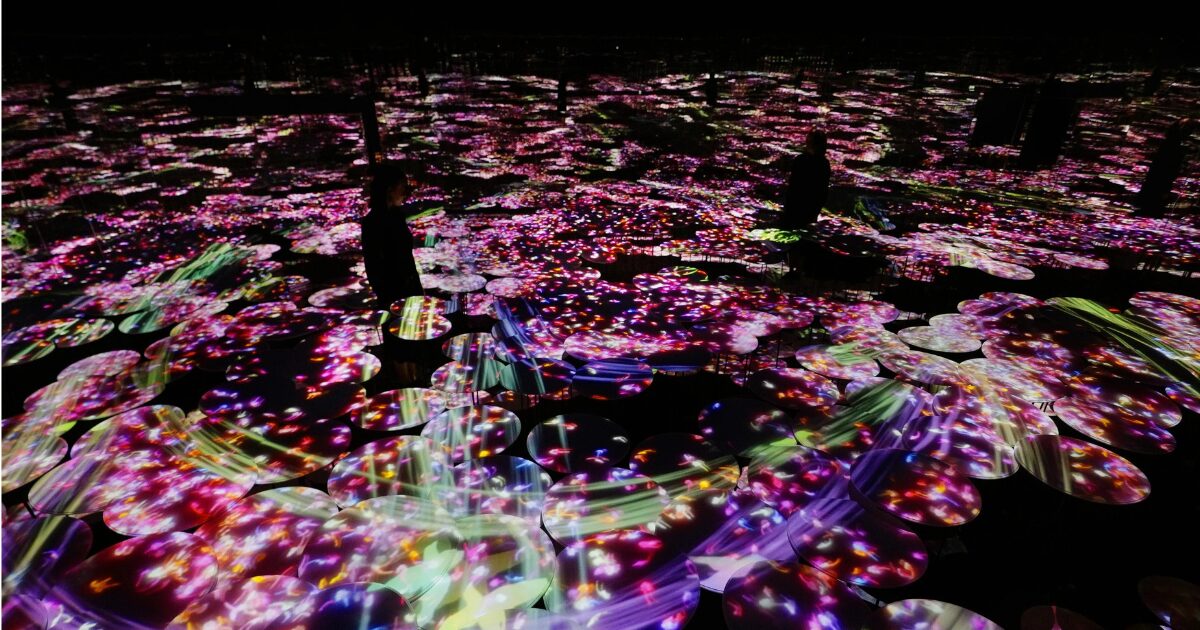
teamLab Borderless is a digital art museum made up of “borderless” works created by teamLab.
Officially, it’s described as a “museum without a map,” and the venue does not distribute a museum map to visitors.
The artworks are designed to leave their rooms, connect with other works, influence each other, and sometimes merge together.
As a result, instead of “checking a room number and going straight to a destination,” visitors naturally end up moving in patterns like “wander, discover, go back, and head in a different direction.”
It opened at Azabudai Hills as a permanent exhibition on February 9, 2024.
There are no artwork captions inside the museum; instead, the official app is designed to let you read the concept of works you’re near.
Basic information
・Name: teamLab Borderless: MORI Building DIGITAL ART MUSEUM
・Location: Azabudai Hills, Garden Plaza B, B1
・Address: 1-2-4 Azabudai, Minato-ku, Tokyo
・Access: 2 min walk from Kamiyacho Station (Tokyo Metro Hibiya Line), Exit 5 / 6 min walk from Roppongi-itchome Station (Tokyo Metro Namboku Line), Exit 4
・Opening: February 9, 2024 (permanent; official announcement)
・Hours: 8:30–21:00 (shortened/extended hours on some days)
・Last entry: 1 hour before closing
・Closed days: irregular (dates announced on the official site)
・Tickets: timed-entry tickets (can sell out)
・Same-day tickets: purchasable via the official website if available / on-site purchase may be possible, but the price can differ
・Price guide: Adults from ¥3,600 / Ages 13–17 ¥2,800 / Ages 4–12 ¥1,500 / Ages 3 and under free (adult price varies by date/time; on-site purchase may cost an additional ¥200)
・Re-entry: not allowed
・Photography: photos and videos allowed; flash, tripods, and selfie sticks longer than 30 cm are prohibited
What to expect on the day
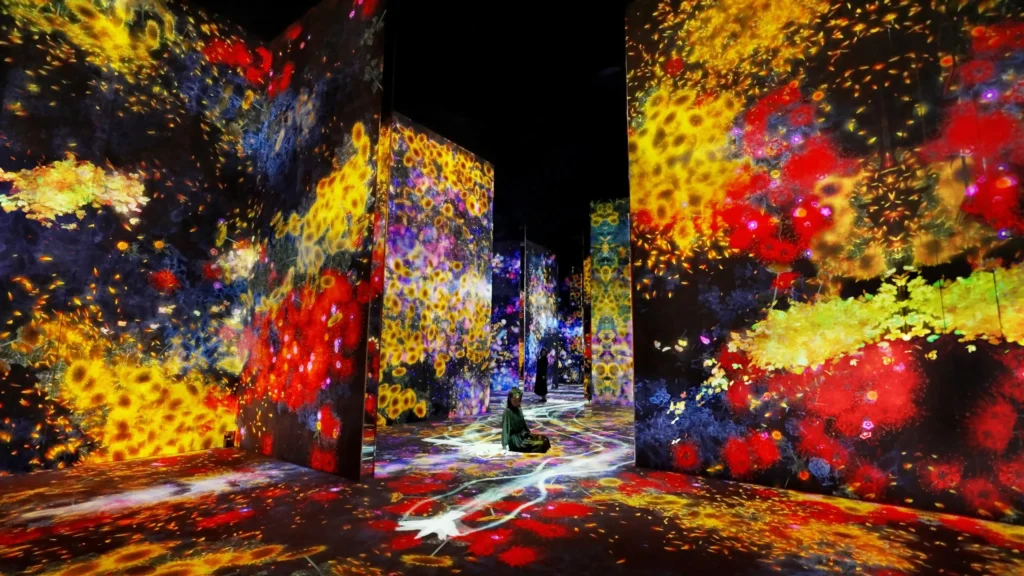
A key point of Borderless is that you can start walking without deciding “where to go first.”
Since there’s no map, every time you turn a corner you’re essentially choosing the next space based on light, sound, or the flow of people.
Many visitors say things like “there’s no map, so you just keep going” or “I couldn’t tell where anything was,” and getting lost is often described as part of the experience.
On the other hand, some people mention realizing after they leave that they missed certain areas—so the more you want to “see everything,” the more important time planning becomes.
As a simple strategy, it often works well to treat the first hour as exploration, then spend the next hour returning to the areas you liked most.
You’ll also see comments like “you need at least two hours.” Rather than trying to squeeze it into a short window, it’s better to slow down and enjoy the process of exploring.
Common impressions from reviews
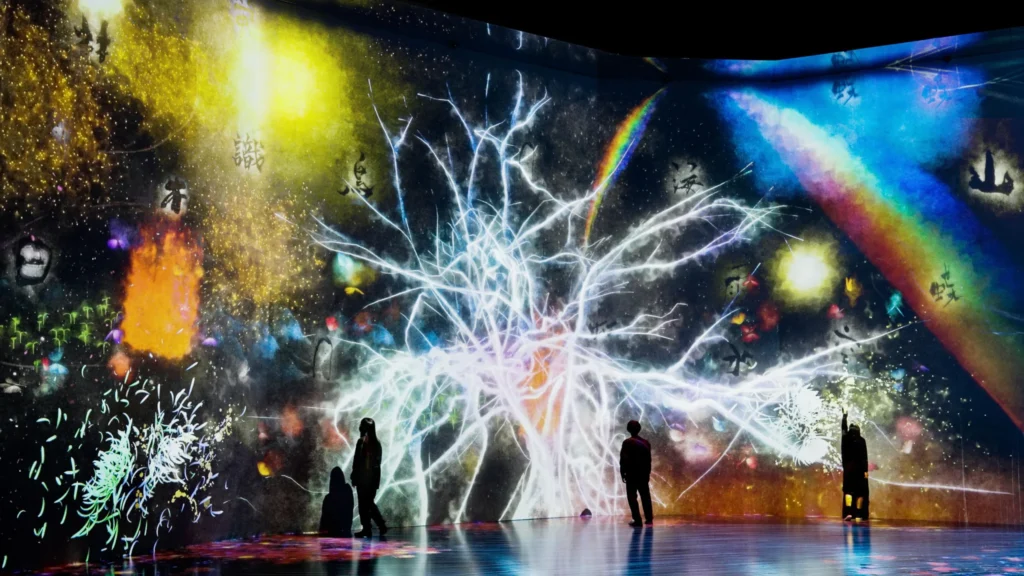
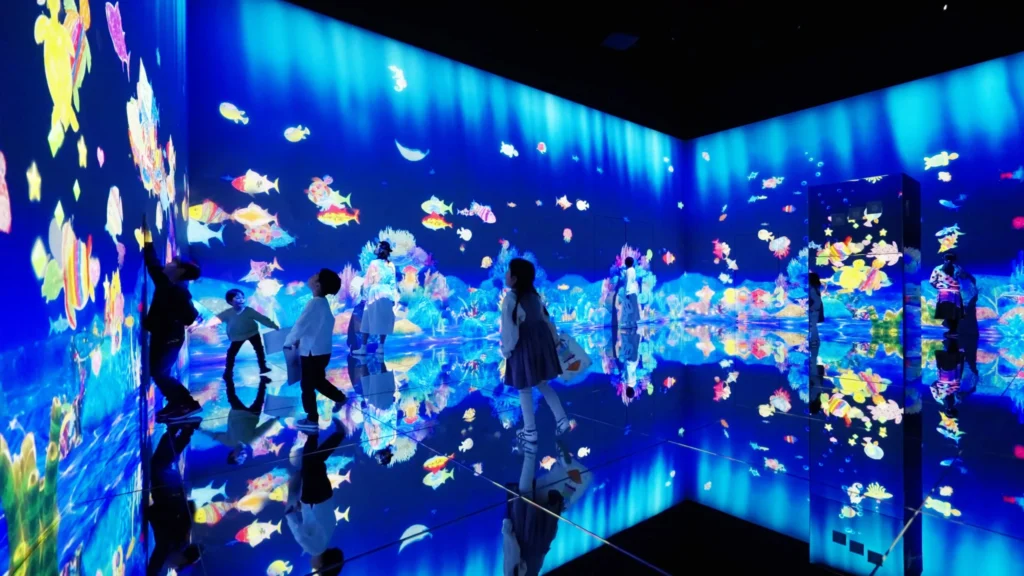
A common positive theme is “even without a map, the fun outweighs the anxiety.”
Comments such as “I liked being able to wander at my own pace” directly praise the Borderless concept.
You also see feedback like “I enjoyed it even though it was my first digital art experience” and “it’s interesting how the next artwork connects as you keep walking.”
Other recurring points include: “there’s no fixed route or explanation,” “you can read about works in the app,” and “the same room changes over time”—with discovery being the core appeal.
That said, some visitors feel it simply isn’t for them.
You’ll find opinions like “it wasn’t what I expected” or “I didn’t understand why it’s so popular,” and reactions can be more mixed among people who prefer traditional painting, architecture, or quieter gallery settings.
In other words, satisfaction seems to depend less on “what you see” and more on whether you enjoy walking, searching, and gradually discovering.
What to wear and what to bring
You generally explore Borderless with your shoes on. However, visitors are warned that some areas are dark, the floor can feel unstable, and certain spots have low ceilings.
For that reason, sneakers are usually a safer choice than heels.
Some works use mirror-like surfaces on the floor, and skirts can feel uncomfortable in those spaces.
There may be wrap skirts available to borrow for skirt-wearers, but choosing your outfit with this in mind in advance will save you extra steps.
As for belongings, the top priority is keeping your hands free.
Photography is allowed, and people often stop in place—especially when it’s crowded—so a shoulder bag and a strap to prevent drops can be genuinely useful.
If you want to read about the works, installing the official app before you go is the easiest way to solve the “no captions” issue.
Tickets: “Buy in advance if you can”
Borderless is very popular, and tickets for your preferred date can sell out.
If there’s availability on the day, you can buy tickets through the official ticket site.
On-site purchase may be possible, but it often sells out, and the price may be different—so if you want to guarantee entry, it’s safer to buy in advance on the official website.
Tickets purchased directly through the official site can be rescheduled up to three times, as long as you make the change at least two hours before your entry time. That makes it easier to adjust if your schedule is uncertain or you suddenly feel unwell on the day.
Conclusion
teamLab Borderless is a museum built around the idea of not being handed a map—where artworks move, spaces connect, and exploration is part of the design.
To increase your chances of a great visit, secure tickets in advance, plan for at least two hours, and wear comfortable shoes.
Because it’s common to feel both “I got lost but had fun” and “I realized later I missed something,” it helps to plan your visit in two phases: explore first, then circle back to what you want to see again.
Enjoy!
The Japanese version of this article is here.↓↓↓