- Introduction
- The Boyhood Nurtured by the Winds of Iwate
- “Blueprint Baseball” Born at Hanamaki Higashi High School
- What His Mentors and Family Say — “Honesty Is Stronger Than Talent”
- The Unchanging Beauty of His Attitude
- Gratitude Across the Major Leagues
- The Quiet Pride of His Hometown
- Walking the Land of Oshu and Hanamaki
- A Chain of Kindness
- Conclusion — The Strength to Design Effort
Introduction
Records alone don’t move people; it is the person behind them.
The name Shohei Ohtani is now known around the world, but his essence lies in the “careful way of life” behind the numbers.
Raised in the gentle winds of Oshu City in Iwate Prefecture, he learned “respect” and “effort” at Hanamaki Higashi High School, and became a young man who realized the blueprint of his own goals.
Win and he remains humble; lose and he stays steadfast; never forgetting gratitude toward anyone — this attitude draws people across the world beyond sport.
This article traces his path from childhood to the present, through stories of his family, mentors, and the quiet pride that still lives in his hometowns of Oshu and Hanamaki.
It is a journey into the origins of the man Shohei Ohtani, through the landscapes and warmth of the land that raised him.
The Boyhood Nurtured by the Winds of Iwate
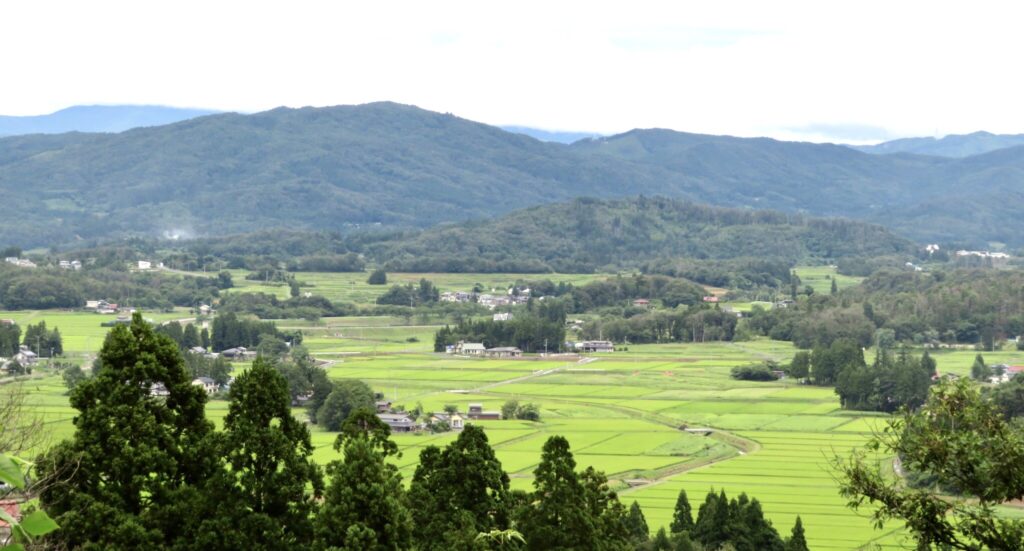
Shohei Ohtani was born in 1994 in Mizusawa, Oshu City, Iwate Prefecture.
His father, Tetsuhito, was a former baseball player, and his mother, Kayoko, played corporate-team badminton. Although he grew up in a “sports family,” the household valued courtesy more than competition.
At the dinner table, topics were not about victories but about greetings, caring for equipment, and daily preparation.
In the notebook he shared with his father were words such as “gratitude,” “attitude,” and “daily rhythm.” Before chasing wins and losses, he learned to refine his daily habits — and through that, discovered that “effort can be designed.”
He joined the local team “Mizusawa Little” as a child. Coaches recall that he was always the first to arrive and the last to leave, cleaning up after practice and bowing to his equipment before going home. Even as a boy, he wished not only to be strong but to live with care.
“Blueprint Baseball” Born at Hanamaki Higashi High School
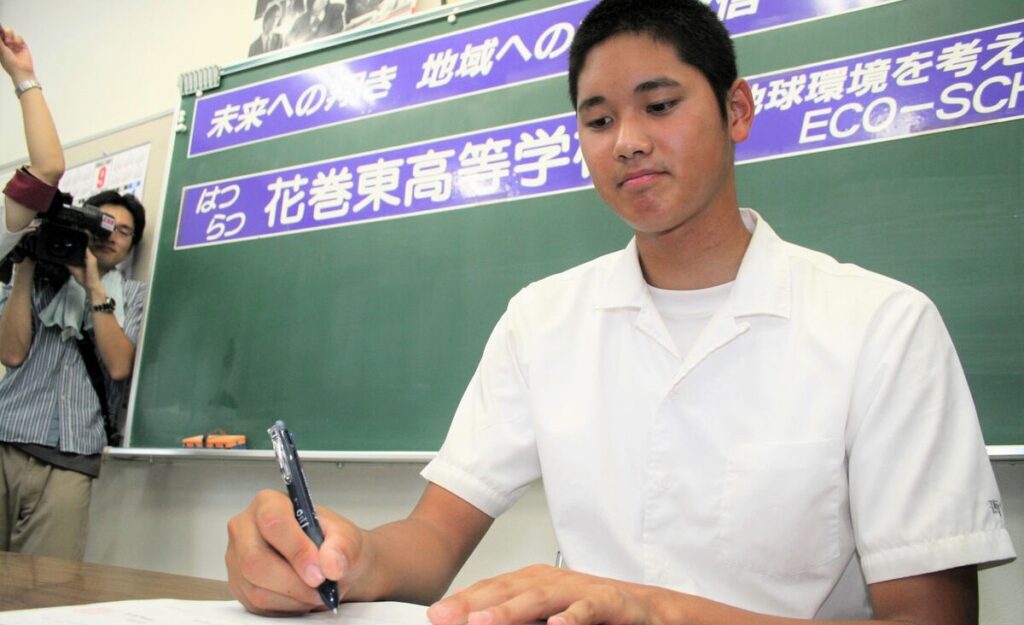
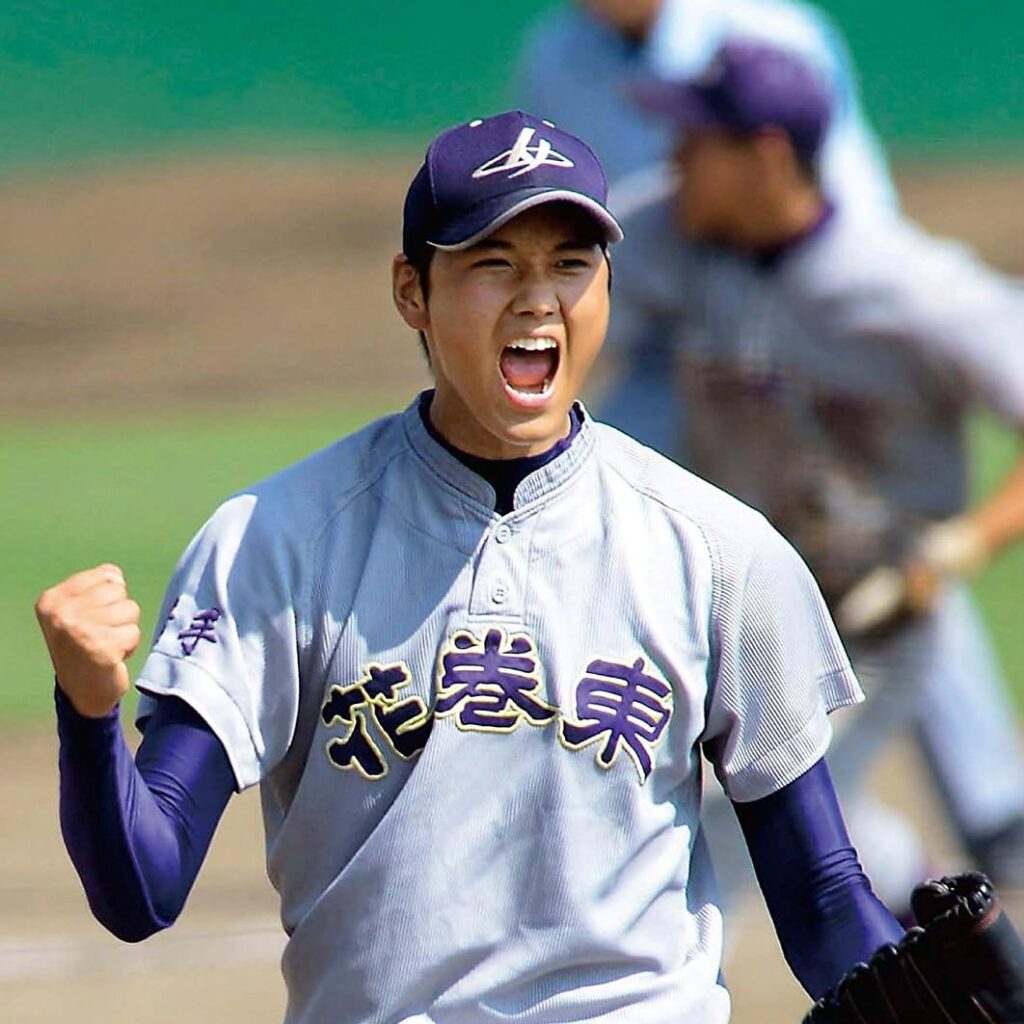
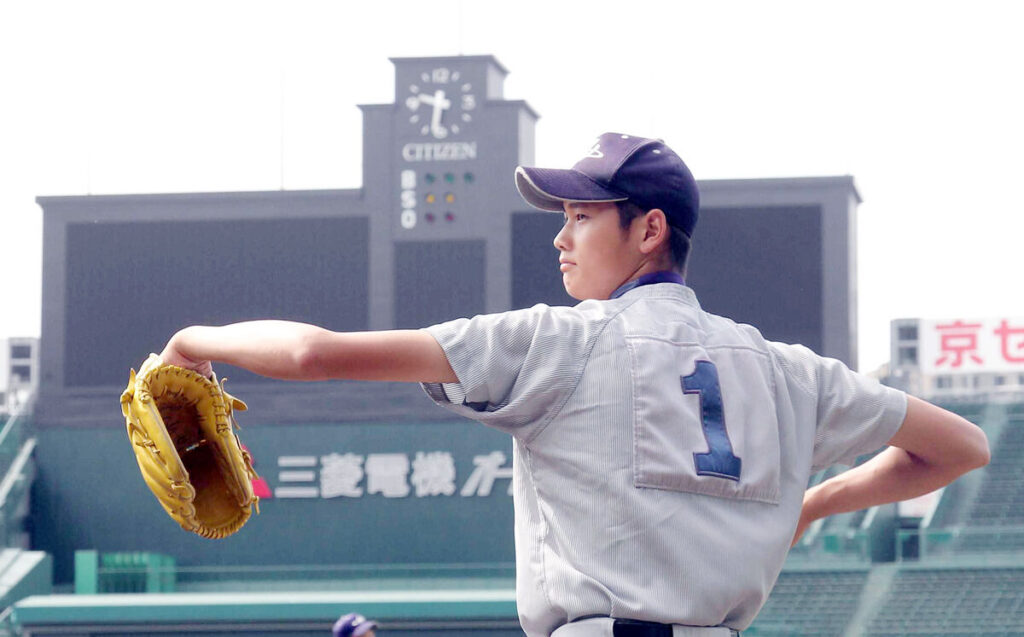
At Hanamaki Higashi High School, under coach Hiroshi Sasaki’s philosophy that “baseball is a tool to build people,” everything was structured — from dorm life and cleaning duties to greetings and time management.
Even pitchers cleaned toilets, guided by the motto “The stronger person polishes the ground.”
Here, Ohtani created a goal mandala chart, placing “No. 1 draft pick” at the center, surrounded by items such as “body building,” “160 km/h fastball,” “gratitude,” and “daily rhythm.” He visualized his dreams and transformed them into daily actions — a cycle of visualization, execution, and adjustment that became the core of his thinking.
Coach Sasaki later said, “He was incredibly fast at turning ‘I want to be like this’ into ‘What I will do today.’”
This ability to visualize became the root of his later success as a two-way player in the Major Leagues — a rare combination of planning, execution, and sincerity.
What His Mentors and Family Say — “Honesty Is Stronger Than Talent”
Coach’s Perspective
Coach Sasaki often said that Ohtani’s greatest gift was his ability to “accept things honestly.”
While many players questioned their training, Ohtani simply said, “I’ll try.” He focused not only on technique but also on polishing his daily life — cleaning, punctuality, and posture.
When asked about the difference between people who succeed and those who don’t, Ohtani once answered, “People who forget gratitude quickly become weak.” The room fell silent.
Rather than blaming others, he believed in accepting the situation and moving on. To him, that was true mental strength — and a form of respect.
Teammates’ Memories
Former teammates remember him as “the senior who was always smiling.” Even when exhausted from training, he was cheerful and often found joy in cleaning. In his dorm room, a small handwritten sign remains: “Clear your heart before you go to the field.” It was not for others, but a quiet reminder to himself.
His Father’s Teachings
His father often said, “If you decide to do it, finish it.” But “finish” didn’t mean “until you get results” — it meant “until you’re satisfied.”
The father-son notebook habit they shared in his childhood shaped Ohtani’s approach to self-reflection: “When you write it down, you can see yourself objectively.” That habit evolved into the mandala chart that continues to guide him today.
The Unchanging Beauty of His Attitude
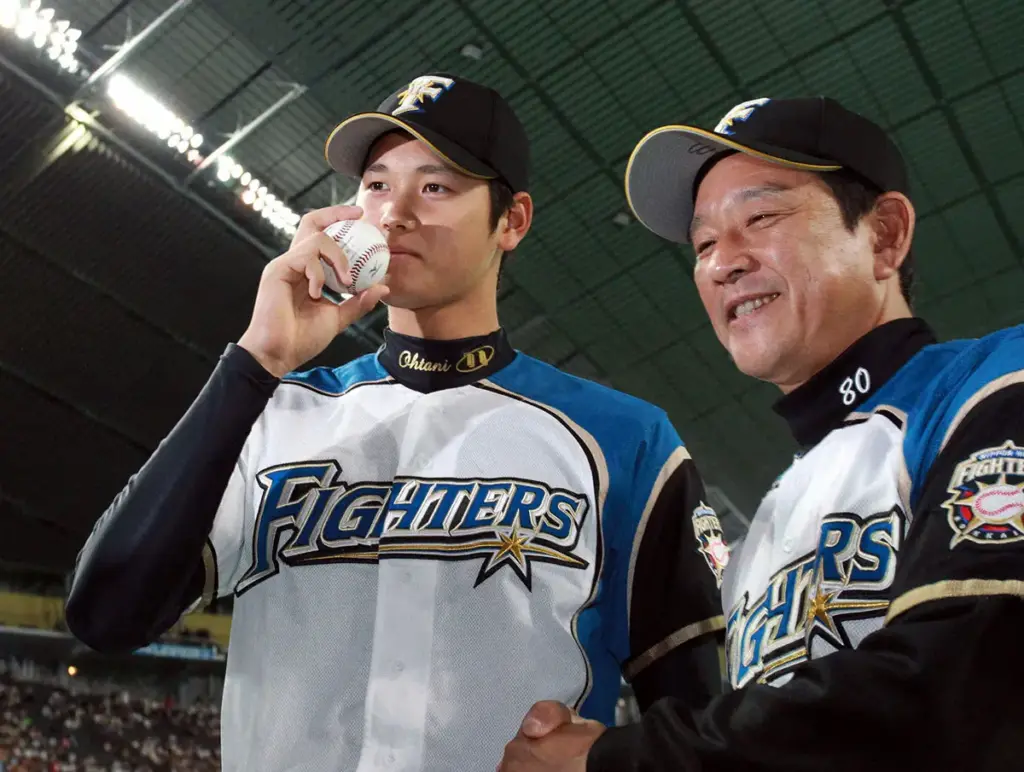
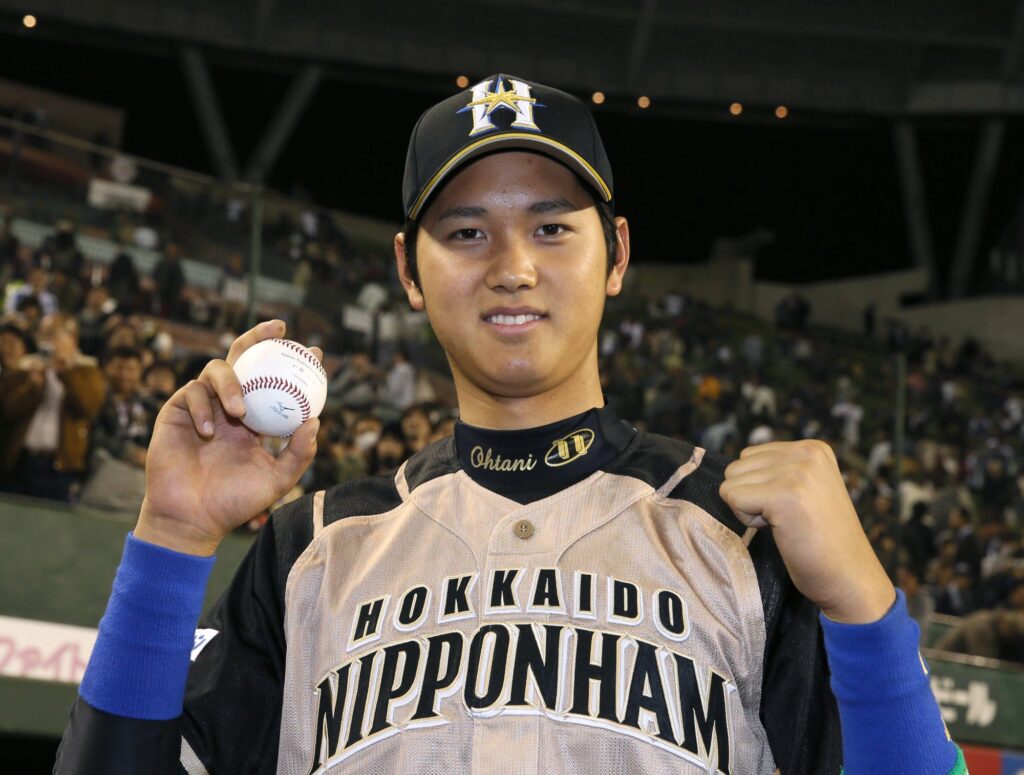
In 2013, Ohtani joined the Hokkaido Nippon-Ham Fighters.
His dream of being a “two-way player” — both pitcher and hitter — was initially met with skepticism. Many advised him to focus on one role.
But Ohtani calmly responded, “You don’t have to choose one. I just choose both.” That simple statement summed up his conviction.
Even when things went wrong, he never displayed anger. After games, he always cleaned his equipment and bowed on the mound. “Win without arrogance, lose without frustration” — the principle he learned in high school remained unchanged.
Team staff recall that he always kept his room tidy, even on road trips. “I take care of the place I use,” he said.
This habit of cleanliness keeps his mind steady and ready for the next challenge. His foundation lies not just in technique or strength, but in the purity of his heart.
Gratitude Across the Major Leagues
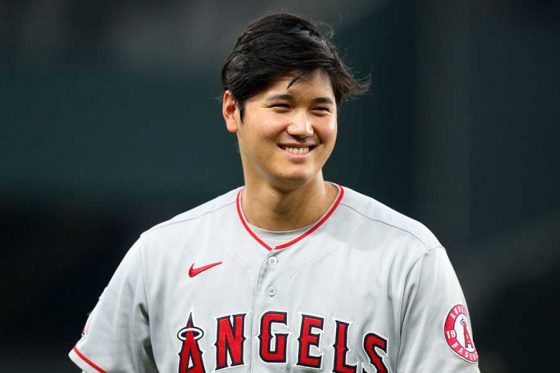

In the United States, first with the Los Angeles Angels and now the Dodgers, his politeness and dedication have not changed.
When his longtime interpreter was dismissed in 2023, he did not criticize anyone; he simply said, “I will not forget gratitude.”
After every home run, he picks up his bat, bows to the catcher, and celebrates teammates’ achievements as if they were his own. American fans describe these gestures as “the beauty of Japanese spirit.”
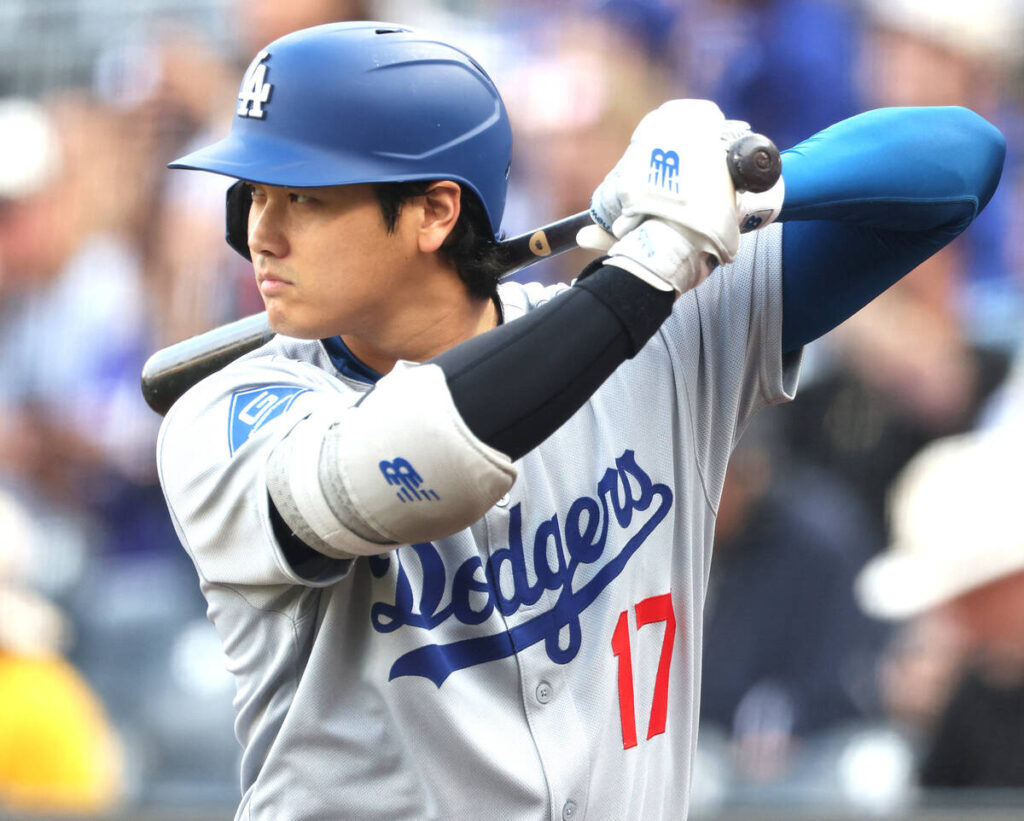
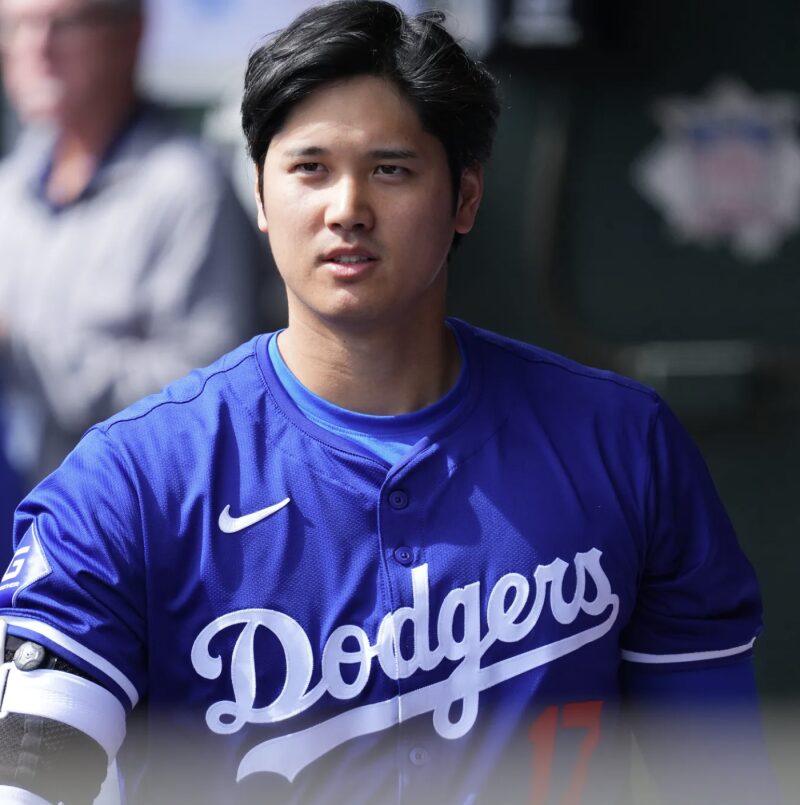
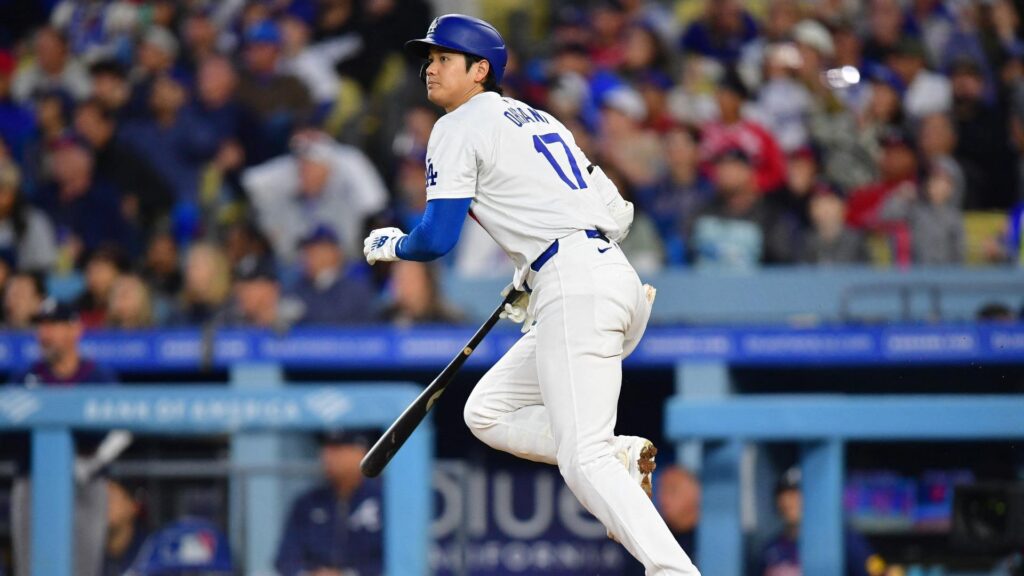
MLB staff note that his locker area is always spotless.
“A top-class player keeps his space top-class,” one said.
In interviews, he always credits others: “My teammates helped me,” “The catcher was great.”
Journalists describe him as “a gentleman who happens to be extraordinary.”
This calmness and sincerity are what earn him respect across borders.
The Quiet Pride of His Hometown
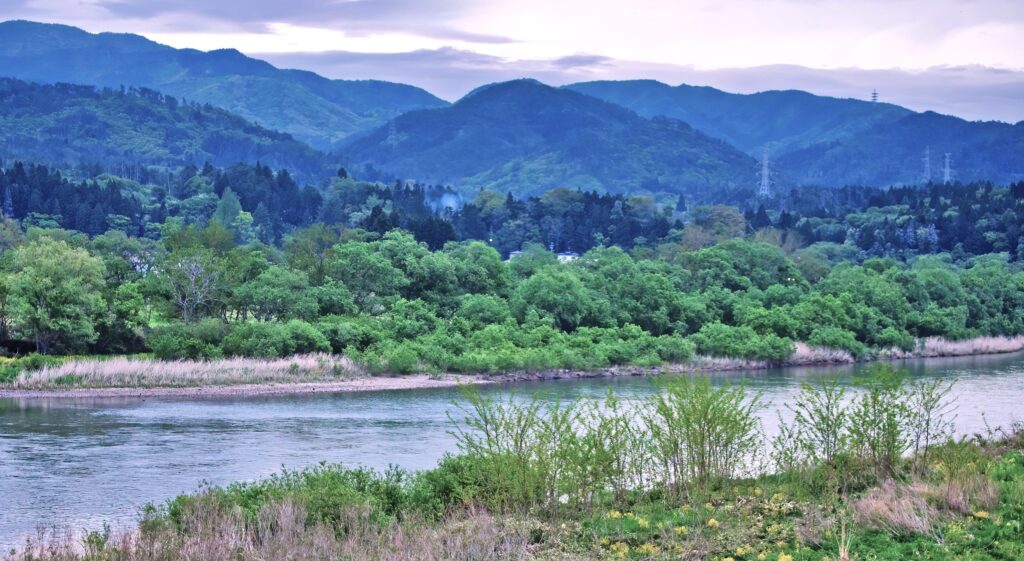
Today, Oshu City in Iwate Prefecture has become a modest “pilgrimage site” for baseball fans.
A bronze “handshake monument” of his right hand stands at city hall, and children wearing his No. 17 jersey gather to take photos in spring.
There are no flashy parades or oversized statues — only a quiet pride shared by everyone.
At the Oshu City Culture Hall, his high-school uniforms and photos are displayed, and on game days, locals gather for public viewings.
In front of Hanamaki Higashi High School stands a plate inscribed: “The school that produced two stars — Shohei Ohtani and Yusei Kikuchi.”
Visitors often say they can sense “the kind of atmosphere that nurtured him” just by walking these streets.
Walking the Land of Oshu and Hanamaki
From Tokyo Station, it takes about two hours and twenty minutes by Shinkansen to reach Oshu. For fans, visiting Ohtani’s hometown has become a quiet journey of the heart — a chance to breathe the same air that shaped him.
Sample Itinerary
Day 1 – Oshu City:
Mizusawa Esashi Station
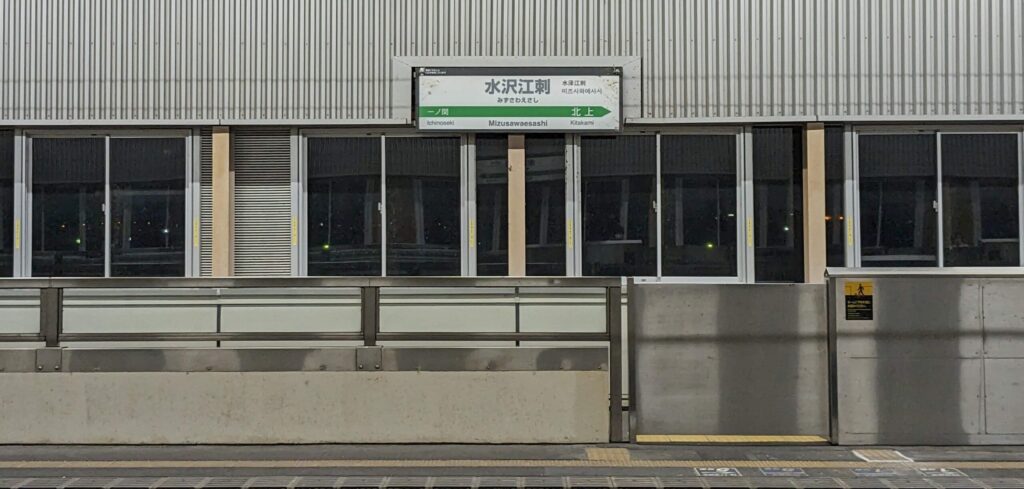
As you step off the Shinkansen, you’ll see the words “Welcome to Oshu City, the home of Shohei Ohtani!” written on the platform pillars.
Inside the station’s tourist information center, you can pick up exclusive merchandise and a map of places connected to him.
Oshu City Hall Monument (Handshake Spot)
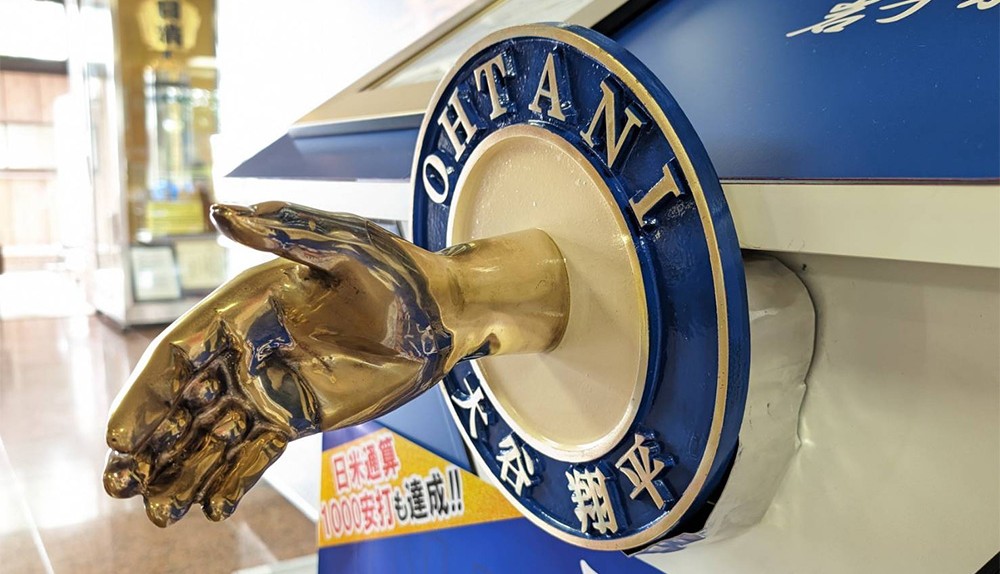
In front of the city hall stands a bronze monument shaped like a right hand.
Visitors say that touching it gives them a feeling of encouragement — “It makes me feel like I can do my best.”
The monument has since become a symbol of the city, and a visitor stamp is also available nearby.
Komagata Shrine
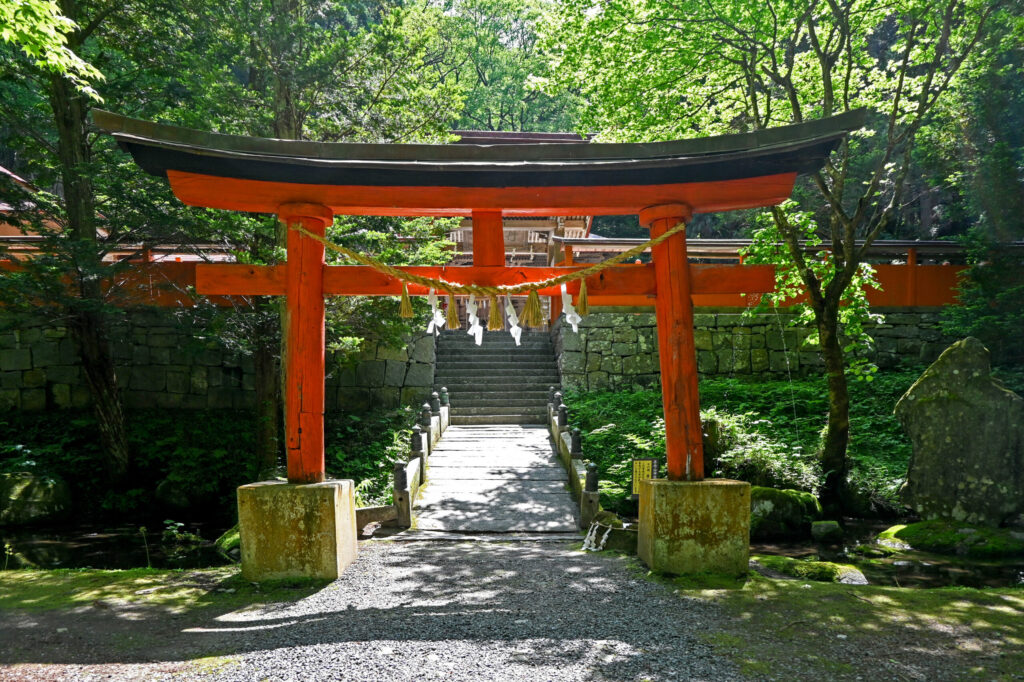
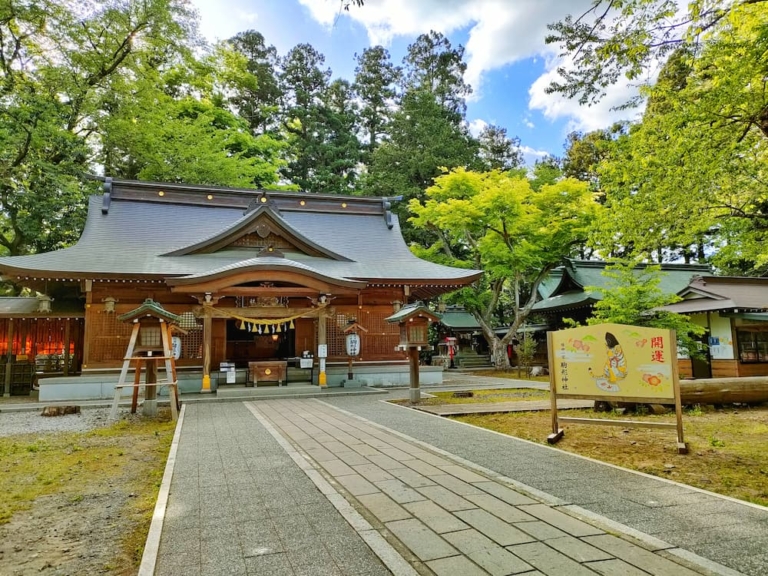
Inspired by his success, the “Two-Way Charm,” symbolizing balance between pitching and hitting, has become very popular.
Visitors range widely — from people hoping to balance work and family to students striving in both study and sports.
The shrine’s priest says, “We’ve infused his sincerity into each charm.”
Enjoy a Maesawa Beef lunch
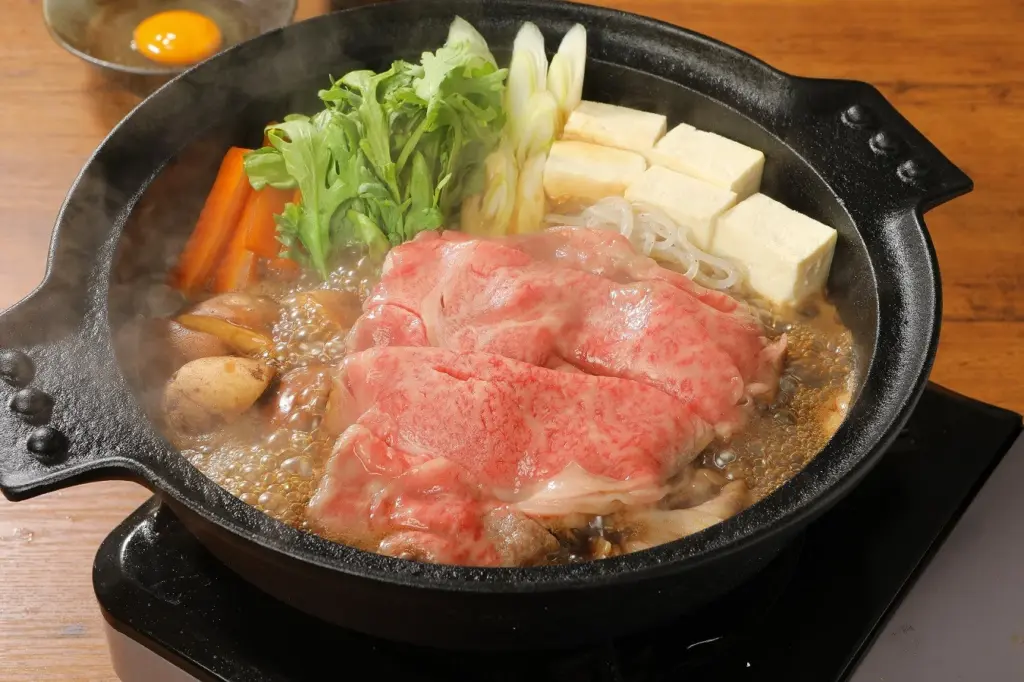
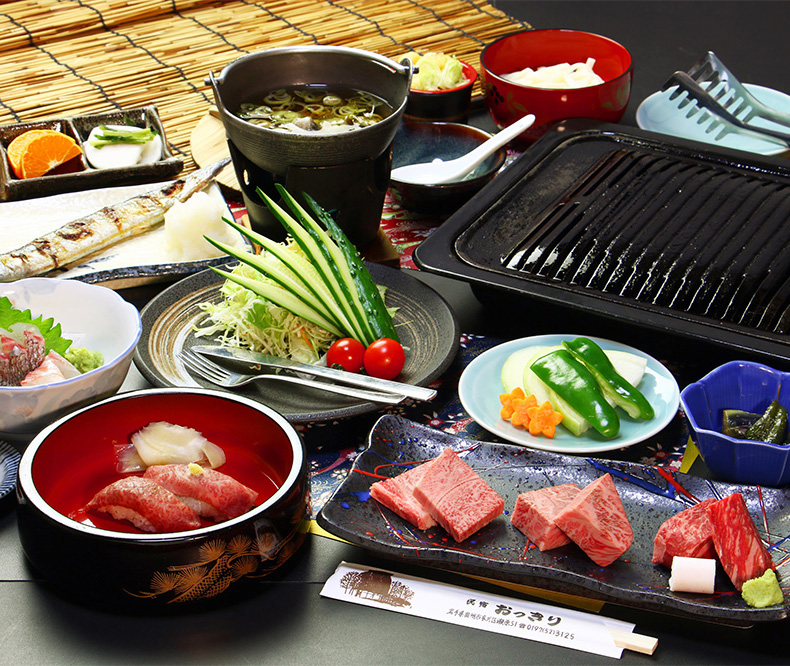
Oshu is famous for its premium Maesawa Beef, one of Japan’s top wagyu brands.
At the long-established restaurant Mishin, which Shohei Ohtani’s father is said to have visited with his teammates, sizzling teppan steaks and sukiyaki are local favorites.
Each meal is served in the traditional ichiju-sansai style — complete with locally grown rice and miso soup.
Day 2 – Hanamaki:
Hanamaki Higashi High School
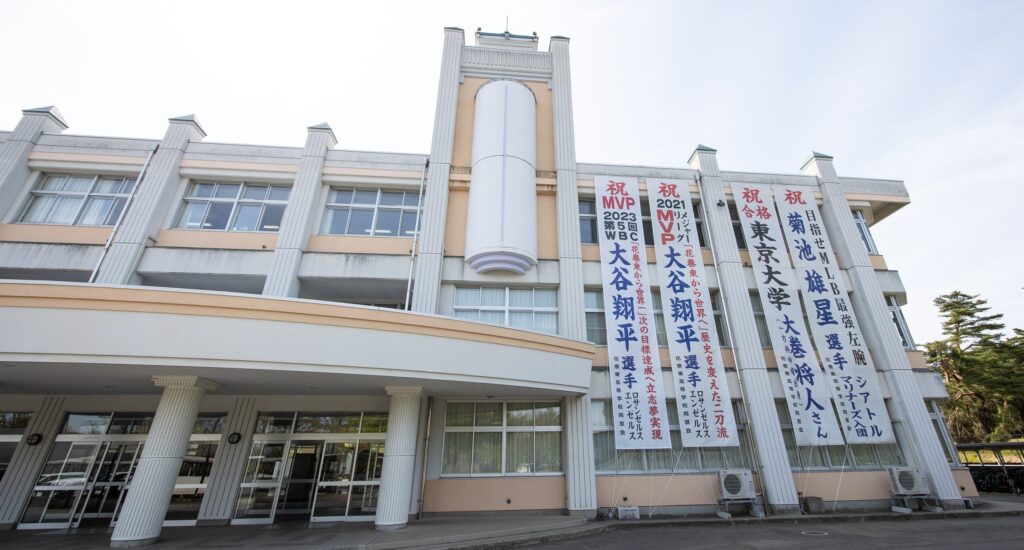
Near the school gate stand two monuments honoring stars Yusei Kikuchi and Shohei Ohtani.
Local fans continuously leave flowers and messages of admiration.
Even today, many students visit the site as a symbol of young people who keep striving toward their goals.
Hanamaki Onsenkyo (Hanamaki Hot Spring Village)
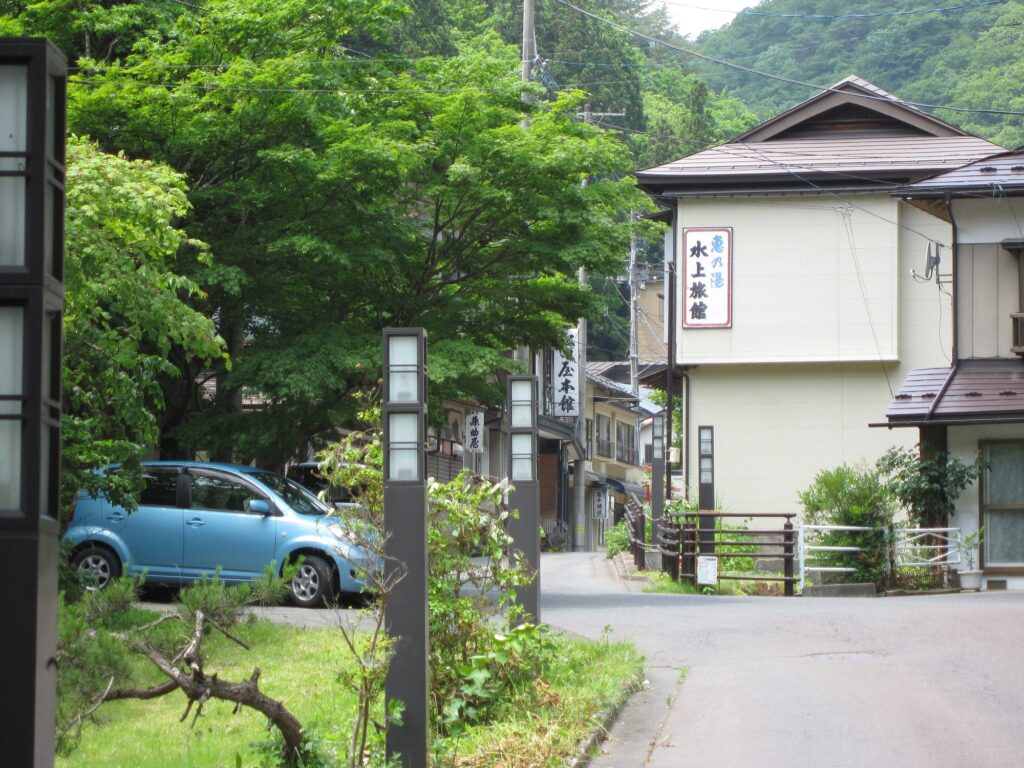
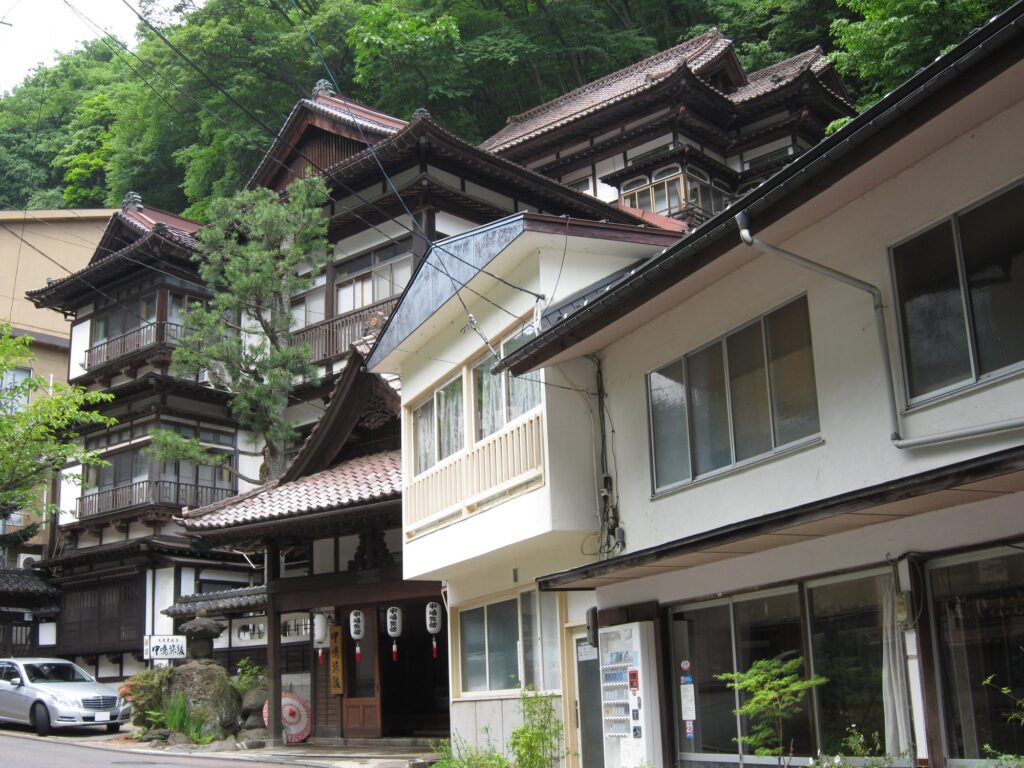
If you’re choosing a place to stay, Hanamaki Onsen is highly recommended.
It’s said that Shohei Ohtani once visited these hot springs with his family during his high school days.
Some accommodation plans now feature creative themes such as a “Two-Way Bento” or a “Victory Charm Bath.”
At night, you can relax with a drink under the starry sky, listening to the gentle murmur of the Kitakami River.
You’ll surely feel that the quiet of this land helped nurture his unwavering heart.
Taste of Hanamaki: Marukan Building Grand Cafeteria

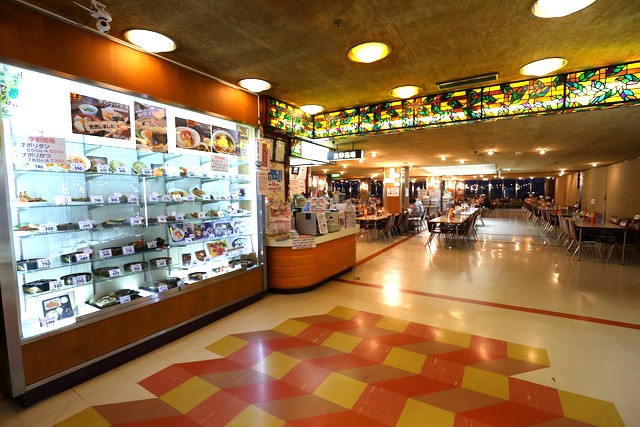

This beloved cafeteria is known as a “youth spot” for local high school students.
The famous 25 cm soft-serve ice cream, said to have been Shohei Ohtani’s favorite during his school days, is still on the menu today.
The local tradition of eating the giant soft serve with a fork lives on, unchanged.
Travel Tips
Access
From Tokyo Station → Mizusawa-Esashi Station (Tohoku Shinkansen, approx. 2 hours 20 minutes)
Getting Around
A rental car is convenient (around ¥6,000 per day). In winter, vehicles are typically equipped with snow tires for safety.
Best Seasons to Visit
Spring (cherry blossoms with lingering snow) and autumn (autumn leaves with the Maesawa Beef Fair) are especially beautiful.
Recommended Stay Areas
Hanamaki Onsenkyo / Shidotaira Onsen / Dai Onsen
Local Specialties
Maesawa Beef, Esashi Apples, Hanamaki’s Wanko Soba, and the giant soft-serve ice cream.
Souvenirs
Small Nambu iron pots (with a “two-way” motif), charms from Komagata Shrine, and mandala-chart-style notebooks (available only at the tourist information center).
For Visitors
Oshu and Hanamaki are not just tourist destinations — they are towns of people.
Please be respectful of the places you visit (especially schools) and considerate of the privacy of those connected to them.
A Chain of Kindness
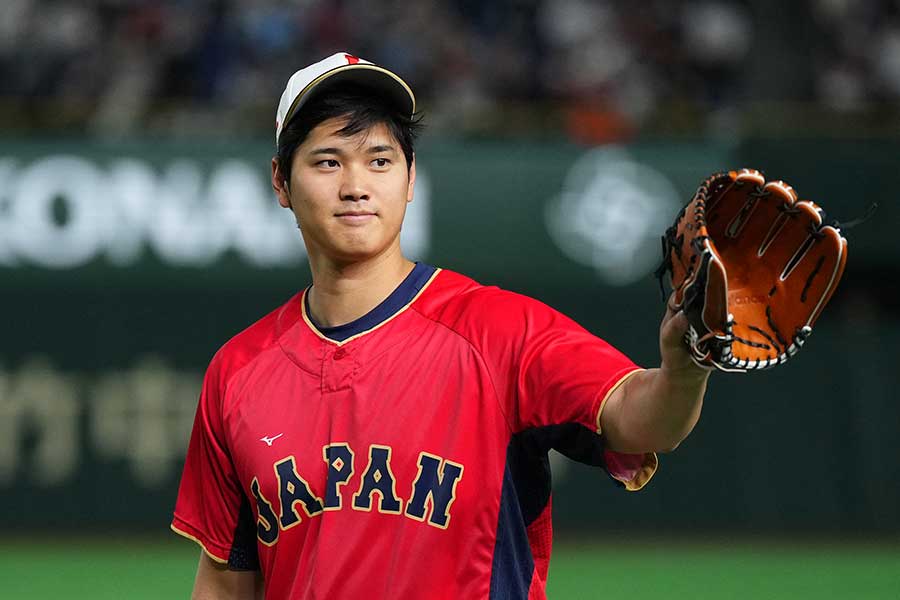
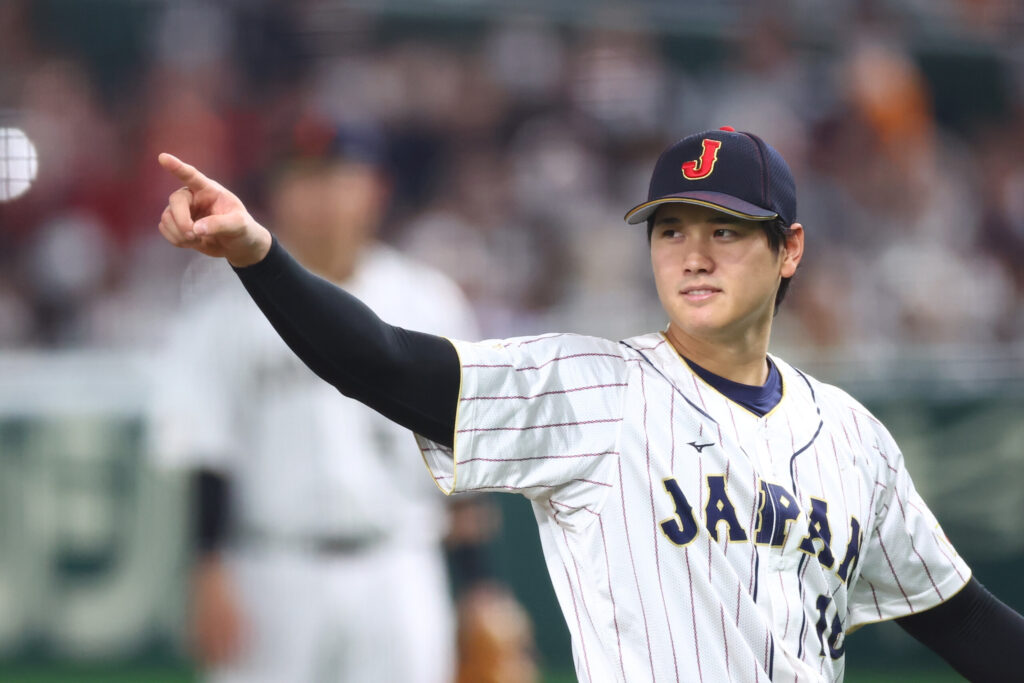
Ohtani’s impact goes beyond baseball.
His attitude has inspired countless children across Japan to start playing the sport.
At Hanamaki Higashi, students now use “Ohtani Notes” to map their goals, just as he once did.
Shops and schools in his hometown proudly display his photos and messages of support. Residents say, “His success gives us strength.”
When asked what they would say if he returned home, one elderly woman smiled: “We’d simply say, welcome back.”
Conclusion — The Strength to Design Effort
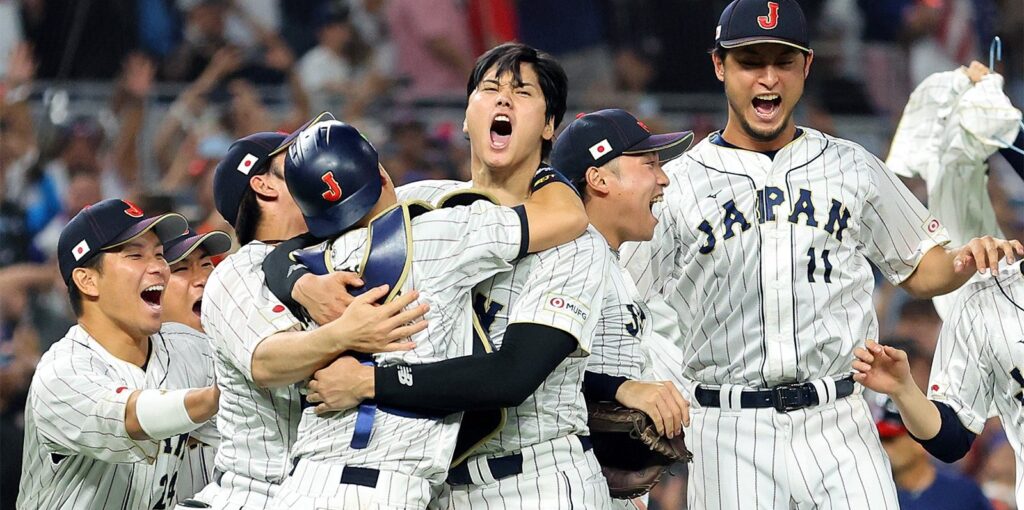
If Shohei Ohtani could be described in one phrase, it would be “a person who can design effort.”
Before speaking of his dreams, he drew them out — turning vision into concrete action.
Writing them down. Cleaning his surroundings. Straightening his posture.
Each act may seem ordinary, but together, they built the foundation of a “miracle” on the world stage.
“Talent is something you use up. Effort is something you continue.”
Watching the way he lives, you begin to understand what those words truly mean.
Shohei Ohtani’s story is more than one of baseball — it is a story about how to live.
To visualize your dream, to take small, steady steps each day — this may be a quiet revolution that anyone can begin.
The people of his hometowns, Oshu and Hanamaki, still hold a gentle pride — not because he dazzled the world with flash, but because he moved it with sincerity.
More than any headline or highlight, his attitude itself is his greatest charm.
When you visit his hometown, you can almost sense his presence — in the scent of the wind, in the vastness of the sky.
Strength and mindfulness together shaped a young man into a global symbol.
And the source of it all still breathes quietly in the towns of Iwate.
Shohei Ohtani’s journey is not merely a tale of baseball, but a philosophy of life.
To make your dream visible and live each day with care — with a little courage and effort, anyone can begin that same quiet revolution.
The Japanese version of this article is here.↓↓↓