- Introduction
- Shinto Beliefs and the Cultural Roots of Cleanliness
- Education and Habit Formation from an Early Age
- Social Harmony and Collective Responsibility
- Everyday Order in Public Life
- Practical Systems: Waste Management Explains Why Japan Is So Clean
- Cleanliness and Disaster Preparedness
- Modern Challenges: Rethinking Why Japan Is So Clean in Today’s World
- Lessons for Travelers and Everyday Respect
- Conclusion: The Deeper Meaning of Why Japan Is So Clean
Introduction
The first time you land in Japan, you might be struck by a near-magical phenomenon. No matter where you go — the urban bustle of Tokyo, the peaceful lanes of Kyoto, or the platforms of train stations — there is a sense of spotless order that seems almost unreal. Sidewalks show almost no litter, train cars gleam, and even public restrooms feel unexpectedly pleasant. Many visitors find themselves wondering why Japan is so clean .
With a population of roughly 125 million, one might expect a bit of chaos or at least more visible mess — yet Japan seems to defy that expectation. This cleanliness is not the result of harsh laws or high fines. Instead, it reflects a deeper social fabric woven from shared values, education, and quiet discipline.
In this article, we explore how cultural beliefs, early schooling, and a sense of collective responsibility have shaped what many call “Japan’s cleaning culture.” Behind every shining street lies a story of respect, cooperation, and mindful living — a story worth discovering.
Shinto Beliefs and the Cultural Roots of Cleanliness
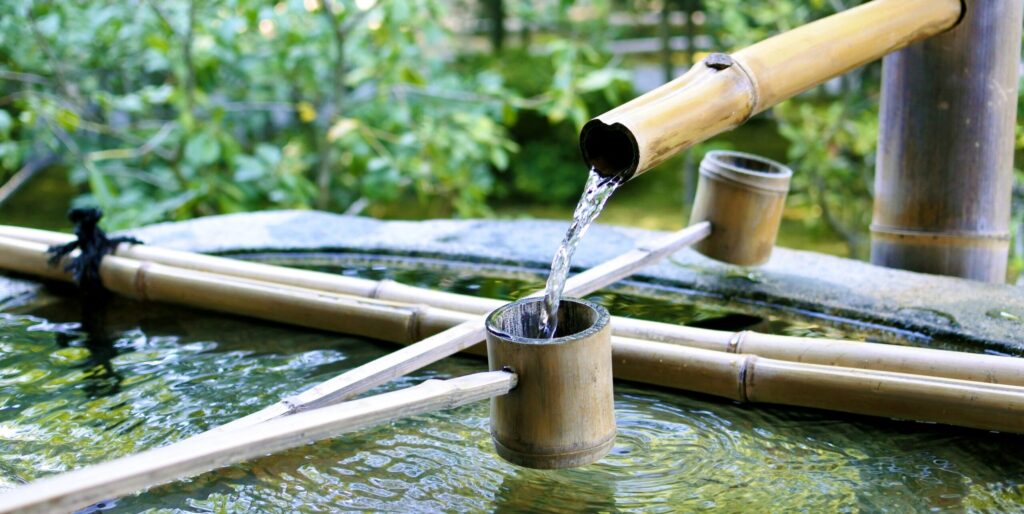
The foundation of why Japan is so clean begins with Shinto, the indigenous belief system that places great importance on purity and respect for nature. In Shintoism, cleanliness is both a physical and spiritual state — a way to remove kegare (impurity) and restore harmony.
When visitors wash their hands and mouths at shrine basins before praying, they participate in a ritual that symbolizes purification. Over the centuries, this connection between spiritual and physical cleanliness shaped Japanese behavior at every level.
Even today, the habit of removing shoes before entering a home, bathing before soaking in the tub, or keeping public places immaculate reflects this ancient belief that purity of surroundings mirrors purity of spirit. Cleanliness, in this sense, is not vanity — it is virtue.
Education and Habit Formation from an Early Age
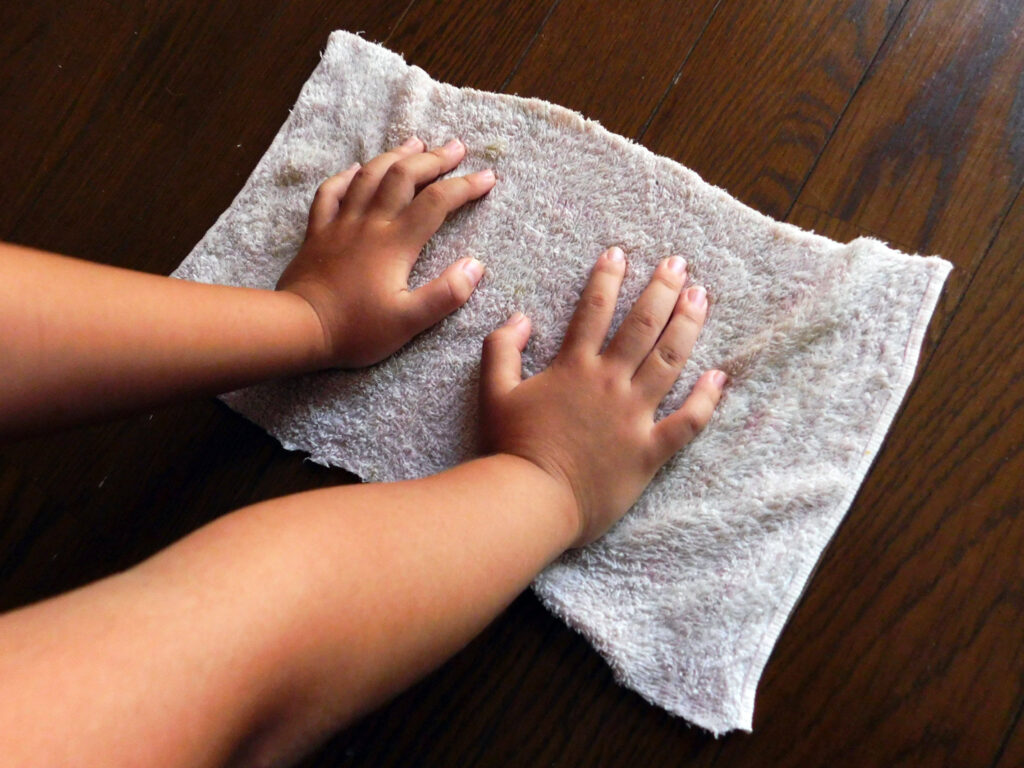
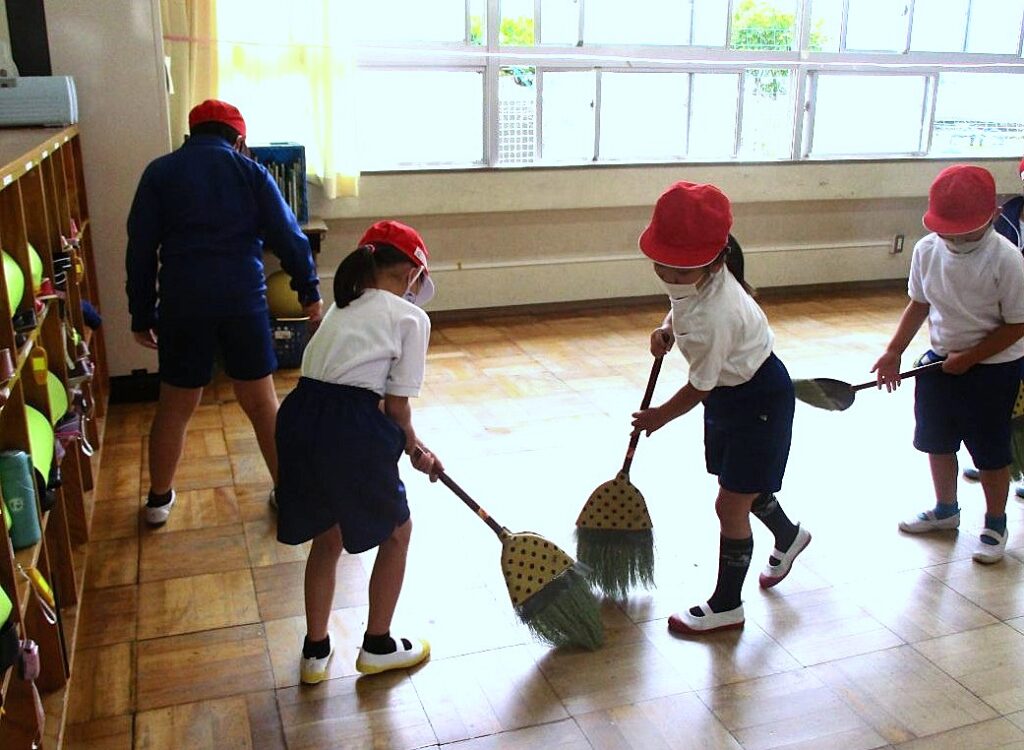
If you ask a Japanese person why Japan is so clean, many will point to childhood. In schools across the country, students take part in o-souji (cleaning time), where they sweep classrooms, wipe floors, and clean bathrooms themselves. There are no janitors in most public schools — the students do it all.
This daily routine is not only about keeping schools tidy. It’s a lesson in empathy and responsibility: children learn that shared spaces belong to everyone, and it is everyone’s duty to care for them. This mindset follows them into adulthood, shaping how they treat public property and community life.
Social Harmony and Collective Responsibility
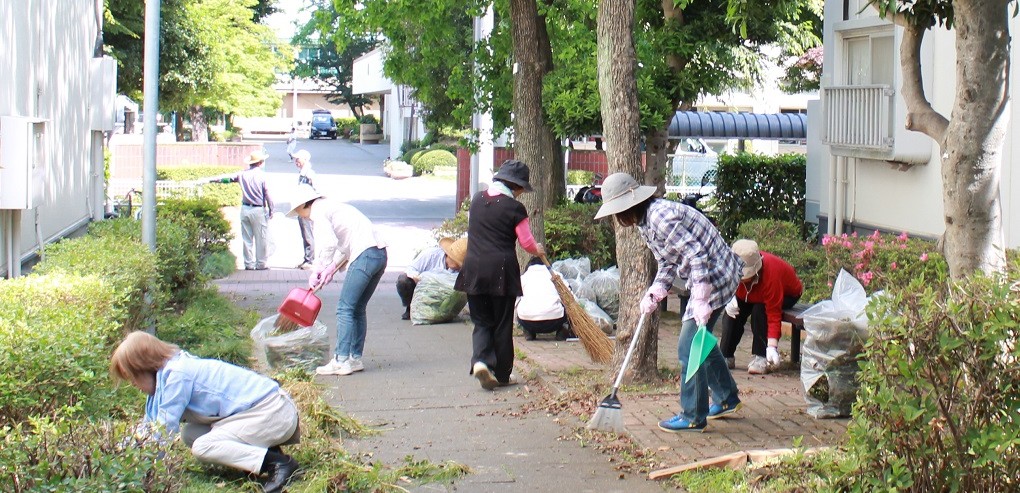
Another essential reason why Japan is so clean lies in social behavior. In a culture that prizes harmony (wa), causing inconvenience to others is seen as deeply discourteous. Dropping trash in public, even accidentally, feels like disrupting that harmony.


Because of this mindset, people carry their garbage home if no bins are available. This sense of mutual consideration extends to entire neighborhoods, where community associations regularly organize clean-up days. These gatherings, which date back to the Edo period, reinforce the idea that a clean environment is a shared responsibility.
Cleanliness in Japan isn’t enforced by fear of penalty but by pride and social awareness — an unspoken rule that everyone chooses to follow.
Everyday Order in Public Life
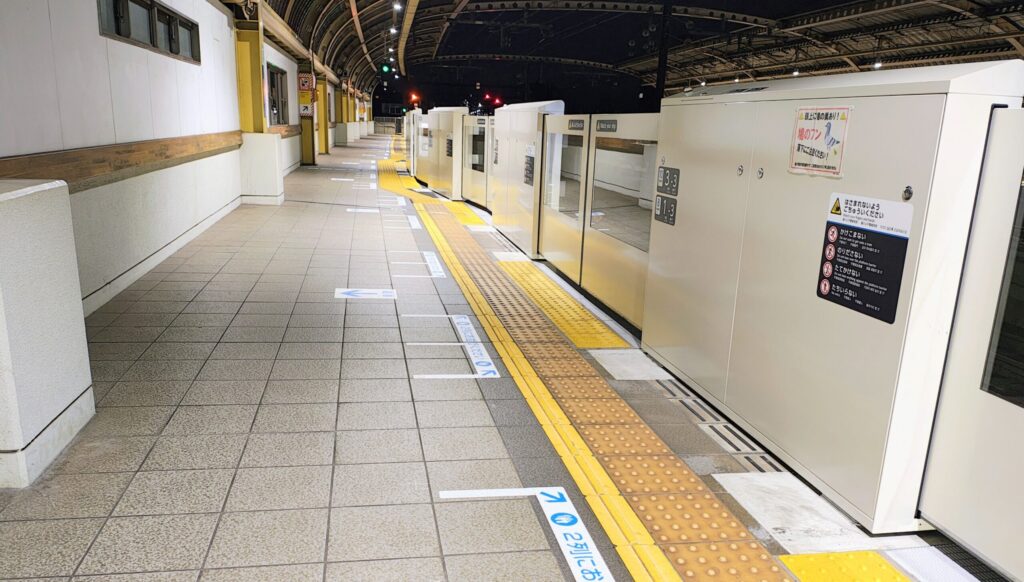
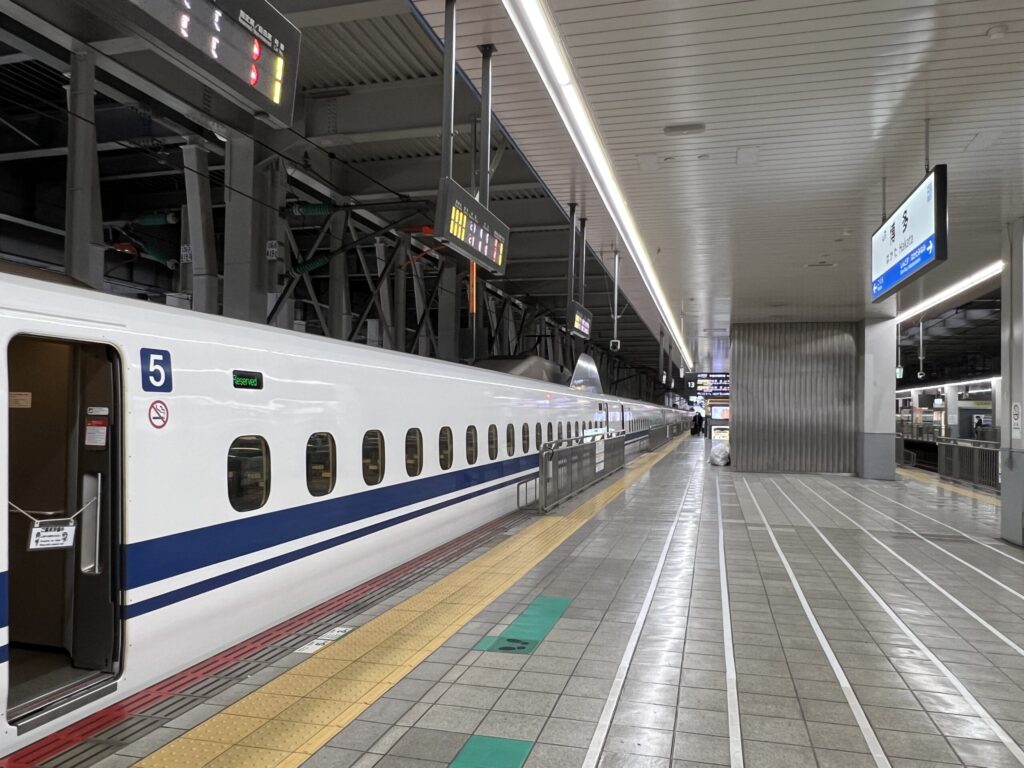
One glance at Japan’s public transportation system tells you everything about why Japan is so clean. Shinkansen trains are cleaned within minutes by teams that work with precision and respect, bowing to passengers before and after their shift. Street sweepers move silently through cities at dawn.
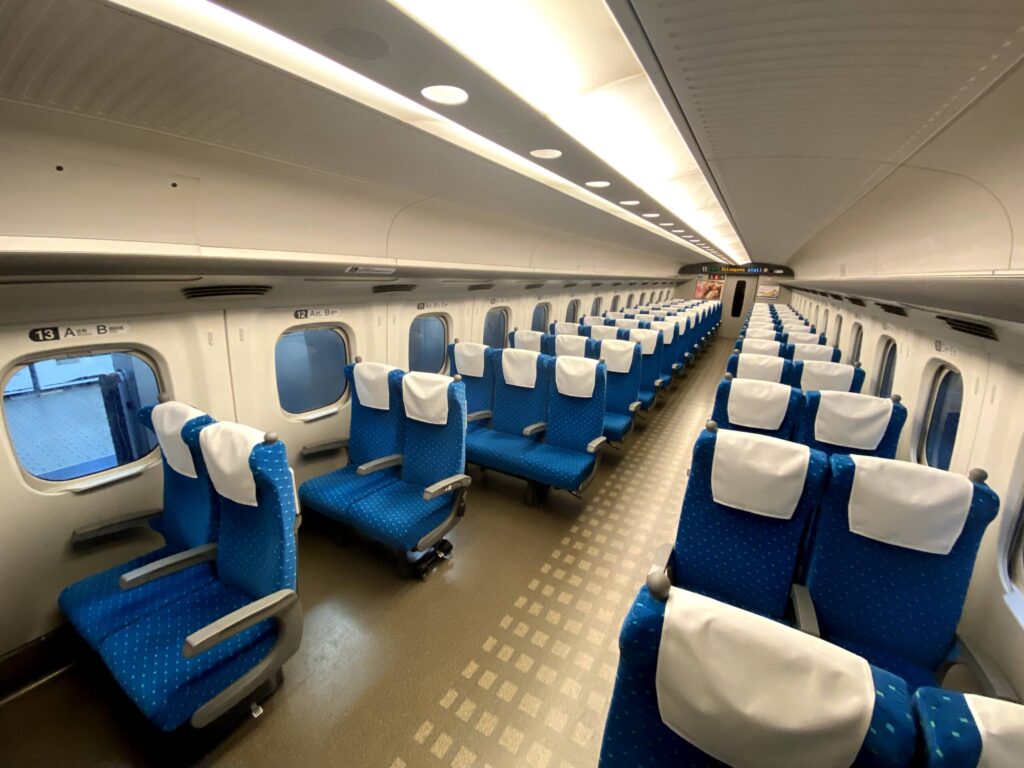
During the 2018 FIFA World Cup, Japanese soccer fans stunned the world by cleaning the stadium after matches. But to Japanese people, that act was simply normal behavior — a reflection of everyday life.
In offices, factories, and even restaurants, the same value is visible. The “5S” principle — Sort, Set in order, Shine, Standardize, Sustain — keeps workspaces neat and efficient. Clean environments are viewed as a sign of professionalism and mental clarity.
In workplaces across Japan, the phrase “5S” has become almost synonymous with improvement.
But 5S is far more than a slogan about tidiness — it’s a philosophy that strengthens an organization from the ground up. The term refers to five Japanese words beginning with “S”: Seiri (Sort), Seiton (Set in order), Seisou (Shine), Seiketsu (Standardize), and Shitsuke (Sustain). Originating in Japan and later adopted worldwide, 5S is a foundation of modern management and manufacturing systems, including the Toyota Production System.
Seiri (Sort) — Knowing What Truly Matters
The first step, “Seiri,” means identifying what is necessary and eliminating what is not.
By removing clutter — both physical and digital — employees can see what’s essential to their work. This clarity reduces wasted time and confusion, creating an environment where efficiency naturally follows.
Seiton (Set in Order) — Creating Systems Everyone Can Use
Next comes “Seiton,” the practice of arranging tools, documents, and materials so that anyone can find them instantly.
When every item has a designated place and clear label, the workplace transforms into a space of shared order. A tidy desk, yes — but also a tidy mind and team dynamic.
Seisou (Shine) — Cleaning as a Form of Awareness
“Seisou” is often translated as cleaning, but its real meaning runs deeper.
Through regular cleaning and inspection, workers can spot irregularities — oil leaks, damage, or wear — before they become problems. Cleaning, in this sense, becomes an act of mindfulness and care for one’s environment.
Seiketsu (Standardize) — Maintaining the Standard
Once the first three steps are in place, “Seiketsu” ensures they stay that way.
This involves setting clear standards and routines so that cleanliness and order are sustained over time. A well-maintained workplace doesn’t just look good — it fosters calm, confidence, and safety.
Shitsuke (Sustain) — From Rules to Culture
Finally, “Shitsuke” refers to discipline or habit formation.
It’s about turning 5S into a lasting culture through education, training, and daily practice. When employees naturally follow these principles, 5S becomes part of the organization’s DNA rather than a temporary campaign.
While 5S is often seen as a productivity tool, its deeper goal is human development.
Through the practice of order and cleanliness, individuals learn responsibility, teamwork, and respect — qualities that ultimately define a strong organization.
5S is not just about neat spaces. It’s about cultivating a mindset of awareness, improvement, and pride — the quiet discipline that builds lasting excellence.
Practical Systems: Waste Management Explains Why Japan Is So Clean
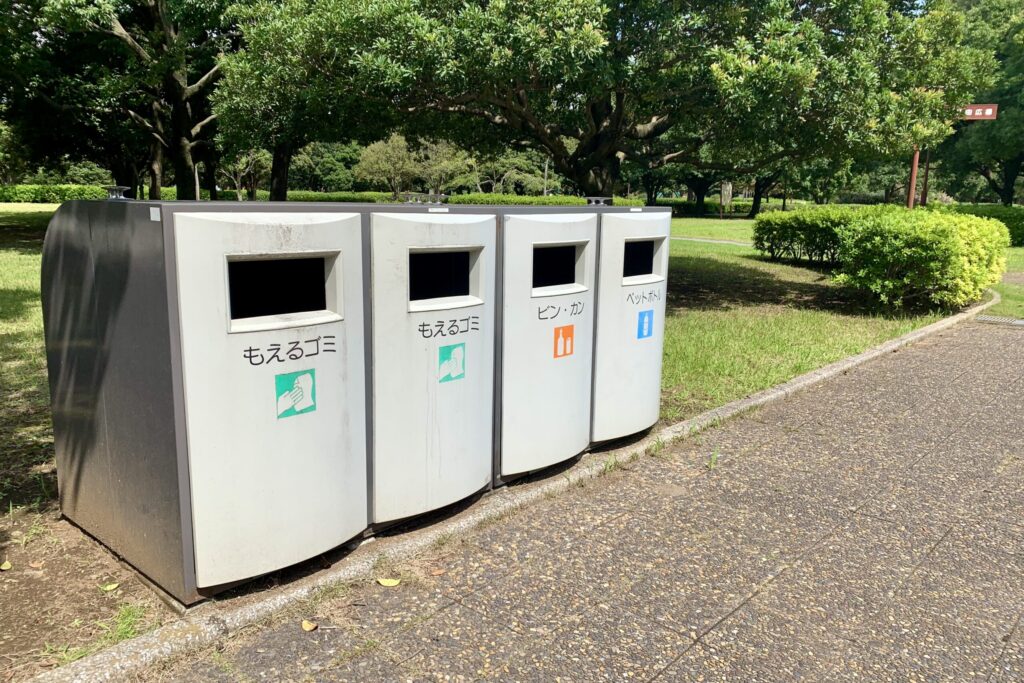
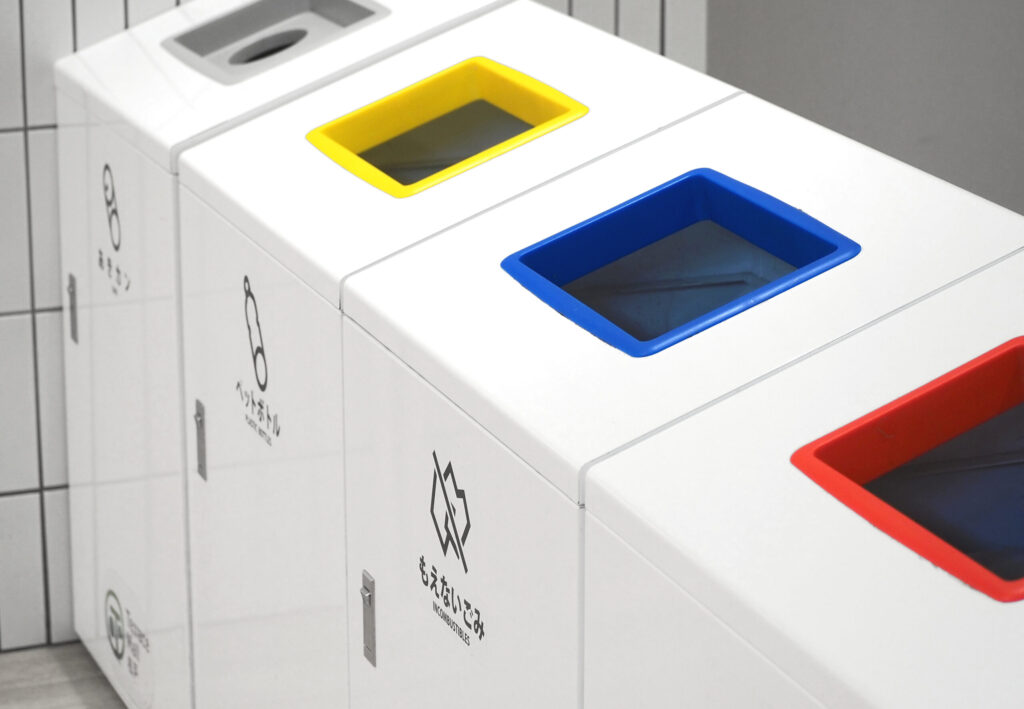
Behind the philosophy, there is also a practical system that explains why Japan is so clean. Japan’s waste management structure is strict but efficient. Residents separate trash into detailed categories — burnable, non-burnable, plastics, recyclables — and follow designated collection days set by local governments.
Public trash bins are rare, yet the streets remain spotless because people take ownership of their waste. This behavior, coupled with community recycling programs, creates a cycle of accountability.
Interestingly, the lack of public bins dates back to the 1995 Tokyo subway sarin attacks, after which many were removed for safety reasons. The unexpected result? An even stronger culture of personal responsibility for one’s waste.
Cleanliness and Disaster Preparedness

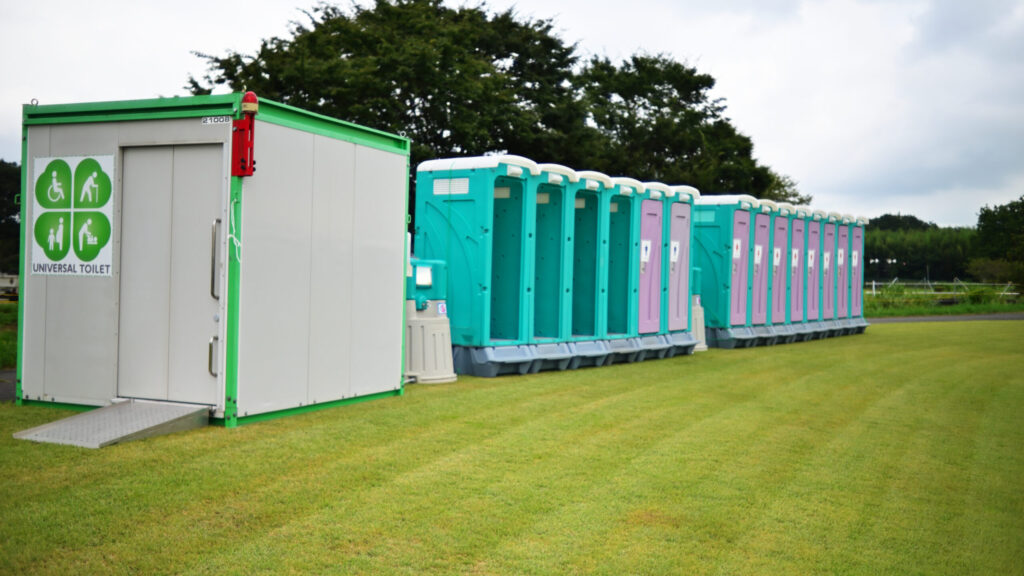
Japan’s cleanliness is not only aesthetic — it’s practical. Living in a disaster-prone country has made hygiene and organization essential for survival. During earthquakes, typhoons, and floods, evacuation shelters remain orderly and sanitary thanks to disciplined cooperation among volunteers and residents.
Observers often describe these scenes as “calm in chaos.” People line up neatly for food, sort trash, and share cleaning duties — proof that why Japan is so clean is rooted in collective instinct, not convenience.
This readiness for order, shaped by centuries of hardship, helps keep public spaces — and communities — functioning smoothly even under pressure.
Modern Challenges: Rethinking Why Japan Is So Clean in Today’s World
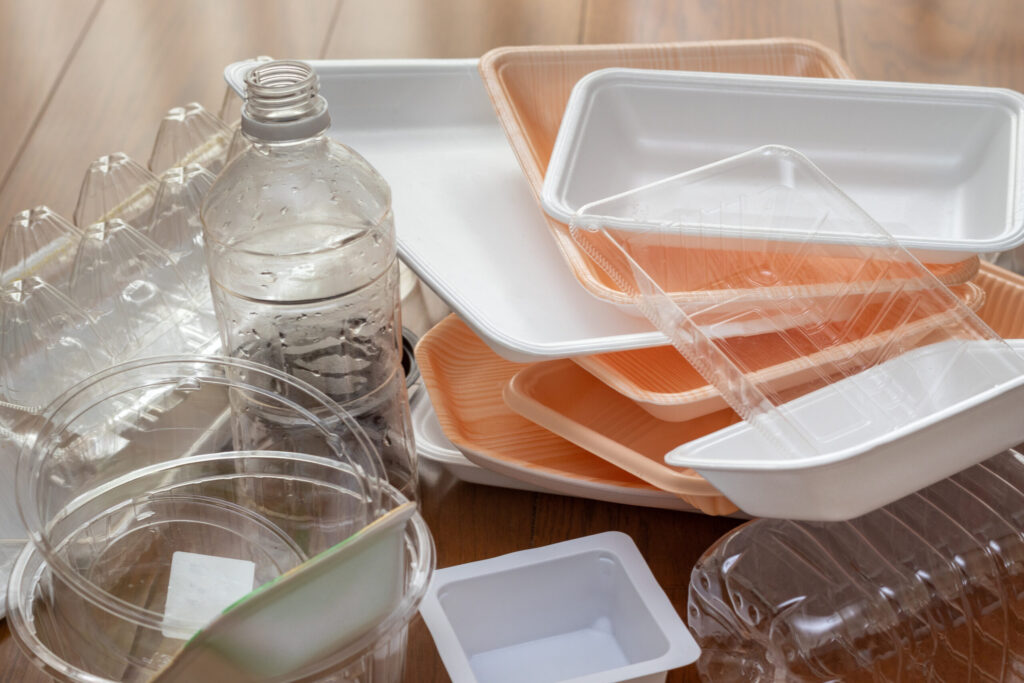

Of course, even a country known for its tidiness faces modern challenges. As tourism booms, waste management systems are being tested. Some rural areas struggle with aging infrastructure and shrinking budgets. Plastic use and over-packaging remain major environmental issues.
Yet, despite these pressures, Japan continues to evolve. Many municipalities promote zero-waste initiatives, and travelers are encouraged to follow local disposal rules. In this way, the idea of why Japan is so clean continues to grow — adapting to global environmental awareness while preserving cultural roots.
Lessons for Travelers and Everyday Respect

For travelers, understanding why Japan is so clean can transform the way you experience the country. Here are a few tips to follow the local spirit:
- Carry a small bag for your trash; you may not find bins easily.
- Observe how locals behave in public spaces — quiet, tidy, considerate.
- Follow onsen and temple etiquette: cleanliness is respect.
- Check waste-sorting rules at your accommodation; every city differs.
By joining in these unspoken customs, you become part of Japan’s harmonious rhythm — not just a visitor, but a participant in its culture of care.
Conclusion: The Deeper Meaning of Why Japan Is So Clean
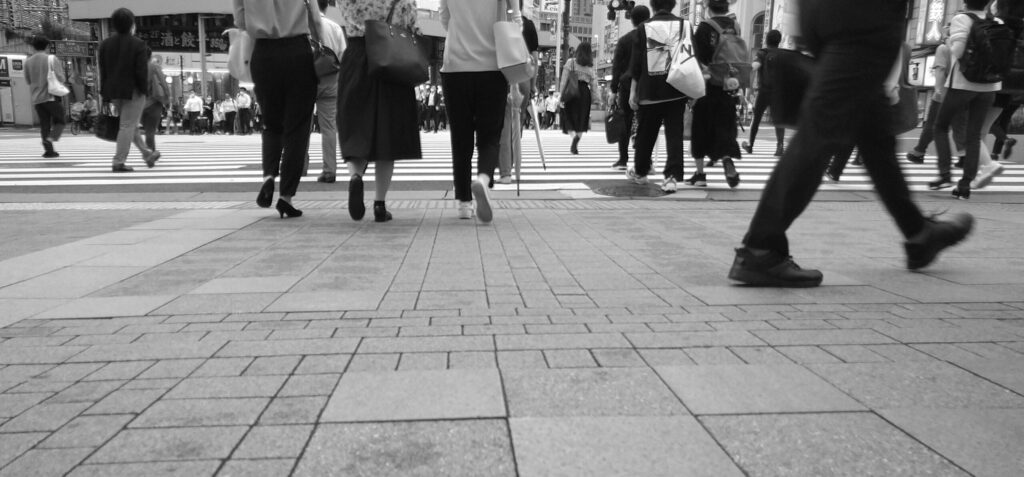
So, why is Japan so clean? The answer lies in a remarkable fusion of spirituality, education, and social ethics. From the Shinto concept of purification to school-based cleaning routines and community cooperation, cleanliness in Japan reflects respect — for people, for spaces, and for life itself.
This isn’t just a story about spotless streets or shiny trains. It’s about mindfulness in motion — a way of living that connects beauty with responsibility. And that, more than anything, explains why Japan remains one of the cleanest nations on Earth.
The Japanese version of this article is here.↓↓↓