Introduction
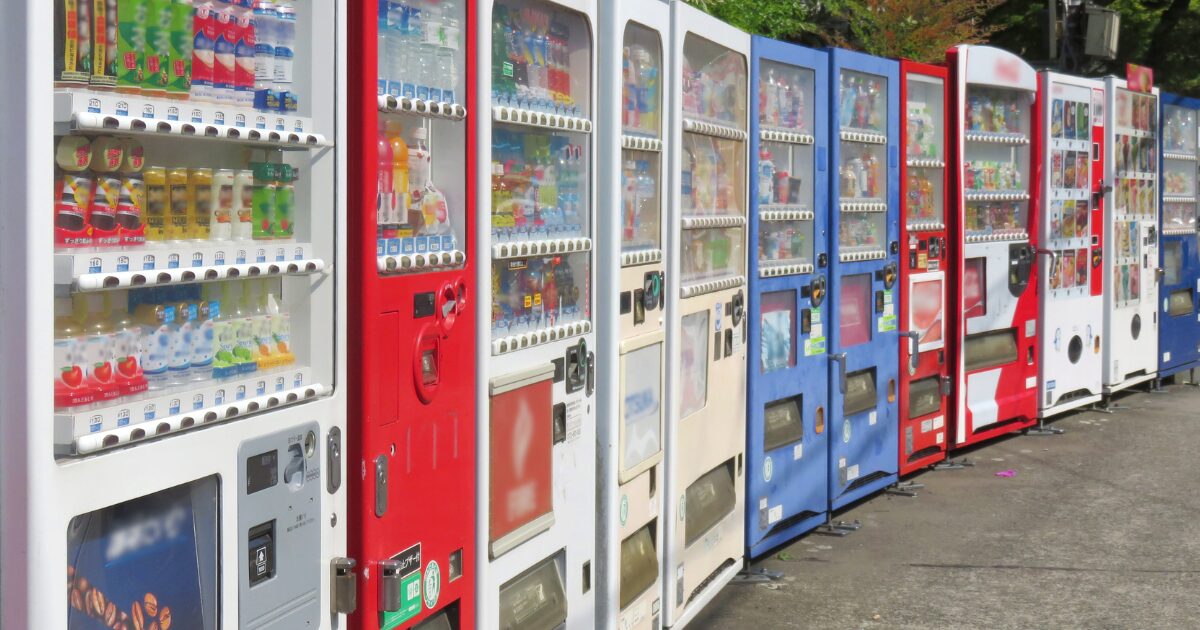
If you’ve ever been to Japan, you’ve noticed something remarkable. Japan vending machines are everywhere — from quiet villages to busy Tokyo streets. They stand like small beacons of convenience.
With over 4 million machines nationwide, Japan has the highest vending density in the world.
But why are they so common? The answer lies in culture, safety, and technology — three forces that keep Japan’s world running smoothly.
A Culture of Convenience and Trust in Japan Vending Machines

Japan vending machines are not just machines; they reflect Japan’s social values. In a country where honesty and order matter deeply, these machines thrive without fear of theft or vandalism. You can find them on mountain paths, near shrines, or even at lonely bus stops — all perfectly intact.
This happens because Japanese people respect public property and care for shared spaces, a habit taught from childhood. As a result, vending machines can stand safely almost anywhere.
Convenience is also part of Japan’s identity. Life moves quickly, so people expect services that are reliable, clean, and easy to reach. Japan vending machines meet this need with quiet precision. They offer drinks, snacks, and small comforts like soup or coffee within seconds. Therefore, they symbolize a bond of trust between society and technology.
Economic and Technological Growth
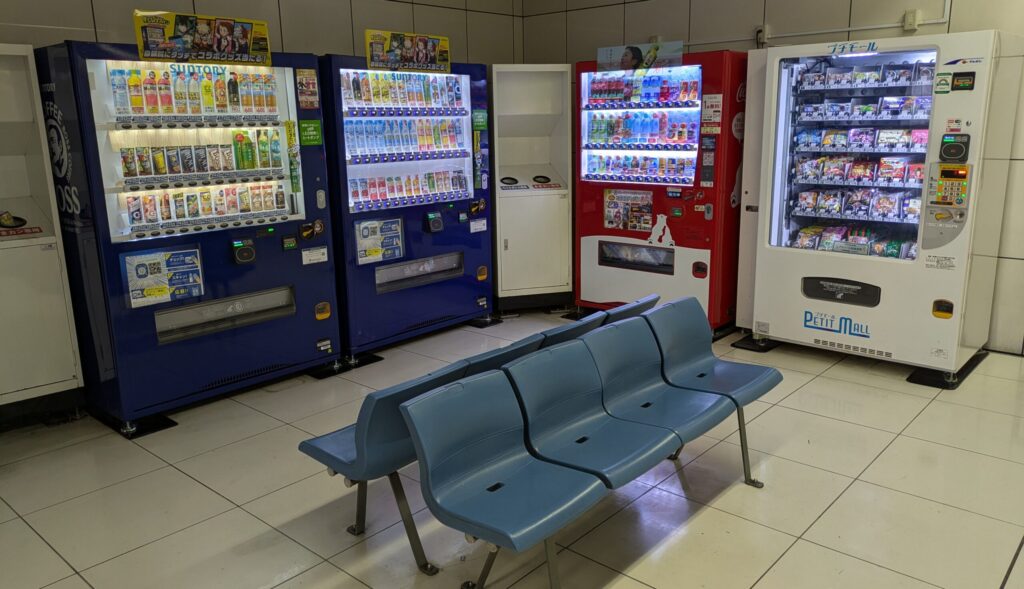
The rise of Japan vending machines began during the economic boom of the 1970s and 1980s. As cities grew and labor costs rose, businesses looked for efficient ways to serve customers.
Vending machines were the answer: open 24 hours, staff-free, and consistently profitable in a small space.
Over time, companies such as Fuji Electric, DyDo, and Asahi added smart features. Machines accepted IC cards like Suica and Pasmo, displayed digital ads, and used sensors to track temperature and time.
Moreover, some units changed their drink selection automatically — cold beverages in summer, hot ones in winter. Others began selling frozen meals, umbrellas, or flowers. As a result, vending evolved into an art form combining creativity and technology.
Safety, Infrastructure, and the Ideal Environment for Japan Vending Machines
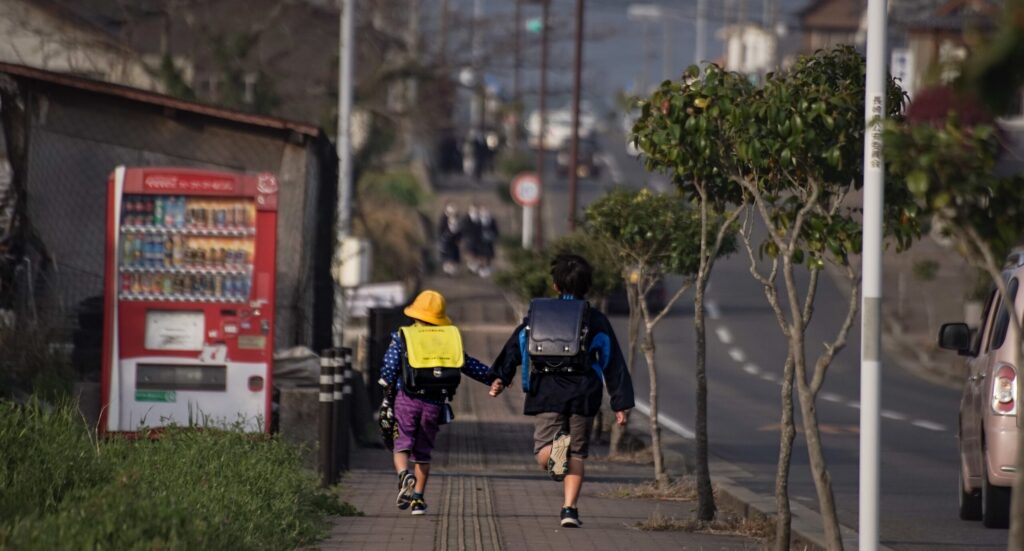
Japan’s low crime rate and reliable power supply create the perfect environment for Japan vending machines. Well-lit streets and frequent patrols make them secure day and night.
In addition, the electric grid is extremely stable, so machines keep running with little interruption.
In rural towns, they often act as lifelines. When convenience stores are far away, they provide water, food, and sometimes medical supplies. During disasters such as earthquakes or typhoons, companies like Coca-Cola Japan and Ito En activate “emergency vending machines” that release free water. In these moments, technology becomes compassion in action.
The Human Touch Behind Japan’s Vending Culture
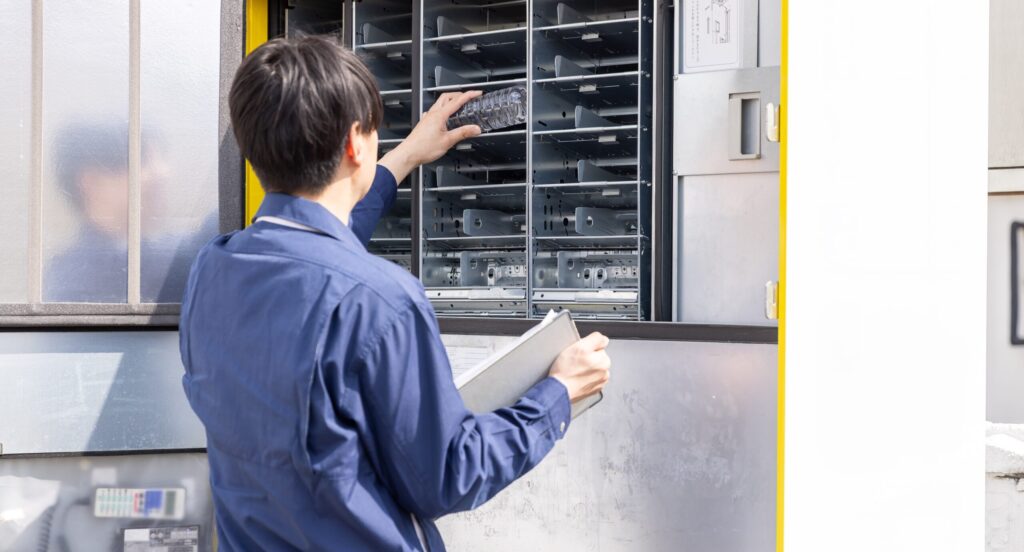
Despite their mechanical nature, Japan vending machines carry a distinctly human warmth. Each unit is maintained daily by workers who restock drinks, clean the panels, and check performance. Their attention ensures that everything looks and feels perfect. Many machines are designed to reflect their surroundings — floral motifs near temples, anime art in Akihabara, minimalist designs in business districts. This sensitivity to place and community expresses omotenashi — Japan’s philosophy of heartfelt hospitality.
Rather than being symbols of isolation, Japan vending machines show how automation can coexist with empathy. They are extensions of care — always clean, always reliable, always ready to serve.
Conclusion
Japan’s vending machines represent more than convenience—they embody a society built on trust, innovation, and consideration.
Each machine tells a story of how technology and humanity coexist.
In a fast-changing world, Japan’s vending culture reminds us that progress doesn’t mean losing our sense of care—it means designing convenience with heart.
The Japanese version of this article is here.↓↓↓