- Introduction
- The Origins of Origami — From Sacred Rite to Everyday Play
- The Aesthetics of Origami — A Japanese Way of Making Something from Nothing
- The Paper Crane — Carrying Peace and Prayer to the World
- Where Science Meets Art — Structural Wisdom Unfolded by Origami
- Origami as Education — A Culture that Cultivates “Intelligence of the Hands”
- A Culture that Connects the World — Origami’s Global Empathy
- Experiencing Origami — Japan’s Quietness the World Longs For
- Contemporary Origami — Where Technology and Art Converge
- What Origami Points to — A “Quiet Creativity” the World Can Learn
- Conclusion: Human Wisdom Dwells in the Fold
Introduction
In a quiet room, a single sheet rests on your palm.
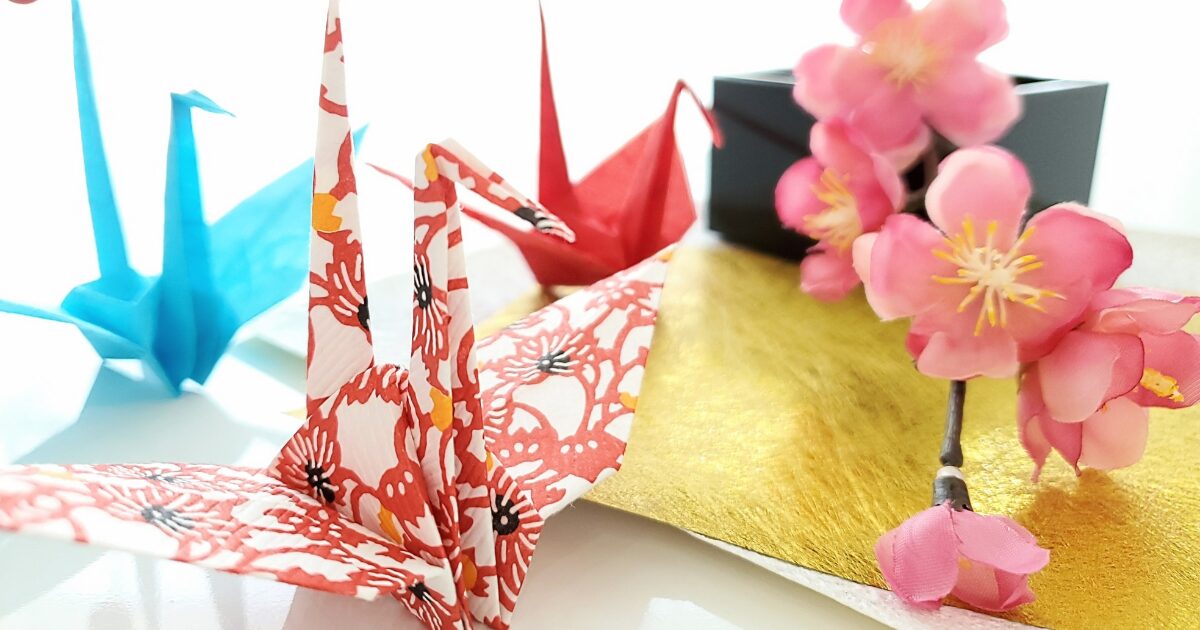
Fold it with care and, before long, a crane takes wing, a flower opens, a star appears. With no scissors and no glue—only your hands and a steady mind—form arises. That is origami.
Origami is more than a pastime. It is a practice that embodies the Japanese spirit of harmony, simplicity, and stillness through the movement of the hands. Into the humble material of everyday paper we fold imagination and prayer. In that process live reason and feeling—and a distinctly Japanese reverence for things.
The Origins of Origami — From Sacred Rite to Everyday Play
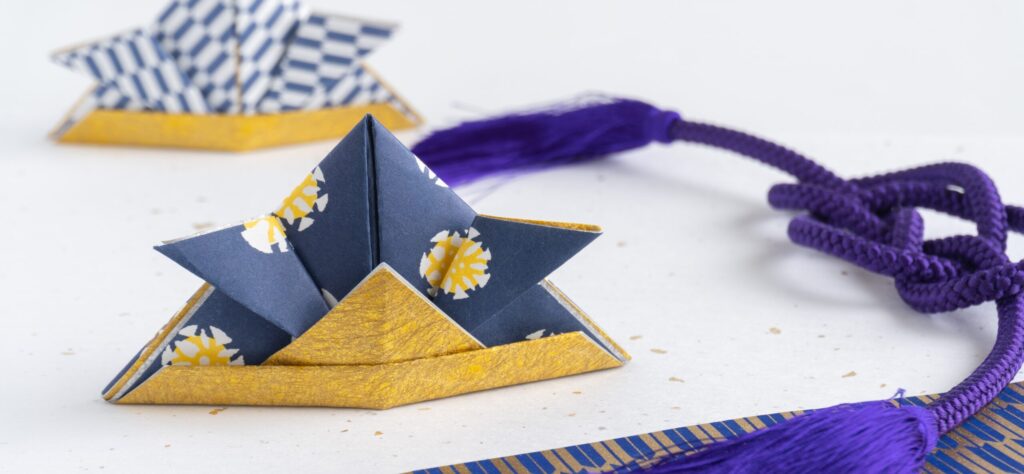
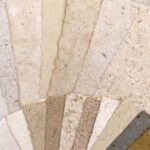
The history of origami stretches back more than a thousand years. Paper arrived from China around the 7th century. In time, Japan developed its own method of papermaking—washi—and paper came to be treated as sacred, used in Shinto rites and court culture.
During the Heian period, people began folding paper to wrap offerings for the gods. This practice is considered the origin of origata, the formal art of ceremonial wrapping. More than a way to package things, origata expressed the giver’s heart and respect in visible form, and it became the prototype for today’s noshi paper and celebratory envelopes.
In the Edo period, paper production increased and ordinary people could obtain it. Children and adults alike folded leftover paper into cranes and flowers. In 1797 the book Senbazuru Orikata (“How to Fold a Thousand Cranes”) was published, helping fix origami as a cultural pastime. From that point, folding moved from religious function to creative play—it passed into the hands of the people.
The Aesthetics of Origami — A Japanese Way of Making Something from Nothing
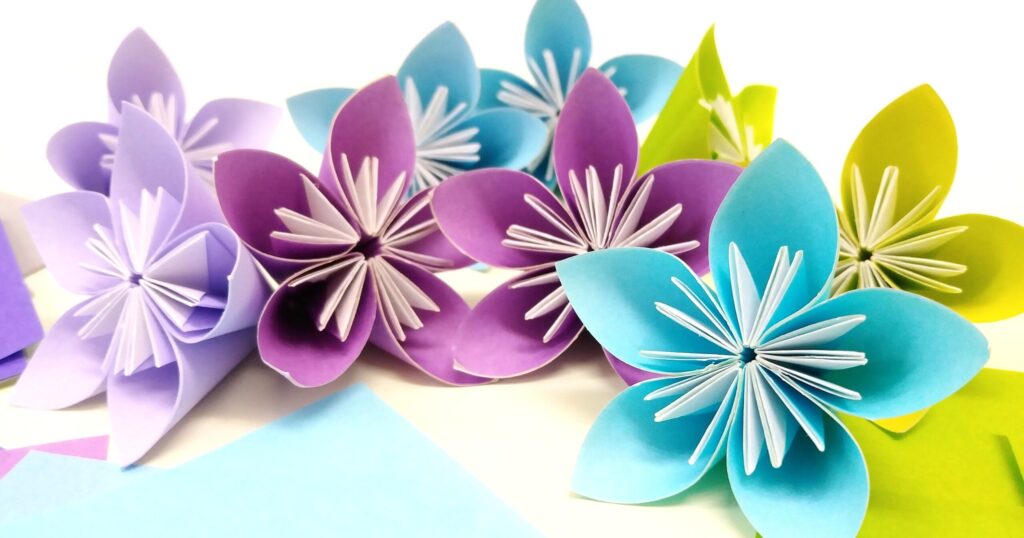
Origami’s charm lies in its simplicity. From a single square, you add nothing and remove nothing, yet a form emerges. This “beauty of subtraction” is a philosophy that runs through Japanese culture.
As in tea ceremony, calligraphy, and Zen thought, Japanese aesthetics find beauty in margin and silence. Origami, too, is an art of concentration born in stillness. The act of folding resembles meditation: each crease pressed along the grain draws your awareness into the present moment.
A crease is more than a line; it is the trace of the maker’s mind. Rather than chase perfection, one learns to find character in slight irregularities and asymmetry. That sensibility embodies wabi-sabi, the Japanese appreciation of imperfection and transience.
The Paper Crane — Carrying Peace and Prayer to the World
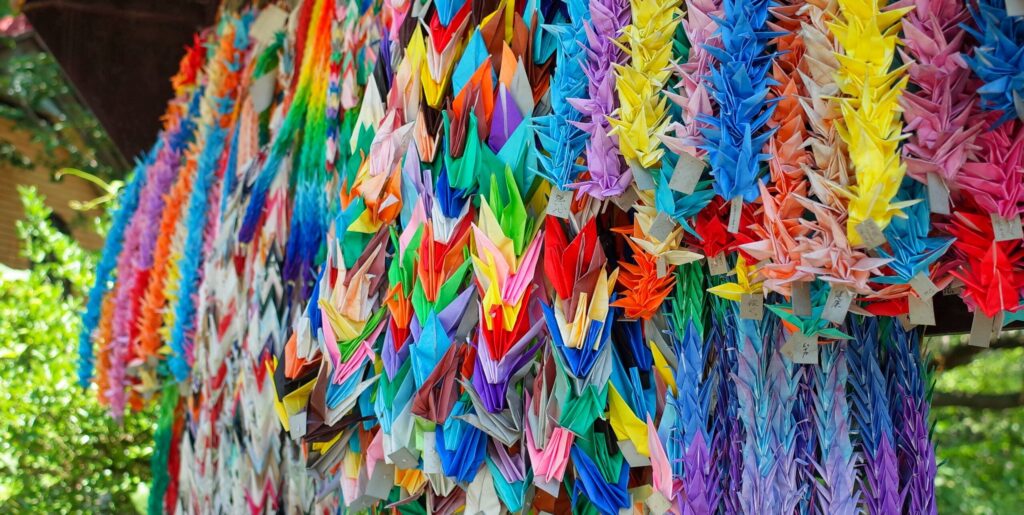
Among origami figures, the paper crane holds special meaning. For centuries the crane has symbolized longevity and good fortune in Japan.
After the war, the story of Sadako Sasaki, a girl in Hiroshima who folded a thousand cranes while battling illness, spread around the world. Believing the saying “Fold a thousand cranes and you will recover,” she kept folding but passed away at twelve.

Her friends carried on her wish, establishing the Children’s Peace Monument in Hiroshima’s Peace Memorial Park. Even today, cranes sent from around the globe are offered there as symbols of prayer.
Fragile though it is, a crane made of paper continues to bear a message of enduring hope. Its very existence shows that origami is not merely play—it is a culture that binds hearts together.
Where Science Meets Art — Structural Wisdom Unfolded by Origami
Origami is an art of feeling and a crystallization of science.
The seemingly simple question—how must creases be placed for a solid form to stand—opens directly onto geometry, physics, and engineering.
Origami structures exemplify mathematical beauty. For example, the Miura fold, devised by Japanese researcher Koryo Miura, is known for deploying solar panels efficiently in space. In medicine, origami principles are applied to foldable stents and even artificial heart components.
From the simple act of folding paper arise ideas that reach into aerospace, robotics, and architectural design. The source is origami’s core philosophy: freedom within constraint.
Every crease is a record of thinking that seeks both structural logic and beauty. Japan’s notion of functional beauty lives here as well.
Origami as Education — A Culture that Cultivates “Intelligence of the Hands”
Origami
Japan
In classrooms, origami is highly valued. Especially for young children, folding is not just play; it is training that develops tactile intelligence.
Aligning edges and setting sharp creases promotes fine motor control while nurturing focus and patience. Using both hands activates both hemispheres of the brain and supports the growth of spatial awareness and logical thinking.
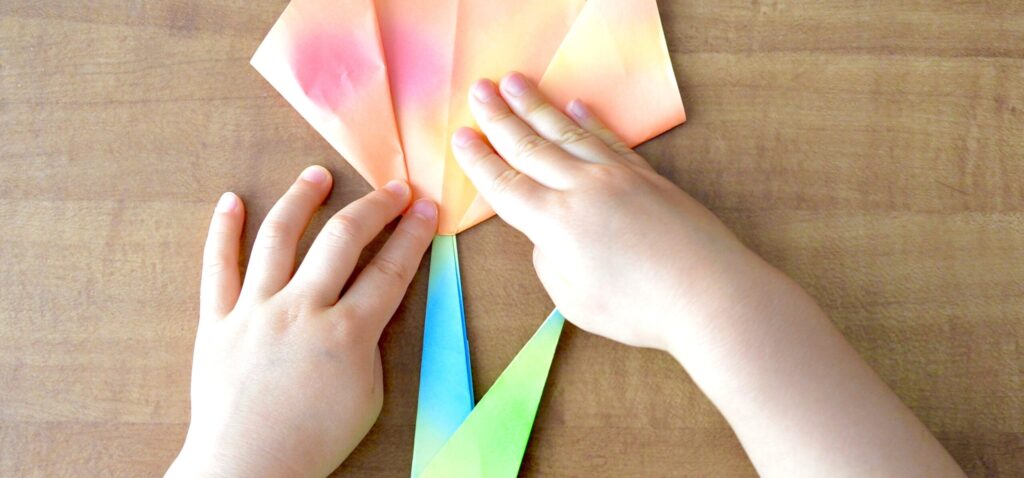
Educational psychology highlights several benefits:
- Development of dexterity: Fine finger control improves, aiding handwriting and tool use.
- Better attention and concentration: Following steps builds mental stamina.
- Growth in spatial reasoning: Watching a plane become a solid sharpens sense of shape and composition.
- Creativity and resilience: The experience of refolding after mistakes encourages trial and error and flexible thinking.
In this way origami is whole-person learning that links hands, eyes, brain, and heart. The attitude of “If it doesn’t work, I’ll try again” yields a rare kind of growth that rote learning cannot.
Origami is used not only in early education but also in elder care and rehabilitation. Finger movements stimulate the brain and can help maintain memory and cognition. In short, origami is a culture that cultivates people across ages.
A Culture that Connects the World — Origami’s Global Empathy
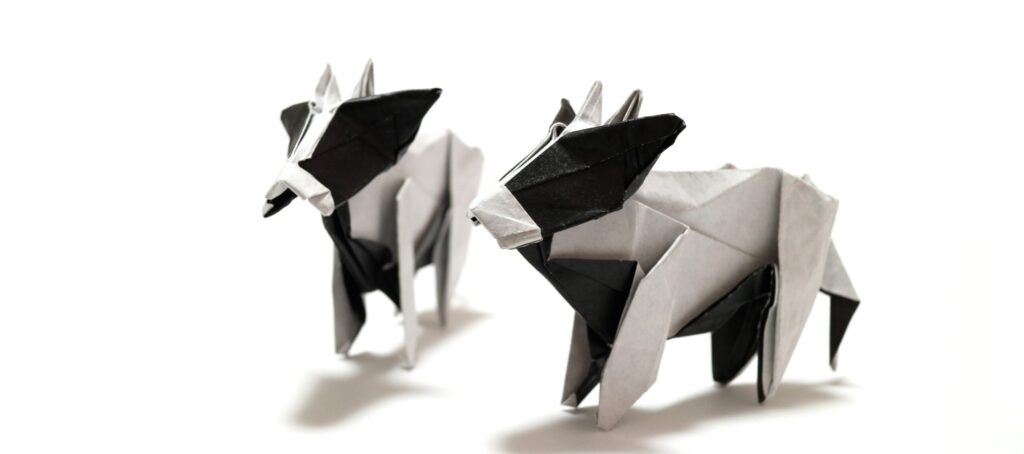
Today origami is a language shared worldwide.
A key figure in this spread was Japanese origami artist Akira Yoshizawa (1911–2005). He developed the Yoshizawa–Randlett notation, a system of arrows and symbols that lets anyone understand folding steps. Thanks to it, origami became a culture that can be shared globally.
In the West, groups formed around Lillian Oppenheimer; the British Origami Society in the UK and OrigamiUSA in the United States were established. Now clubs and educational programs exist across Asia, Europe, South America, and Africa, and international origami conventions bring together artists and researchers from dozens of countries.
Through this exchange, origami is recognized as nonverbal communication that crosses language barriers. Folding the same paper side by side, people share culture and values and learn cooperation and respect.
Origami also plays a role in diplomacy and cultural outreach. Japanese embassies and cultural centers frequently host workshops where visitors fold cranes and offer prayers for peace. A single sheet becomes a bridge—between nations and between people.
Experiencing Origami — Japan’s Quietness the World Longs For
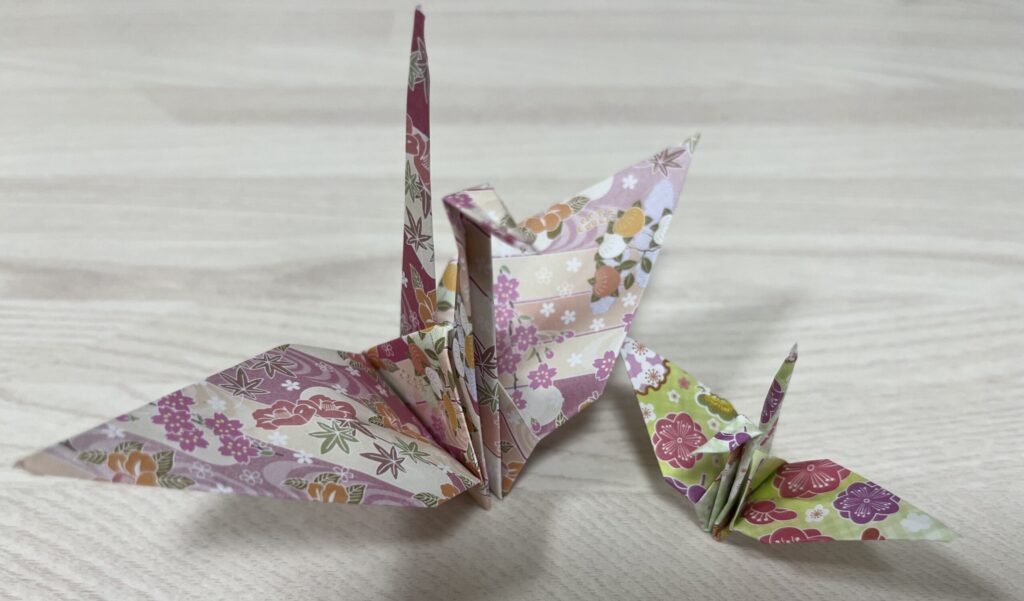
In recent years, origami workshops have become popular among visitors to Japan.
In Tokyo’s Asakusa, Kyoto’s Gion, and around Hiroshima’s Peace Memorial Park, English-friendly classes are held regularly. Participants watch the instructor’s hands and fold together; this hands-on style is widely praised.
The appeal lies in the fact that no words are needed. A shared action—folding—creates exchanges that cross nationality and age. In the quiet concentration of the room, completed pieces are shown, smiles spread, applause rises. The scene reflects origami’s essence: sharing stillness.
Beyond major cities, papermaking regions such as Mino in Gifu and Echizen in Fukui offer programs that combine papermaking with folding. Folding paper you made yourself deepens respect for the material and lets you feel the spirit of craft.
These experiences serve not only tourism but also cultural education. The focus, achievement, and quiet gained through origami help busy modern people reclaim a margin of the heart.
Contemporary Origami — Where Technology and Art Converge
In the 21st century, origami keeps evolving beyond tradition.
With digital design tools and algorithms, computational origami is finding applications in architecture, medicine, and space engineering.
Architecture now experiments with movable façades and deployable pavilions based on origami structures. Designs for transport efficiency and disaster-relief tents also draw on origami’s “folding efficiency.”
In the art world, new challenges continue. Works folded from metal, fabric, leather, and other materials appear at international fairs and in museums. Even when the material changes, the spirit at the heart of folding does not.
The essence of origami remains the trinity of paper, hands, and heart.
What Origami Points to — A “Quiet Creativity” the World Can Learn
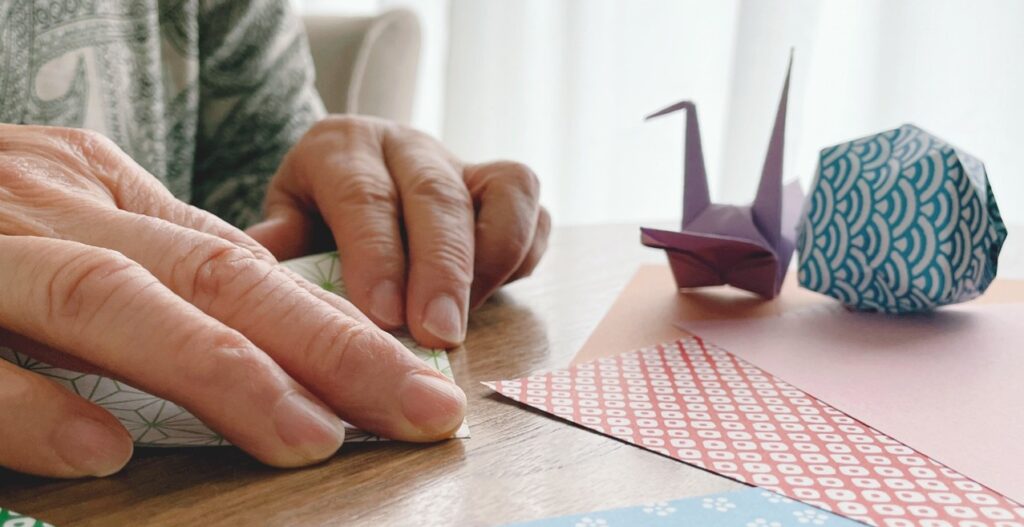
Amid accelerating AI and digitization, origami’s value is rising.
In a society that prizes speed and efficiency, origami restores the ability to think slowly and think with the hands.
Across Europe and North America, STEAM education that uses origami alongside STEM is spreading. Teachers use folding to teach angles and symmetry, bridging art and science.
In psychotherapy and mindfulness, the effects of origami are also being examined. Repeating simple motions settles the breath, deepens concentration, and steadies the mind—making origami a cultural meditation well suited to relieving modern stress.
Origami is a quiet revolution linking past tradition to future technology.
Conclusion: Human Wisdom Dwells in the Fold
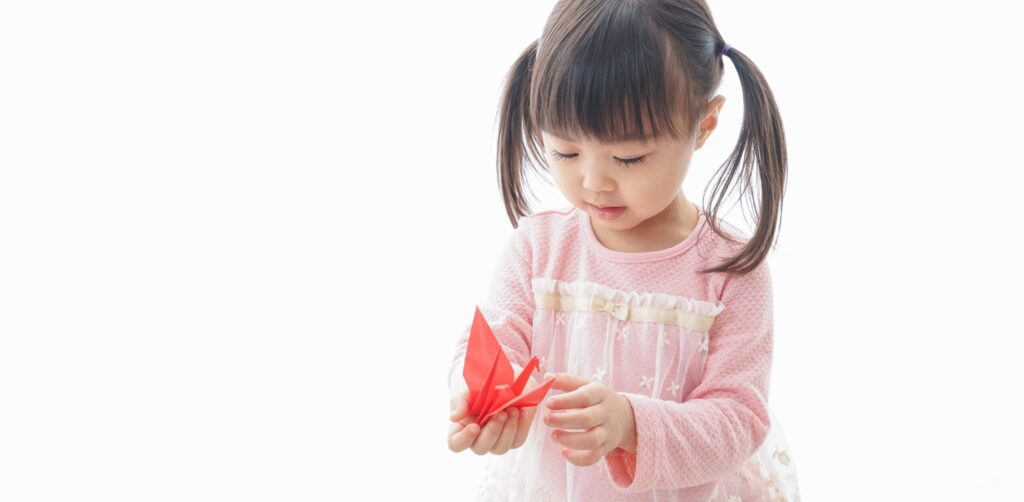
Origami is handiwork that forms shapes—and a way to steady the heart.
Each crease is proof of focus, patience, imagination, and kindness.
From a single sheet arise a crane that prays for peace, a tool for education, and structures that reach into space. Such flexibility of thought is a root of human creativity.
Origami is a culture that needs no words. When people across the world fold the same paper, empathy appears beyond religion and border.
Folding paper can be an act of folding the world into one.
Origami is the quietest and deepest creative journey—and that journey begins in your hands.
The Japanese version of this article is here.↓↓↓