- Introduction — When a Toilet Feels Like a Welcome
- Cleanliness as a Core Value — The Cultural Roots of Hygiene in Japan
- The Rise of the Washlet — How Japan Reinvented the Toilet
- Technology That Serves Humanity — Comfort with Compassion
- Public Toilets and Pride — Japan’s Hidden Standard of Hospitality
- Eco-Friendly Innovation — Sustainability in Every Flush
- Beyond Borders — When Japanese Toilets Went Global
- The Philosophy Behind the Flush — Harmony in Design
- Conclusion — What Japan’s Bathroom Culture Reveals
Introduction — When a Toilet Feels Like a Welcome
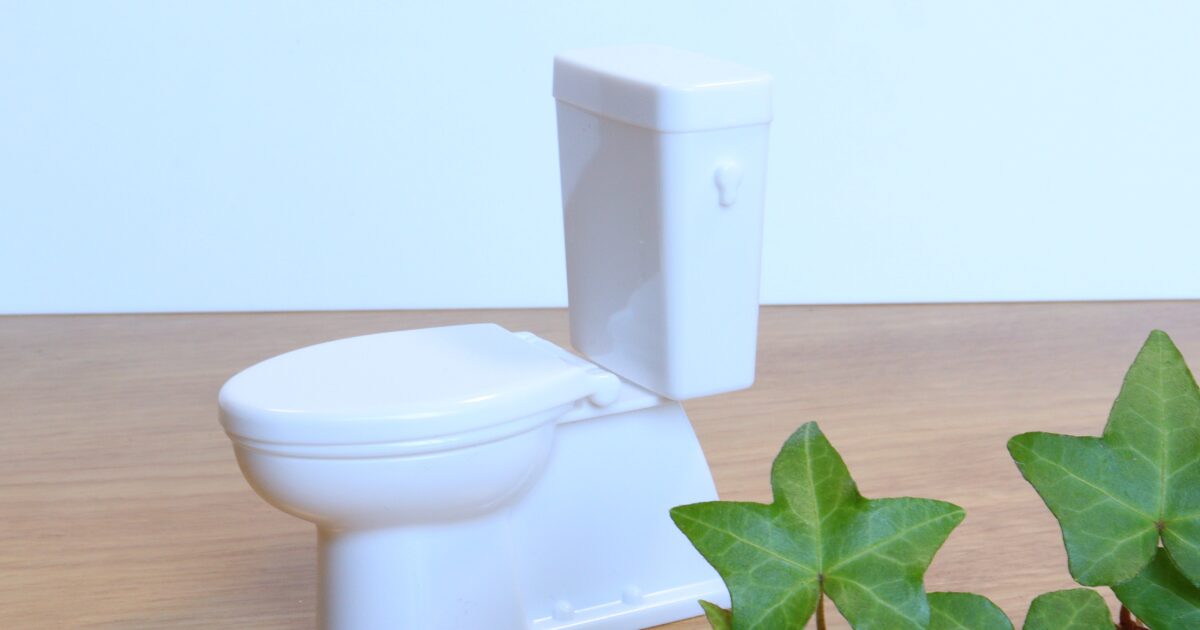
For many travelers, the first true “culture shock” in Japan doesn’t come from sushi or shrines — it happens in the restroom. Japanese toilets are unlike any in the world.
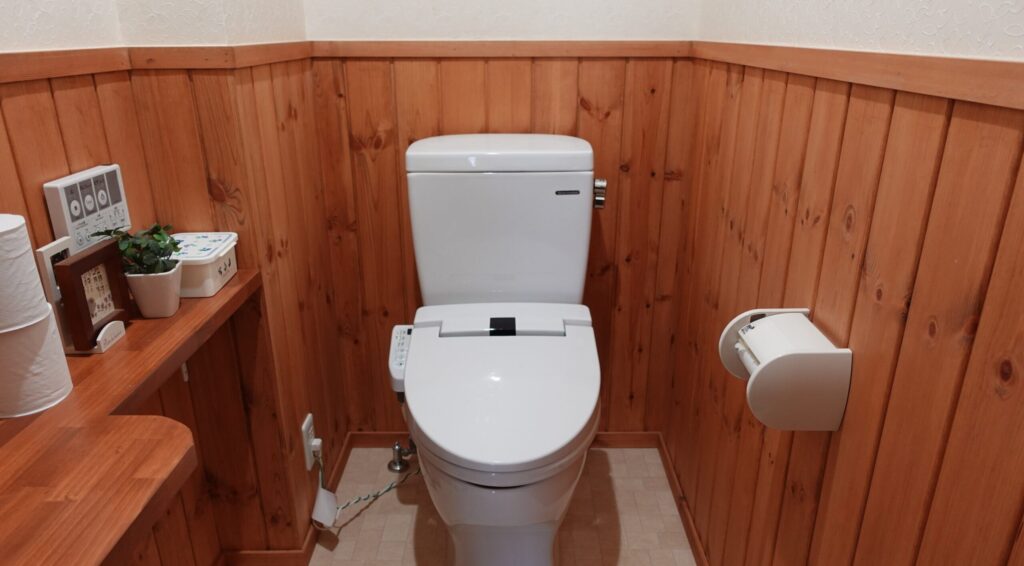
A toilet seat that lifts itself as you approach. Buttons labeled in polite English. Warm water, adjustable spray, gentle music, even a deodorizer that seems to anticipate your needs.
At first, they feel like devices from a science fiction film, but these advanced toilets represent much more — the harmony of Japanese technology, hygiene, and hospitality woven into daily life.
Cleanliness as a Core Value — The Cultural Roots of Hygiene in Japan
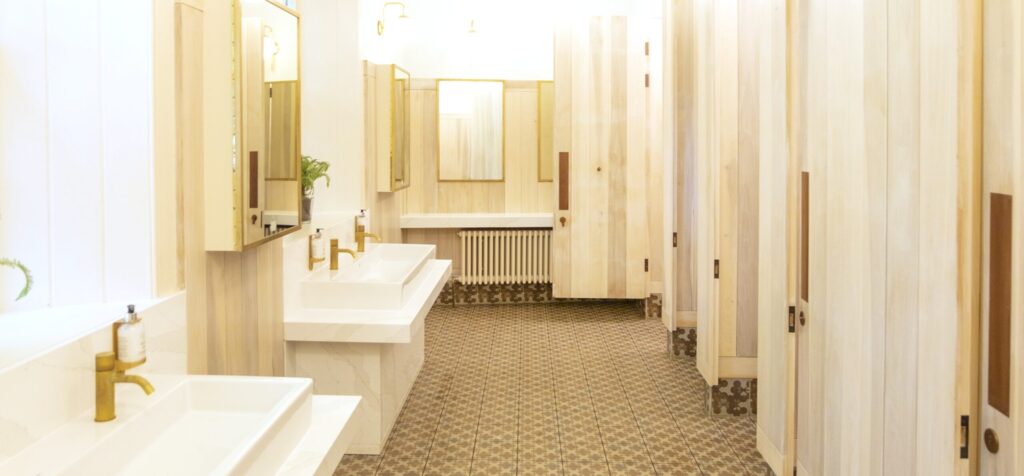
The foundation of Japan’s toilet culture is cleanliness, not luxury.
In Japan, the idea of purity runs far deeper than physical tidiness. Rooted in Shinto beliefs, cleanliness (清潔 seiketsu) is associated with moral virtue and spiritual well-being.
For centuries, purification rituals have been part of daily life — washing hands and mouth before entering shrines, removing shoes before entering homes, keeping streets and public spaces spotless. To be clean is to show respect: for the gods, for others, and for oneself.
This mindset naturally extended to restrooms. In many cultures, toilets are hidden away or neglected, yet in Japan they became spaces where public decency meets private comfort. Even small countryside stations maintain restrooms that are cleaned multiple times a day. Municipal workers and volunteers alike take pride in this invisible act of care.
In this context, the rise of advanced Japanese toilets was not about luxury — it was a technological continuation of a moral principle. When the TOTO Washlet appeared in 1980, its slogan said it all:
“We want to make the bathroom more comfortable and more hygienic.”
It was not about status or indulgence, but about improving everyday life for everyone.
The Rise of the Washlet — How Japan Reinvented the Toilet
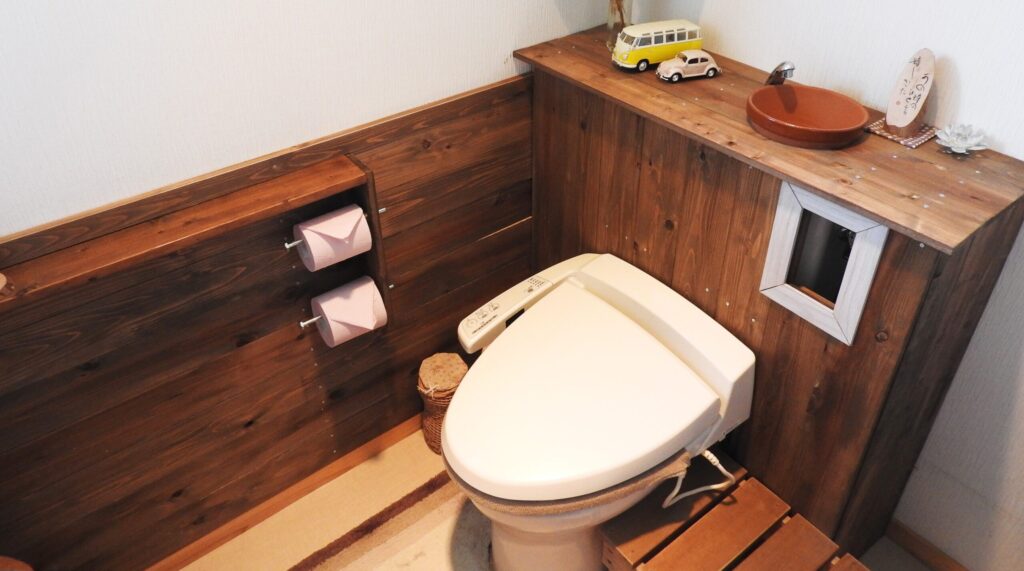
The story of the Washlet begins in Kitakyushu, where TOTO Ltd. was founded in 1917.
Japan in the early 20th century was rapidly modernizing, and TOTO’s founders dreamed of improving sanitation — an essential foundation for public health.
After World War II, Japan faced a sanitation crisis. The economy was recovering, urbanization was accelerating, and modern plumbing was becoming essential. By the 1970s, Western-style toilets began replacing traditional squat toilets, yet there was still a cultural emphasis on cleanliness and privacy.
TOTO engineers were inspired by medical bidets imported from the United States — functional but cold, industrial, and uncomfortable. They saw an opportunity to redesign the concept with Japanese sensitivity: soft water temperature, ergonomic design, quiet operation, and aesthetic simplicity.
In 1980, after years of development, the first “Washlet G Series” was introduced. It combined multiple functions — warm water spray, seat heater, automatic deodorizer, and later even air dryers.
At first, Japanese consumers were hesitant. A toilet with electricity? Too expensive! Too complicated! But gradually, word spread: “Once you use a Washlet, you can’t go back.”
By the 1990s, hotels and restaurants adopted it as a mark of refinement. In the 2000s, it became a symbol of modern Japan — as iconic as the bullet train.
By 2020, over 80% of households owned a Washlet or similar electronic bidet seat, and the name “Washlet” itself became a generic term, much like “Kleenex” or “Thermos.”
Competitors such as Panasonic, INAX, and LIXIL entered the race, creating ever more sophisticated systems — motion sensors, remote control panels, energy-saving modes, and eco-flush mechanisms.
Yet the philosophy remained the same: technology should serve humanity.
Technology That Serves Humanity — Comfort with Compassion
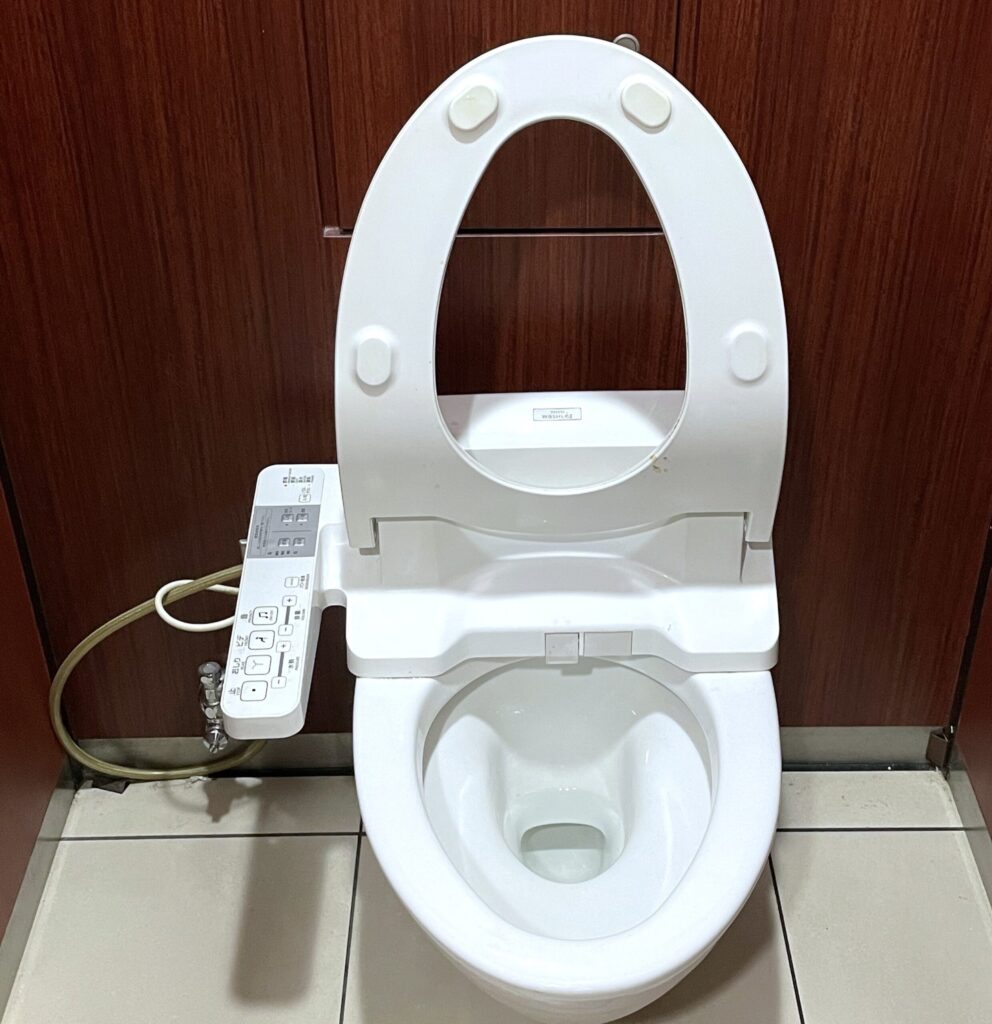
In the West, technology often emphasizes efficiency or novelty. In Japan, it often emphasizes empathy. The toilet is a prime example.
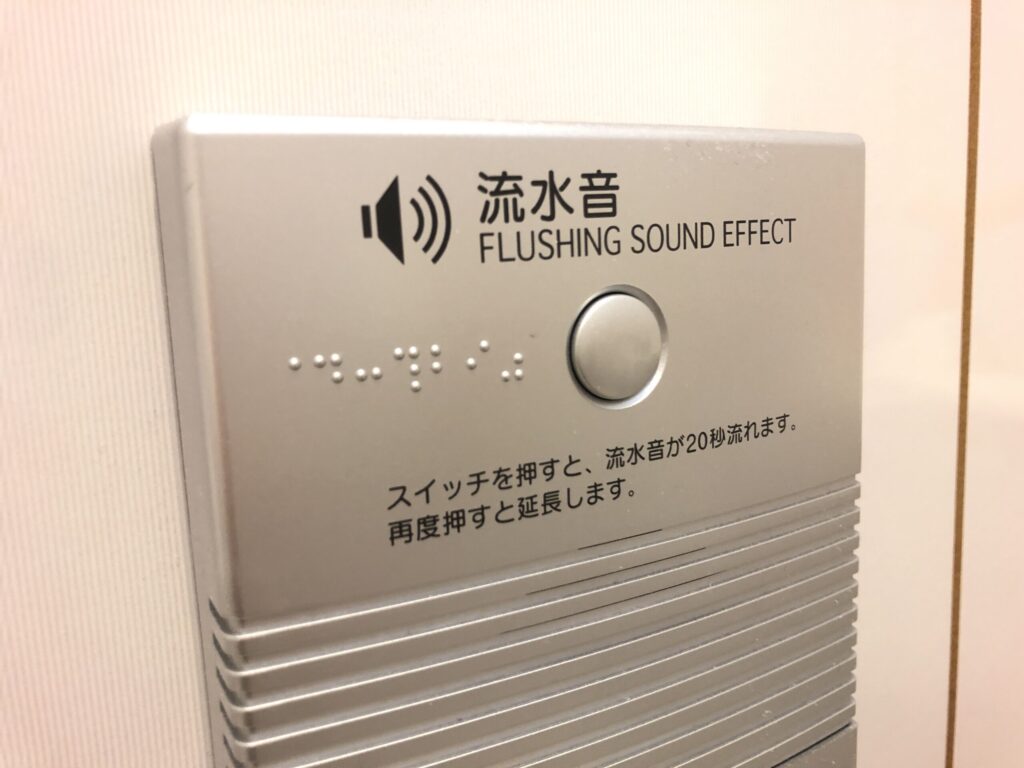
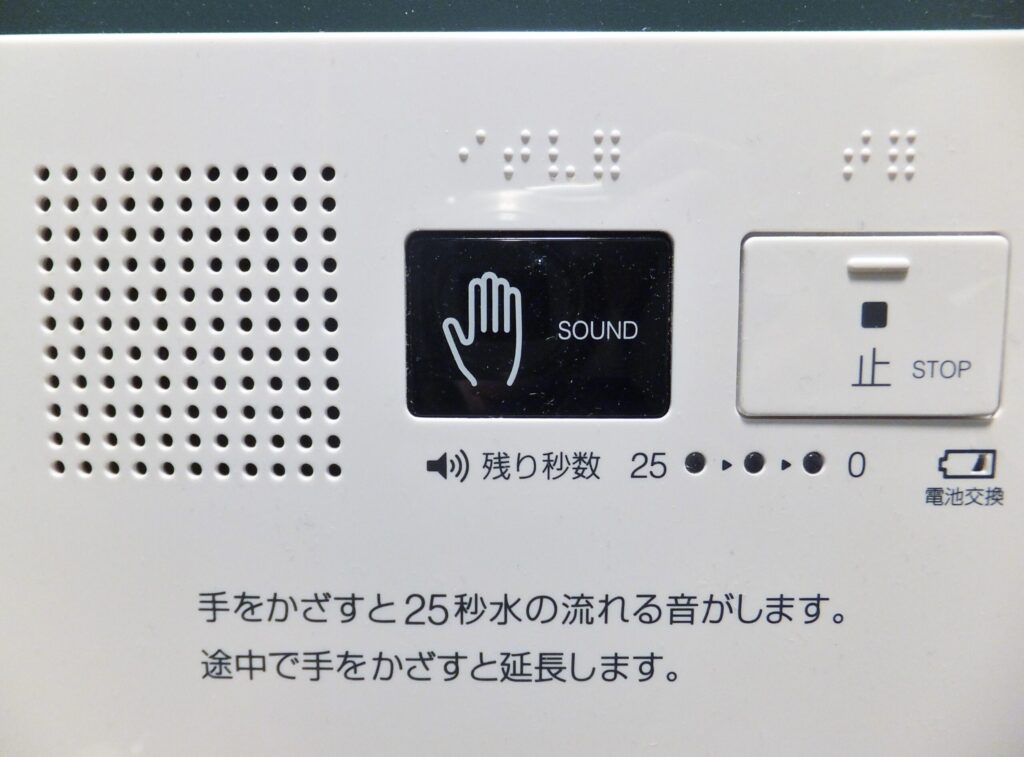
Every feature in a Japanese toilet, from heated seats to Otohime (literally “Sound Princess”), exists to protect comfort and dignity.
In the 1980s, as public toilets became more common in department stores and offices, women felt embarrassed by the sounds made inside the stalls. Flushing repeatedly to cover noise wasted enormous amounts of water.
TOTO engineers, listening carefully, designed a device that played a gentle flushing sound at the push of a button. It preserved privacy and saved water. The Otohime became a cultural phenomenon, and it remains a standard feature today.
The same spirit guides other functions:
– Warm seats to ease the shock of cold winters.
– Automatic lids to maintain hygiene without touching.
– Self-cleaning nozzles to reassure the user that everything is sanitary.
– Air purifiers to neutralize odors instead of masking them.
Even high-end toilets can now analyze urine and stool to detect hydration levels, sugar content, or early signs of illness — merging healthcare with daily habit.
These technologies may sound extravagant, but in Japan they express a simple value: to care for the body and the mind, discreetly and respectfully.
Public Toilets and Pride — Japan’s Hidden Standard of Hospitality
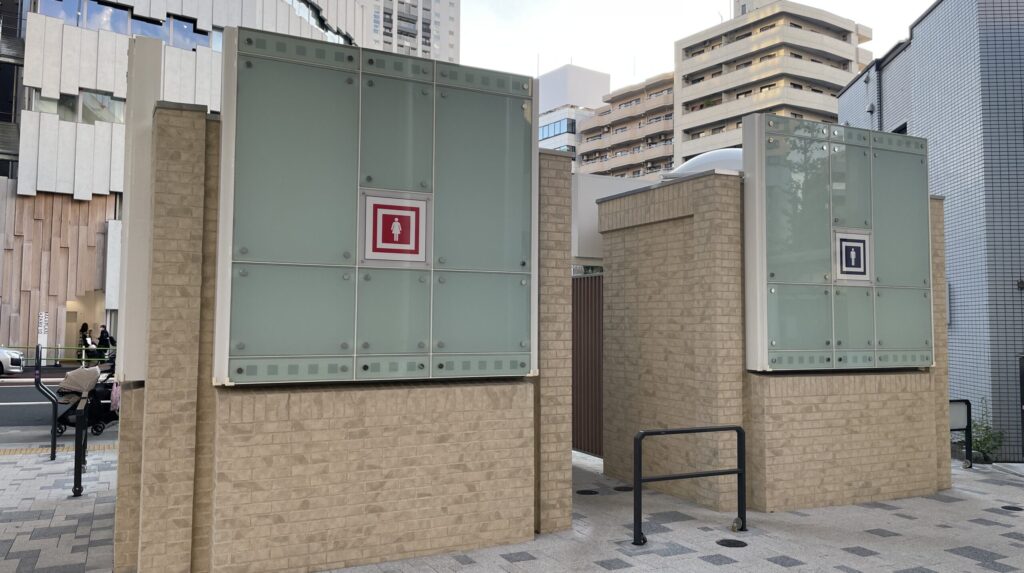
Japan’s pride in toilets extends far beyond private homes.
Visitors often marvel that even remote train stations or roadside rest stops have clean, well-equipped restrooms. This is no accident — it’s part of Japan’s belief in shared responsibility for public spaces.
Public toilets are treated as a measure of civilization. A clean restroom reflects an organized society. This belief fuels constant innovation. Baby seats, multipurpose stalls, accessible designs for wheelchairs and caregivers — all are standard in Japanese public facilities.
In 2020, a bold new movement began: the Tokyo Toilet Project, spearheaded by the Nippon Foundation and world-renowned architect Shigeru Ban.
The project aimed to transform 17 restrooms across Shibuya into works of art. Transparent glass walls that turn opaque when locked. Wooden pavilions surrounded by gardens. Minimalist pods with natural light and gentle curves.
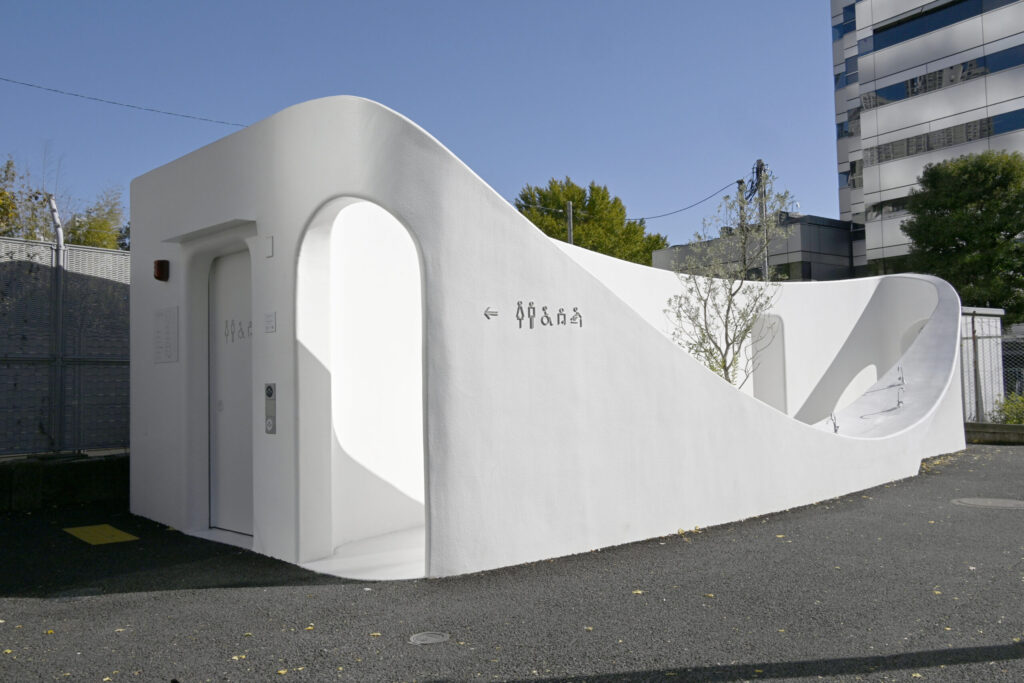
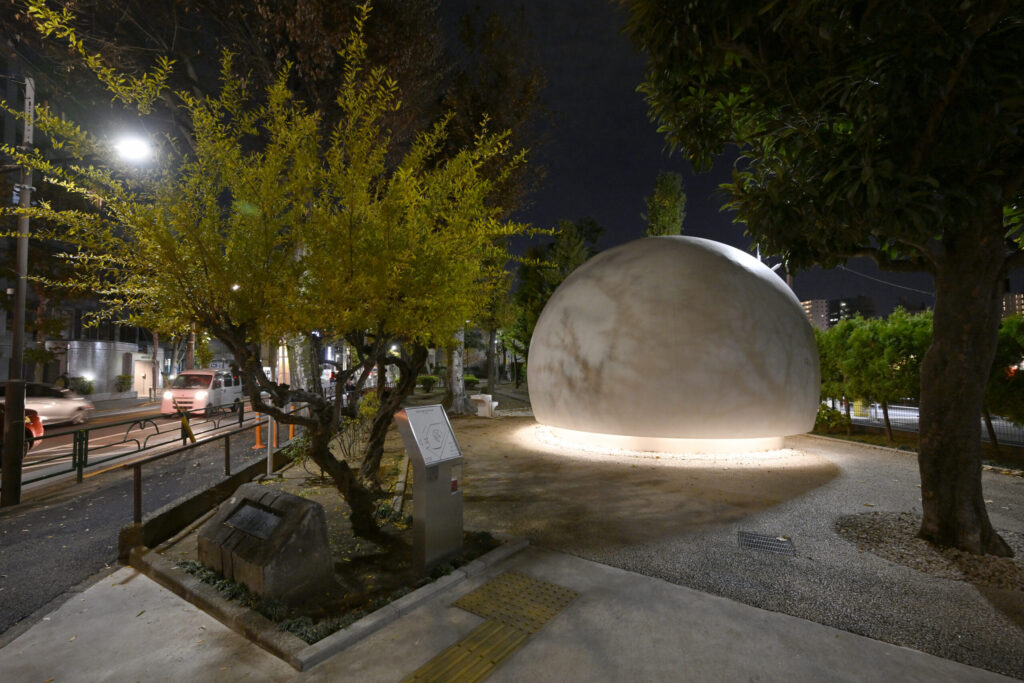
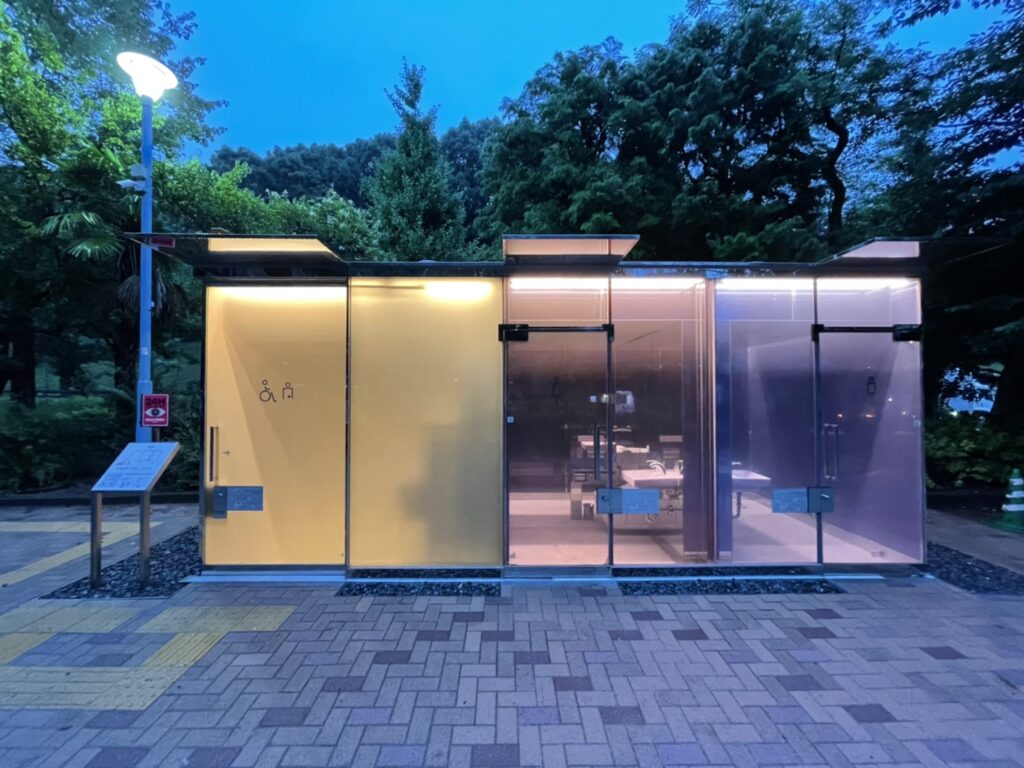
Each design expresses a universal truth: even the most private act deserves dignity.
Tourists visit these restrooms not out of necessity, but curiosity — to see how Japan reimagines the mundane as meaningful.
This public investment also connects to a larger concept known as omotenashi, the Japanese philosophy of hospitality. To provide a clean, safe, and comfortable restroom is not a service — it’s a moral gesture of care toward strangers.
Eco-Friendly Innovation — Sustainability in Every Flush
The story of Japanese toilets is also a story of environmental awareness.
Long before “eco” became a buzzword, Japanese engineers were designing systems to save water and reduce energy.
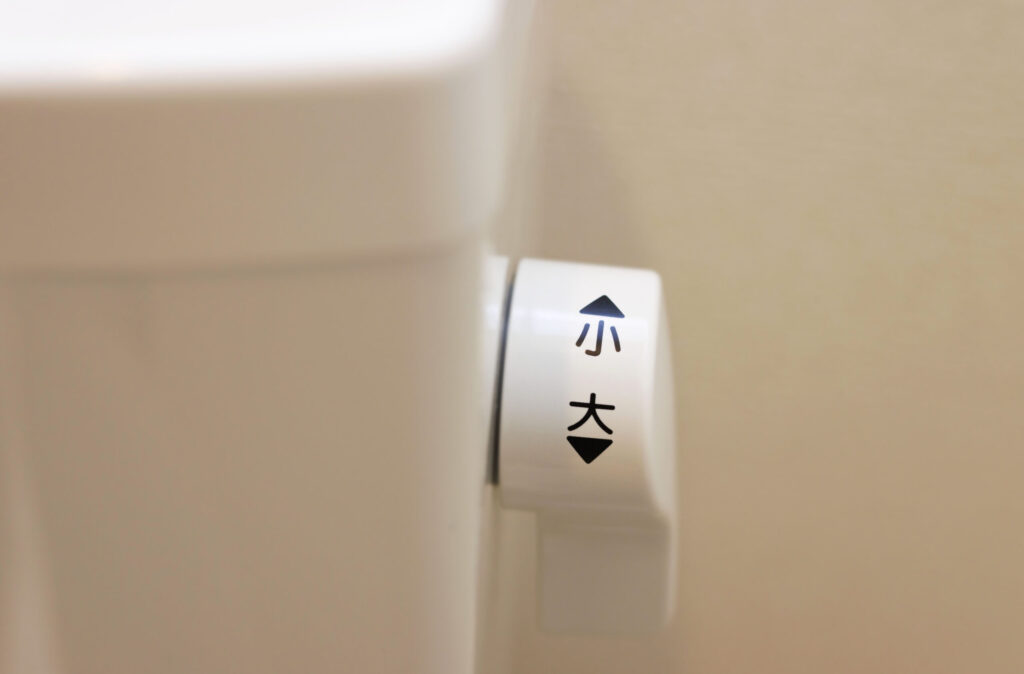
Modern TOTO Washlet models use as little as 3.8 liters per flush — less than half of what older Western toilets use. Dual-flush systems let users choose between small or large volumes of water.
Moreover, tankless toilets heat water instantly, reducing standby energy waste. Automatic sensors prevent unnecessary flushing, and many restrooms are equipped with solar panels or motion-activated lighting.
In some regions, treated graywater (from sinks and showers) is reused for toilet flushing — a quiet but significant step toward sustainability.
Japan’s approach turns the bathroom into a laboratory of environmental engineering, where small everyday actions contribute to the planet’s well-being.
Beyond Borders — When Japanese Toilets Went Global
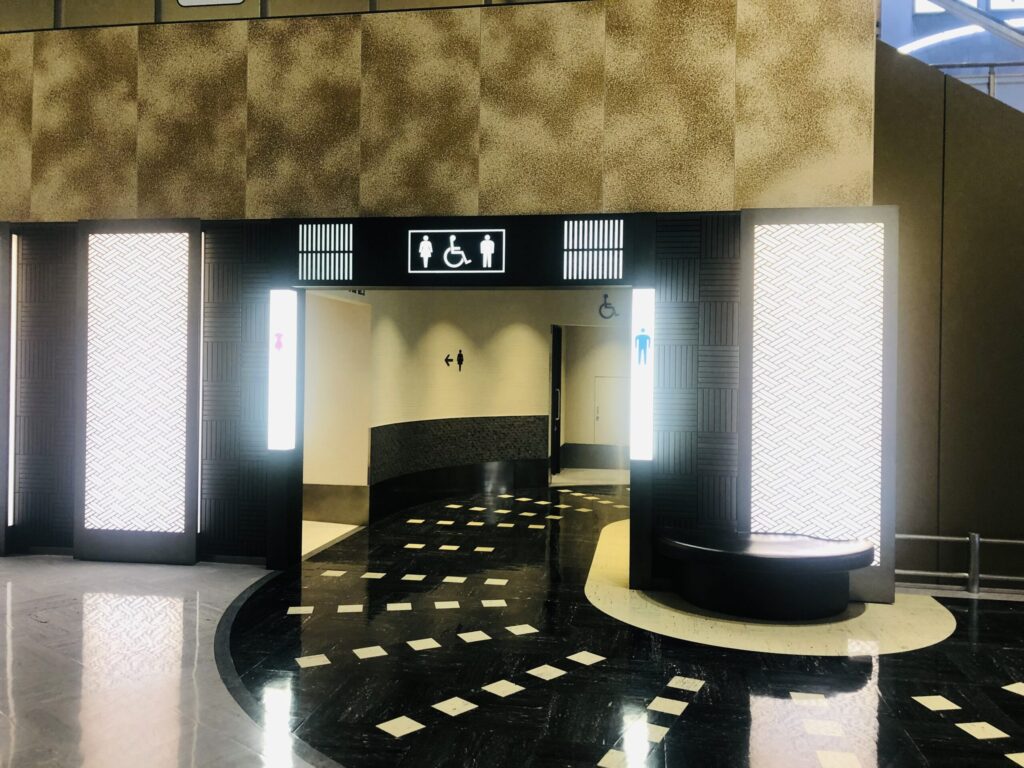
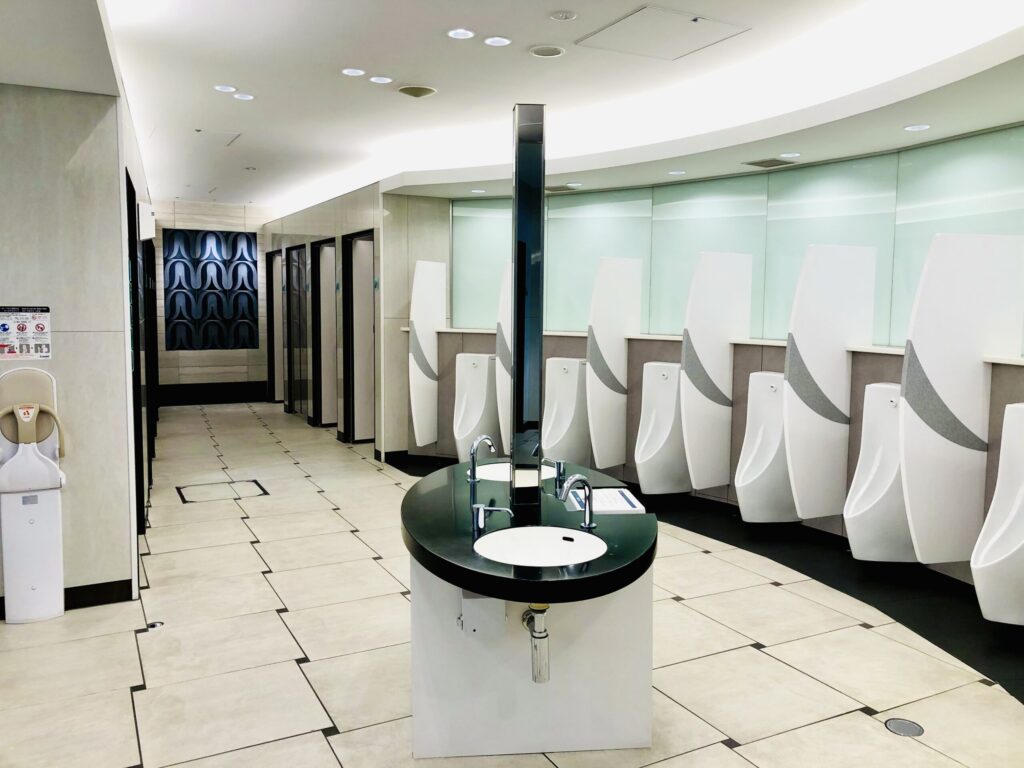
At first, foreign visitors viewed Japan’s toilets with amusement or confusion. So many buttons! So many symbols! But curiosity soon turned to admiration.
Luxury hotels in Europe and the U.S. began installing Washlets for their discerning guests. The 2020 Tokyo Olympics further accelerated the trend, showcasing the “toilet culture of Japan” as part of its national identity.
Today, TOTO exports to more than 100 countries. Airports from Singapore to Paris feature Japanese-style toilets. Even NASA has reportedly studied elements of Japanese toilet design for spacecraft sanitation systems.
Cultural perception is shifting: what was once seen as extravagant is now recognized as hygienic, sustainable, and human-centered design.
The Philosophy Behind the Flush — Harmony in Design
What makes Japanese toilet culture so distinctive isn’t just the technology — it’s the philosophy.
Every innovation reflects a blend of Buddhist mindfulness, Shinto purity, and modern empathy.
The bathroom, far from being taboo, is treated as a space for renewal — a small ritual of cleansing before rejoining the world.
To flush, to wash, to dry — these actions become meditations on respect and impermanence.
Even the language reflects this care. The polite sign “Please keep clean for the next person” (次の人のためにきれいに使いましょう) captures the essence of Japanese civility.
It’s not an order, but an invitation to participate in harmony.
Thus, Japan’s toilets are not merely advanced machines. They are expressions of a collective conscience, a reminder that true progress lies in the details of daily life.
Conclusion — What Japan’s Bathroom Culture Reveals
A toilet might seem like the most ordinary object in the world. Yet in Japan, it becomes something extraordinary — a stage where technology, culture, and compassion perform in perfect sync.
The Japanese toilet embodies a philosophy: that even the simplest human act deserves beauty, comfort, and respect. From the purity of Shinto to the precision of modern engineering, from transparent public restrooms to health-monitoring smart seats, Japan has turned the private act of sanitation into an art form.
To sit on a warm seat on a cold morning, to hear the gentle hum of Otohime, to know that everything has been cleaned before you — these are small moments, yet they reveal a grand truth:
In Japan, progress is not about luxury. It is about kindness made visible.
The Japanese version of this article is here.↓↓↓